
Show summary Hide summary
- What Big Mistakes is about and why it grabs attention
- Meet the family: who they are and what drives them
- How the show balances humor with uncomfortable truth
- The crime angle: a surprising engine for the story
- Dan Levy and Rachel Sennott’s gamble with tone and character
- How the actors sell the script
- Laurie Metcalf: what the show gives her and what she returns
- Strong moments, recurring risks and what to watch for
- Where Big Mistakes fits in the current TV landscape
- Details fans and newcomers may want to know
Netflix’s Big Mistakes throws viewers into chaos from the first beat: Laurie Metcalf’s character erupts into a furious tirade at a dying woman. That opening moment sets the tone — sharp, uncomfortable and often very funny — and signals this is not a sitcom about tidy family therapy sessions.
What Big Mistakes is about and why it grabs attention
The series, co-created by Dan Levy and Rachel Sennott, mixes small-town politics, family drama and crime. At its core is Linda, a forceful, opinionated mom running for mayor in a New Jersey borough.
Nas slams music industry over disrespect: teases new music, vows to address it
1992 vocal performances: 3 jaw-dropping moments that still amaze
Early scenes compress years of tension into brief exchanges, looks and interruptions. The show rarely needs long exposition; character history arrives in the way people interrupt each other at a kitchen table.
Meet the family: who they are and what drives them
- Linda — A hard-edged matriarch whose mayoral bid hides deeper desires.
- Nicky — The dutiful son, a pastor grappling with who he can be in public.
- Morgan — The daughter who left for acting, returned defeated and teaching school.
- Natalie — The polished youngest, positioned as the family favorite.
Relationships are frayed. Resentments stretch back decades. The show makes a deliberate choice not to smooth those edges early on.
How the show balances humor with uncomfortable truth
Big Mistakes leans on dark, incisive comedy. When family members are pushed into extreme situations, their bickering becomes sharper. The writers use cruelty and petty spite as comic fuel.
That tone will divide viewers. Those seeking the warm, mutual-support vibe of some modern comedies may find the series too acidic. Fans who prefer humor that cuts will likely relish the razor-sharp jabs.
The crime angle: a surprising engine for the story
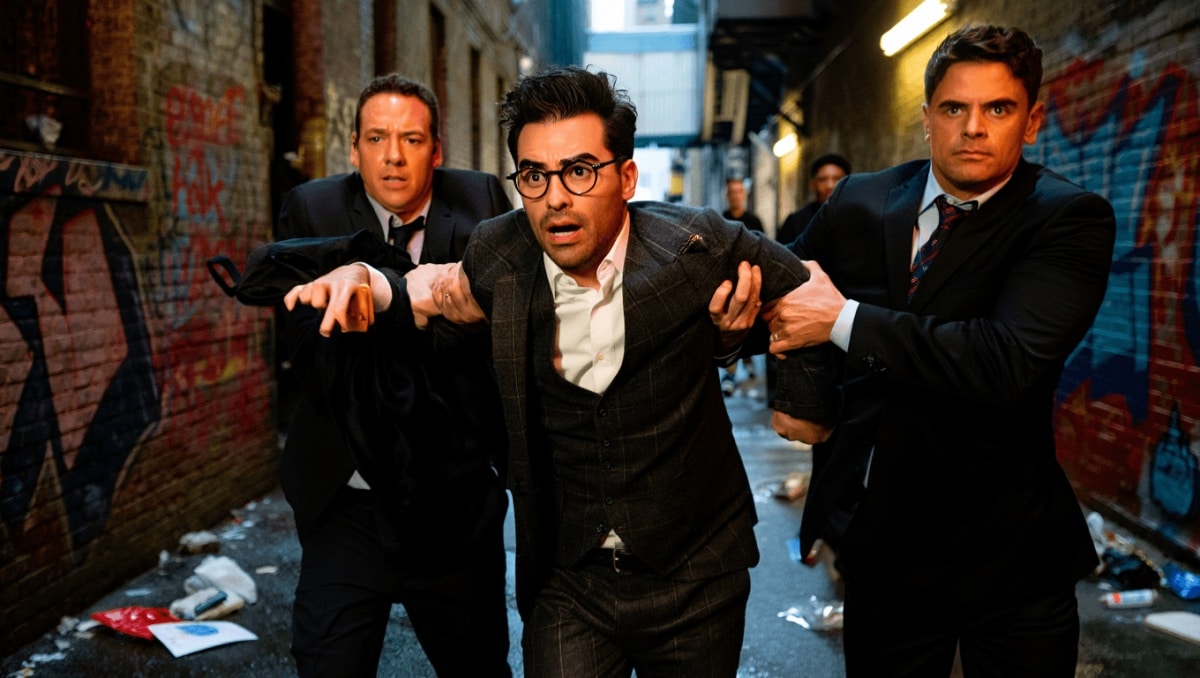
At an unexpected point, Nicky and Morgan tumble into the criminal underworld. The series treats this as both a plot device and a way to magnify familial fractures.
- Crime raises stakes quickly and keeps the pace brisk.
- It forces characters into moral corners and reveals latent personalities.
- It also offers moments of genuine danger that contrast with the show’s domestic nastiness.
Sometimes the move into crime feels like a perfect match. Other times it tilts the series into darker territory without softening rigid family dynamics.
Dan Levy and Rachel Sennott’s gamble with tone and character
Levy and Sennott have crafted a show that resists easy empathy. Their protagonists are flawed and often unlikable.
That is a conscious choice. The creative team seems to prefer complexity over comfort. They avoid quick redemption arcs and instead make emotional wounds matter.
There is a notable point of comparison to Levy’s earlier work. His previous series moved characters toward warmth and reconciliation. Big Mistakes deliberately refuses that template at first.
Why that matters
By preserving bitterness, the show forces repeated attention to accumulated slights. Kind gestures do not erase long memories. The narrative integrity of that choice pays off in several tense and funny scenes.
How the actors sell the script
The cast leans into the show’s uneven moral landscape. Performances are honest and specific.
- Dan Levy plays Nicky with polite exasperation and simmering secrets.
- Taylor Ortega brings a weary fragility to Morgan.
- Abby Quinn nails the golden-child sheen of Natalie.
- Laid-back supporting players punctuate scenes with awkward, comedic timing.
The actors make the family’s detonations feel lived-in. Their chemistry helps the script land even when tone skews dark.
Laurie Metcalf: what the show gives her and what she returns
Metcalf’s Linda is written to be loud and exacting, and the series trusts her to carry both the comedy and its emotional center.
The writers give Linda a clear objective: the mayoral campaign. That external ambition creates a sustained source of frustration and comic conflict.
Most of all, the show gives Metcalf scenes that let her inhabit an outer hardness and, occasionally, a softer interior. A later monologue explains a deeper motive for her political run. It adds weight to what might otherwise read as mere bravado.
Metcalf delivers consistently arresting work that finds its comic and tragic seams.
Strong moments, recurring risks and what to watch for
- Sharp, fast-opening scenes that demand attention.
- A tonal blend of black comedy and domestic drama that won’t please everyone.
- Characters who are allowed to remain bitter for longer than modern TV often permits.
- Plot shifts into crime that sometimes feel thrilling and other times abrupt.
There is a risk in centering the show on two siblings who spend much of their time fighting. The payoff depends on whether viewers find their nastiness comic or off-putting.
Where Big Mistakes fits in the current TV landscape
In a stream of shows that prize redemption and cozy resolutions, Big Mistakes is a sharper, less forgiving alternative. It blends political satire, family portraiture and crime caper.
For viewers who enjoy character studies with bite, it offers many rewards. For those seeking comfort television, its tone may sting.
Details fans and newcomers may want to know
- Platform: Netflix.
- Creators: Dan Levy and Rachel Sennott.
- Lead cast includes Laurie Metcalf, Dan Levy, Taylor Ortega and Abby Quinn.
- Genre: Dark comedy with crime and family drama elements.
The show trades the easy, restorative warmth of some ensemble comedies for punchier, sometimes cruel humor. It aims to make discomfort entertaining and often succeeds.










