
Show summary Hide summary
- Storyline and setup: a family saga across dangerous times
- Key characters and the actors who portray them
- Major themes: women, memory and the cost of power
- Visual style and tone: rich imagery with a dark edge
- Adaptation choices and production background
- What to expect episode-wise and when it airs
- Why this adaptation matters for modern viewers
The new Prime Video series The House of the Spirits brings Isabel Allende’s famed novel to life in Spanish, delivering a lush, often brutal family saga. Spanning decades and generations, the show blends magic realism with political upheaval and centers on the women who carry memory, resistance and survival.
Storyline and setup: a family saga across dangerous times
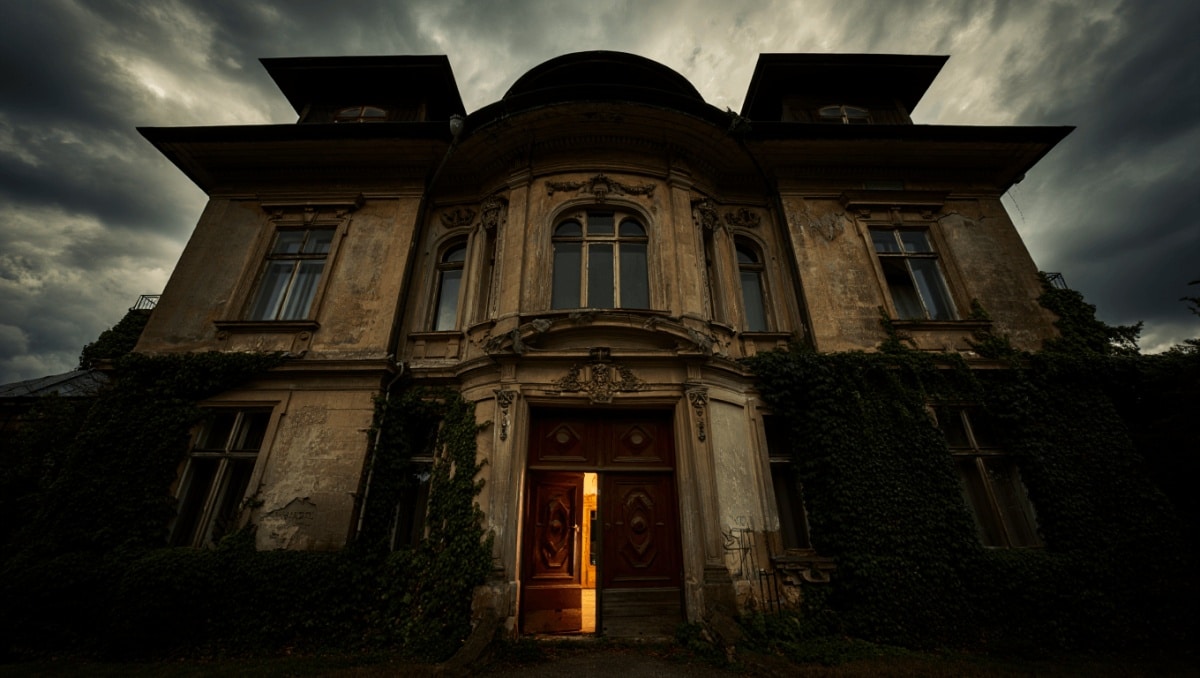
The narrative begins amid a violent coup in the 1970s. A young woman, wounded and haunted, returns to the ancestral home and discovers a trunk of journals. Those notebooks unlock the family’s past and trace how love, ambition and cruelty shaped three generations.
Nas slams music industry over disrespect: teases new music, vows to address it
1992 vocal performances: 3 jaw-dropping moments that still amaze
Through flashbacks, the series follows a girl with strange gifts, a forceful patriarch and the daughters who must find their own paths. The setting is a conservative South American country inspired by Chile. The plot charts domestic power struggles alongside national upheaval.
Key characters and the actors who portray them
The cast reinvents Allende’s figures with emotional depth. Performances turn mythic scenes into believable family drama.
- Clara del Valle — played at different ages, she is the calm, mystical center of the family.
- Esteban Trueba — the landowner whose rage reshapes lives and estates.
- Rosa — the lost love whose fate haunts the family.
- Blanca — the daughter who becomes a link between generations.
- Alba — the granddaughter whose discovery frames the series.
The ensemble balances tenderness and menace. Young and older portrayals are matched to show emotional continuity.
Major themes: women, memory and the cost of power
- Family loyalty and betrayal run through every episode.
- Women serve as cultural carriers in the household. They preserve stories and resist oppression.
- Patriarchal violence affects not only direct victims, but ripples across generations.
- Political turmoil mirrors private cruelty. Social change appears alongside personal grief.
The series insists that small decisions can have vast consequences. It portrays how greed, pride and vengeance expand beyond individuals.
Visual style and tone: rich imagery with a dark edge
The production embraces the novel’s magical realism while grounding it in gritty detail. Cinematography highlights the estate’s grandeur and the country’s unrest.
Scenes range from intimate family moments to bleak, violent episodes. The show does not flinch from hard material and includes difficult depictions of abuse and assault.
Viewers should be prepared for intense sequences that reflect the brutality of the era and the characters.
Adaptation choices and production background
This is the first Spanish-language screen version of Allende’s novel. The adaptation was written for TV and shaped for modern audiences.
- Adapted by a creative team led by Francisca Alegría, Fernanda Urrejola and Andrés Wood.
- Isabel Allende serves as an executive producer alongside Eva Longoria and Courtney Saladino.
- The series aims to correct earlier adaptations by centering Latin American voices and languages.
The result feels both faithful and refreshed. It leans into the novel’s mythic elements while giving weight to the political context.
What to expect episode-wise and when it airs
The first three episodes debut April 29 on Prime Video. New episodes follow weekly on Wednesdays until the run completes.
- Premiere: Episodes 1–3 available on April 29.
- Weekly drops: Remaining episodes released each Wednesday.
The eight-episode arc offers a compact but expansive retelling of the source material.
Why this adaptation matters for modern viewers
The show reframes a classic novel for today’s audiences. It highlights female agency and the long shadow of authoritarianism.
By foregrounding Latin American artistry and language, the series restores cultural authenticity. It also asks viewers to reckon with how trauma and love shape futures.










