
Show summary Hide summary
- How a simple hat pattern became a fundraising phenomenon
- From Pussyhats to “Melt the ICE”: the arc of craft-based protest
- Craft forms going viral: quilts, nails, shirts, and more
- The longer history: fabric as political communication
- Why makers are returning to tactile protest now
- Local focus changes the stakes of craftivism
- Arguments for and against craft-based protests
- Voices from makers and scholars
- Contemporary projects and what they’re making now
- How craftivism spreads online and in real life
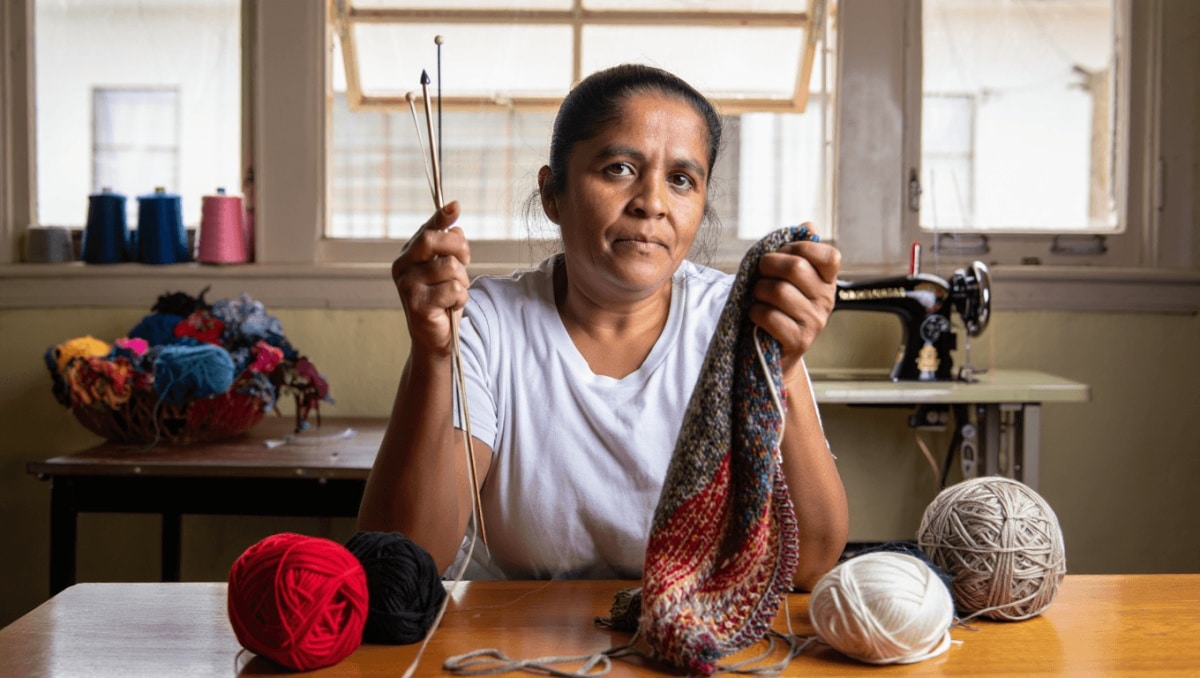
Knitting needles and sewing machines are quietly reappearing at the center of political conversation. What once felt like a niche, domestic form of protest has returned as a visible, viral response to new immigration policies and enforcement actions. Makers across the country are turning yarn, fabric, and even nail polish into messages of outrage, solidarity, and fundraising.
How a simple hat pattern became a fundraising phenomenon
When a Minneapolis yarn shop released a red hat design meant to protest ICE operations, no one expected it to explode online. The pattern was posted on a popular knitting platform for a small fee, with proceeds directed to immigrant-support organizations.
Nas slams music industry over disrespect: teases new music, vows to address it
1992 vocal performances: 3 jaw-dropping moments that still amaze
- The download cost was modest, yet the pattern spread rapidly.
- Buyers from dozens of countries purchased the file.
- The campaign raised hundreds of thousands of dollars for relief groups.
What started as a local response became global solidarity. Crafters asked for more patterns and organizers reported demand that outstripped their early estimates.
From Pussyhats to “Melt the ICE”: the arc of craft-based protest
Public crafting has shifted in meaning since the mid-2010s. A wave of pink knitted hats once symbolized a broad, visible feminist protest. The symbol later drew criticism for feeling exclusionary and for failing to center women of color.
Today’s needlework tends to be sharper in focus. Instead of a broad ideological banner, many contemporary pieces target specific agencies or policies. That precision changes how people receive and wear the work.
Craft forms going viral: quilts, nails, shirts, and more
Textiles are not the only medium staging a comeback. Visual protest appears across many everyday objects.
- Quilts with anti-enforcement messages at major quilting events.
- Nail art displaying explicit slogans shared on social media.
- Stickers, T-shirts, and bookmarks circulated among students.
These items travel beyond activist spaces and into classrooms, neighborhoods, and online communities. They help keep attention on urgent policy debates.
The longer history: fabric as political communication
Using handicrafts to signal political stance is not new. Colonial women produced homespun cloth to boycott British imports. Story quilts preserved narratives and resistance when literacy was restricted.
Artists and curators note that textile traditions have long served as both survival tools and political records. Quilts in the African American tradition carried memory and instruction across generations.
Examples of craftivist tactics
- Boycotts organized around domestic production.
- Narrative quilts used to teach and remember.
- Contemporary fundraising patterns shared online.
Why makers are returning to tactile protest now
Many crafters say the constant stream of upsetting news creates a need to act in tangible ways. Group-making sessions become measures against isolation.
Shared making builds community and channels anger into direct support, rather than remaining only online outrage. For many, knitting and sewing offer both emotional relief and practical assistance.
Local focus changes the stakes of craftivism
Recent craft-driven campaigns often fund local aid or respond to local enforcement actions. That makes them less abstract and more rooted in specific policy outcomes.
- Patterns sold to benefit local immigrant aid groups.
- Neighborhood sewing circles that distribute items to families.
- Quilting projects that memorialize local histories.
The emphasis on neighbors and nearby communities counters tactics that try to foster distrust among residents.
Arguments for and against craft-based protests
Critics call some craft actions performative, especially when creators skip paid fundraising steps. Supporters say the work is both symbolic and practical.
Making a hat or a quilt can be publicity and profit for relief efforts, but it also communicates grief, solidarity, and sustained attention.
Voices from makers and scholars
Yarn shop owners and curators describe a mix of motives: raising money, sustaining community, and preserving stories through material culture. Historians point out that protest textiles have long been part of political life.
- Makers describe craft circles as refuge and action.
- Historians tie current projects to older traditions of resistance.
- Artists use familiar domestic forms to tell difficult stories.
Contemporary projects and what they’re making now
Beyond hats, artists are creating quilts that archive civil rights histories. Others plan warm-weather protest gear for upcoming demonstrations.
Some makers embed blunt phrases into their work to insist on durability and persistence. These pieces function as memory aids and tools of agitation.
How craftivism spreads online and in real life
Patterns and images travel through specialized websites, social platforms, and community shops. A single downloadable pattern can reach global audiences.
On the ground, sewing bees, knitting circles, and quilt gatherings convert online interest into physical products and local aid.










