
Show summary Hide summary
- Where Kevin came from and who made it
- A shelter full of personalities
- How humor and heart coexist
- Local color and pop-culture satiric targets
- Standout episodes and recurring set pieces
- Guest stars, cameos and inventive wordplay
- Worldbuilding: rules for a talking-animal universe
- Visual style and musical choices
- Availability and episode format
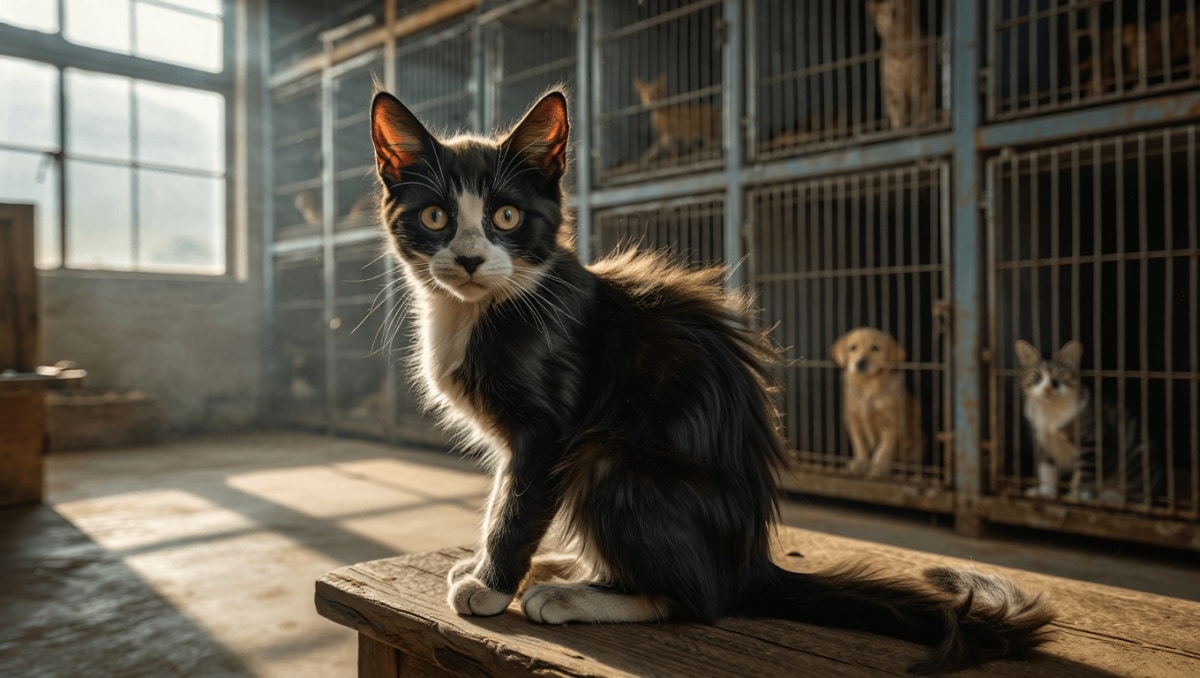
Kevin is an irreverent new animated comedy that follows a tuxedo cat navigating shelter life after his humans split up. Sharp, bawdy and often tender, the show blends adult humor with surprisingly sincere character moments. It arrives on Amazon Prime Video from creators who cut their teeth on boundary-pushing adult animation.
Where Kevin came from and who made it
The series is co-created by comedian and writer Joe Wengert and actor-producer Aubrey Plaza. Their team includes talent from Titmouse, the studio behind other edgy animated hits. Fans of adult animation will notice a familiar mix of crude jokes and heartfelt beats.
Nas slams music industry over disrespect: teases new music, vows to address it
1992 vocal performances: 3 jaw-dropping moments that still amaze
Jason Schwartzman voices the title cat and performs the catchy theme song. Plaza appears in multiple roles. The voice cast also features established names who lend eccentric flair to the shelter’s residents.
A shelter full of personalities
Kevin lives at Furrever Friends, an Astoria adoption center. The shelter is populated by an oddball ensemble that fuels much of the comedy.
- Kevin — a formerly pampered tuxedo cat figuring out independence.
- Cupcake — a feral cat who freeloads and speaks bluntly about sex and survival. Voiced by Whoopi Goldberg.
- Armando — a louche Persian cat played by John Waters. He serves as an outrageous role model.
- Brandi — a tiny, high-maintenance dog who runs the humans like an accessory. Amy Sedaris provides her diva energy.
- Judy — a sickly but upbeat cat who refuses to be defeated by illness, voiced with wry optimism.
- Seth — a mild-mannered human who’s under Brandi’s thumb and adds a human counterpoint to the animals’ chaos.
The cast mixes celebrity cameos with character actors. Each animal has a distinct voice and worldview.
How humor and heart coexist
Kevin leans into adult, often raunchy jokes without losing an emotional center. The show makes space for frank sexual humor and crude visual gags. At the same time, it explores identity, belonging and autonomy.
The balance of gross-out comedy and tenderness gives the series depth. Scenes that shock can flip quickly into moments of genuine warmth. That contrast is intentional and rooted in the creators’ experience with similar animation.
Local color and pop-culture satiric targets
Kevin is steeped in a New York atmosphere. The shield of specific neighborhoods and venues adds detail to many jokes.
- Astoria and Queens locations inform the show’s tone and references.
- Local bars, boutique dog trends and neighborhood rivalries appear as recurring jokes.
- Pop-culture riffs and theatrical in-jokes are frequent, often played for absurdity.
The writers sprinkle small, hyper-local beats alongside broader satire of celebrity and theater culture.
Standout episodes and recurring set pieces
The season hops between surreal set pieces and slice-of-life shelter drama.
- An episode reframes a noisy holiday through an animal’s terrified lens.
- Another sends the crew to a decaying estate owned by eccentric breeders.
- A plotline about a contagious kennel cough forces the shelter to confront danger and solidarity.
- Several installments parody theatrical feuds and celebrity vanity through animal stand-ins.
These varied premises allow the show to test tones, from absurdist parody to tender character beats.
Guest stars, cameos and inventive wordplay
Kevin’s roster of guest performers ranges from stage legends to indie musicians. Many play heightened versions of themselves. The show also invents playful names and puns that twist real-world references.
- Stage figures and actors appear in satirical roles linked to the shelter’s theater threads.
- Musicians and local personalities drop by to amplify the show’s eclectic energy.
- Running jokes play with NYC iconography and viral urban moments.
Worldbuilding: rules for a talking-animal universe
The series establishes loose rules for an anthropomorphic world where pets and humans converse. Some elements are purely comedic logic. Others are used to explore what a chosen life looks like off the leash.
Animals display human vices and virtues. They can be vile or surprisingly wise. The narrative explores whether independence means abandoning human ties, or forging a hybrid path.
Visual style and musical choices
The animation recalls the creators’ earlier work. Character design is exaggerated and expressive. Visual gags are often paired with sharp musical cues.
Jason Schwartzman’s theme sets a jaunty tone that echoes the show’s mix of irreverence and warmth. The soundtrack supports comedic timing and emotional beats.
Availability and episode format
All eight episodes of the first season are available to stream on Amazon Prime Video. Episodes vary in focus and mood, with a run that favors short, punchy storytelling and rapid tonal shifts.










