
Show summary Hide summary
- From one photograph to a global story: how Homebound began
- Keeping the project quiet — and why it mattered
- Festival acclaim and awards buzz that followed
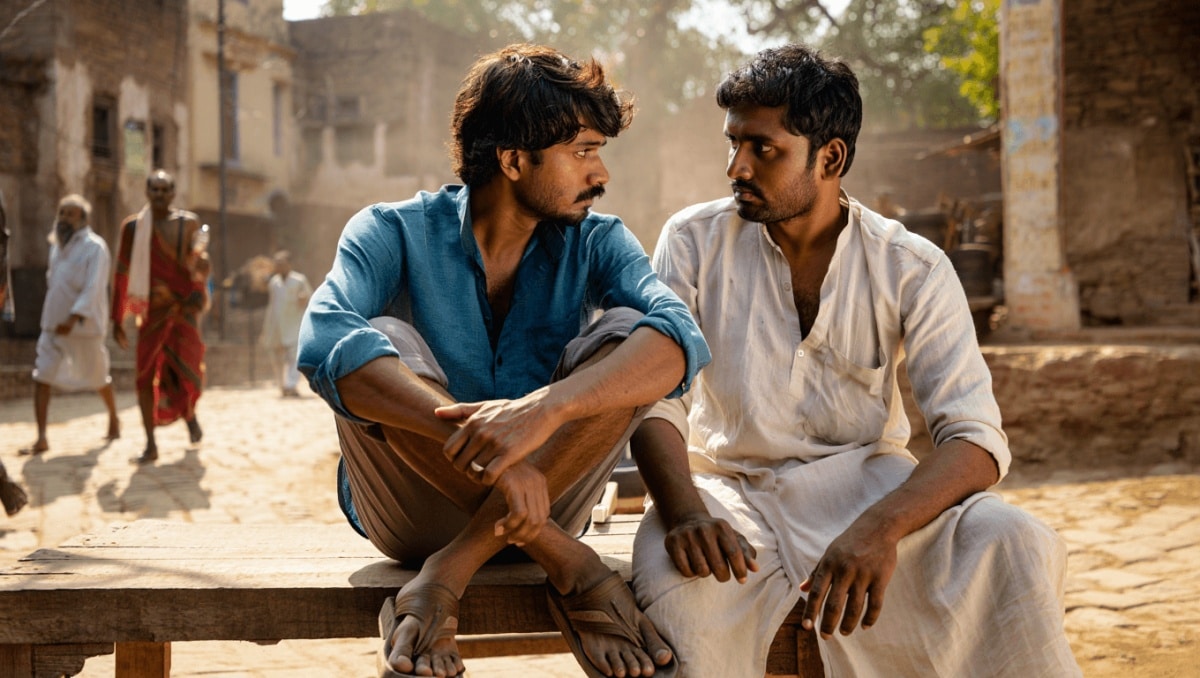
- The story behind the image: Mohammad Saiyub and Amrit Kumar
- Director Neeraj Ghaywan: a personal lens on caste and shame
- Editing, censorship and the battle over representation
- International backing and the Scorsese connection
- How the cast and story reached India’s selection committee
- Showing the film where it began: a village screening in Devari
- What the film aims to do: memory, dignity and public conversation
A hushed secret helped a small film cross continents: Martin Scorsese quietly supported a movie about two friends from a dusty Indian village. The director, Neeraj Ghaywan, kept the backing under wraps so his crew could work without interruption. What emerged is Homebound, a film that turned a single viral photograph into an international conversation about caste, faith and the migrant crisis during India’s COVID lockdown.
From one photograph to a global story: how Homebound began
The movie grew from a New York Times essay that traced the backstory of a striking image. The photograph shows a man cradling an ill friend on the roadside. It spread across social media and became a symbol.
Nas slams music industry over disrespect: teases new music, vows to address it
1992 vocal performances: 3 jaw-dropping moments that still amaze
- Two workers, two identities: the men were a Muslim and a Dalit—an intersection rarely shown with such intimacy.
- Migrant crisis context: when the lockdown stopped trains and buses, millions of daily-wage laborers attempted to walk home.
- Tragic outcome: one of the men in the photo died of heat-related exhaustion while trying to reach his village.
That single frame drew a writer and then a filmmaker into a story that mixed companionship and catastrophe. It revealed the human cost of a national shutdown and the fragile alliances between people from different communities.
Keeping the project quiet — and why it mattered
Ghaywan guarded the film’s production. He feared that early publicity could stir backlash in a political climate where religious and caste tensions are amplified. So the involvement of a global name was assigned a code name on set.
He later explained that silence was tactical. The goal was to let the film make its case on screen, not in headlines.
Festival acclaim and awards buzz that followed
Homebound went on to gather critical momentum. Festivals embraced it. Audiences gave unusually long standing ovations. The film also became India’s official submission for the foreign-language Oscar and advanced to the shortlist.
- Major festival reception included a prolonged standing ovation in Cannes.
- Selected by India for the Oscars, it reached the shortlist stage.
- Industry chatter noted the rarity of an Indian film with this subject making such a run.
Why the attention was surprising
Bollywood’s recent mainstream output often reflects dominant political narratives. A raw, human-centered movie that foregrounds marginal lives felt like an outlier. Producers who invested in Homebound took a symbolic risk in today’s film environment.
The story behind the image: Mohammad Saiyub and Amrit Kumar
The photograph captured two garment workers exhausted and desperate. They had paid for a truck ride home. Heat and illness overtook one of them. A driver afraid of contagion left the sick man behind. A passerby filmed the pair at the roadside.
Migrants had been walking thousands of miles. Economists estimate tens of millions tried to return to their villages when urban work vanished. Many died on the journey.
Mohammad Saiyub, who survived, later carried his friend’s body back to their village. He describes a bond that made abandonment impossible. He buried his friend and still speaks of shared blood and shared fate.
Director Neeraj Ghaywan: a personal lens on caste and shame
Ghaywan’s connection to the story ran deep. Born into a Dalit family, he spent years hiding that heritage. Those experiences of concealment and humiliation informed how he shaped the film’s central character.
He said he poured much of his own sense of shame into the role, aiming to humanize a life often reduced to statistics. That personal truth is a throughline in the film.
Industry views on the director’s choice
Some film curators called the project a small miracle. Backing a film that scrutinizes caste and religious tensions runs counter to the current mainstream. Yet the film found makers willing to take that leap.
Editing, censorship and the battle over representation
India’s film censors approved Homebound for domestic release, but not without changes. Regulators asked for edits that softened scenes showing discrimination by caste and faith.
Ghaywan maintains that the edits did not erase the film’s essence. Still, the process highlighted the tension between artistic truth and official comfort.
International backing and the Scorsese connection
The film’s global trajectory was helped by a high-profile ally. Scorsese served as an executive producer, though his involvement was initially discreet. That support amplified Homebound’s reach without altering its local sensibility.
How the cast and story reached India’s selection committee
Choosing Homebound as India’s Oscar entry surprised many observers. The selection stood in contrast to other recent choices that some critics felt favored safer narratives. The decision sparked debate about cinematic representation and national image.
Showing the film where it began: a village screening in Devari
After awards and festival attention, Ghaywan returned the film to the place that inspired it. He organized a screening in Devari, close to the lives of the men whose story informed the script.
Villagers gathered on porches and under tarps. Families of the two men were present. The moment carried a weight that festival applause could not match.
Family reactions that refused to be staged
Some relatives embraced the filmmaker. Others kept their distance. Kumar’s mother, who now works hard at construction sites to survive, declined to watch the film of her son’s last days.
When asked why, she said watching would not change her loss. The footage of her child on a screen felt distant from the daily reality of survival.
What the film aims to do: memory, dignity and public conversation
Homebound is not merely a recounting of events. It tries to restore dignity to people reduced to headlines. It centers a friendship that crossed caste and faith amid a national emergency.
For viewers and for the villagers who lived the story, the film is both mirror and messenger. It asks hard questions about who gets to be seen in public narratives.










