
Show summary Hide summary
- Exterior, fit and finish: almost unchanged
- Color choices and case issues
- Sound signature and listening impressions
- H2 chip: what it changes and what it doesn’t
- Noise cancellation: better, but not class-leading
- Battery life, ports and real-world use
- Software features that change the experience
- Price and competitive context
- Who benefits most from upgrading or buying
Apple’s latest over-ear model lands with a familiar face and a modest set of updates. The AirPods Max 2 keeps the look and comfort that made the original stand out, while quietly packing a new chip and software perks. If you’re trying to decide whether to buy, the differences matter — but not always in the ways you might expect.
Exterior, fit and finish: almost unchanged
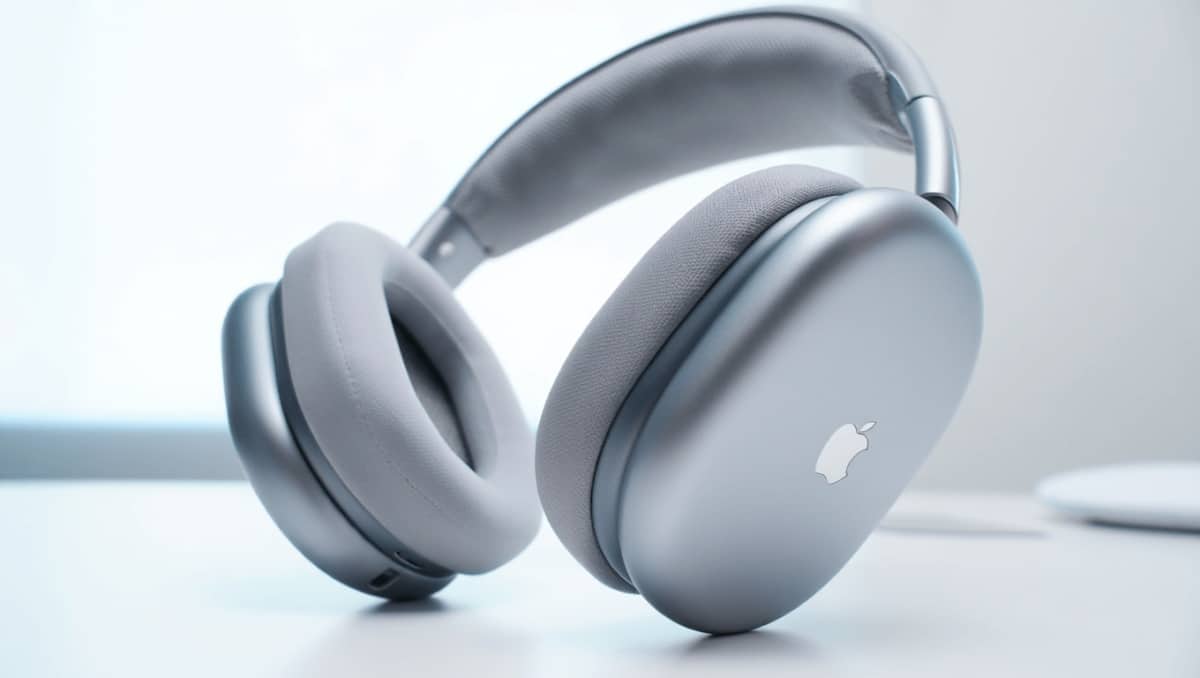
On first glance the AirPods Max 2 are indistinguishable from the original. The same aluminum cups, mesh headband and plush ear cushions remain. Apple kept the five color choices: Midnight, Starlight, Blue, Purple, and Orange.
Nas slams music industry over disrespect: teases new music, vows to address it
1992 vocal performances: 3 jaw-dropping moments that still amaze
Key points about the build:
- The frame, weight and dimensions are unchanged; they still tip the scale at about 386.2 grams.
- The physical controls and dial live on the right earcup with the same layout.
- The fold and storage behavior is identical, meaning earcups fold inward and can rub against each other.
Comfort is subjective. Many will praise the plush materials and secure fit. Others will note the bulk, especially compared with lighter rivals. Sony and Bose options beat Apple by roughly 130 grams.
Color choices and case issues
The Blue finish surprised me by leaning toward silver. It stands out on the head. If you want subtle, Midnight remains the safest bet.
Apple’s soft Smart Case returns unchanged. It protects little and still looks odd on a shelf. For frequent travelers, a sturdier third-party case is almost essential.
Sound signature and listening impressions
Apple preserved the general tuning: wide soundstage, clear highs and punchy lows, while mids sit slightly back. Overall, both generations deliver a polished, detailed listen.
Testing approach:
- Wired connection to a laptop via USB-C.
- High-res tracks from Apple Music used as references.
- Switched between the original and the new model for direct comparison.
Outcome: in controlled, lossless playback the two sounded essentially the same. Any differences were subtle and hard to distinguish blind.
Tip: on iPhone you can use Accessibility → Audio & Visual → Headphone Accommodations to brighten the profile and bring vocals forward. I prefer a balanced tone setting for more presence.
H2 chip: what it changes and what it doesn’t
The AirPods Max 2 adopts Apple’s H2 silicon. That chip unlocks new processing and software features rather than a wholesale overhaul of the acoustic hardware.
New or improved capabilities include:
- Enhanced noise cancellation compared with the original.
- Adaptive Audio that shifts ANC and transparency automatically.
- Conversation Awareness and Live Translation for clearer speech handling.
- Voice Isolation, Personalized Volume, Loud Sound Reduction, and deeper Siri integration.
These upgrades matter most when you use the headphones wirelessly and want smart behavior. If you mainly listen wired, the H2’s benefits are less obvious.
Noise cancellation: better, but not class-leading
Apple claims a measurable improvement in ANC. In home tests with steady and dynamic noises, the new model reduced intrusive sounds more effectively.
Still, context matters. Compared with earbuds like the AirPods Pro 3, the over-ear Max 2 does not eliminate ambient sound as dramatically. On a busy street the Pro 3 can make the world recede faster.
Practical takeaway: the Max 2 is better than the original at damping noise, but it isn’t the top performer in the market for sheer noise blocking.
Battery life, ports and real-world use
Battery specifications remain at about 20 hours with ANC enabled. In everyday use I saw comparable endurance to the prior model.
The USB-C era has arrived across Apple’s headphone lineup. If you upgraded from a Lightning-only pair, charging convenience improved in 2024. But the Max 2’s runtime and charging pace feel familiar.
Software features that change the experience
Beyond raw sound and ANC, the Max 2 leans on software to add value. Adaptive Audio and Conversation Awareness are helpful for commuters. Live Translation and Personalized Volume can shift how you interact with calls and media.
Notable behaviors:
- Adaptive Audio toggles modes automatically, so you don’t always need to touch controls.
- Conversation Awareness boosts external audio for short chats without removing the headphones.
- Voice Isolation improves call clarity by prioritizing speech over background noise.
Price and competitive context
The AirPods Max 2 remain priced at $549. That puts them above many comparable options from Sony, Bose, and Sennheiser.
You can buy headphones with different sound signatures or stronger ANC for less money. What Apple offers is a tighter integration with iPhones, iPads, and Macs plus a unique blend of features.
Who benefits most from upgrading or buying
Consider these use cases:
- If you own the first AirPods Max: the upgrades are modest. The H2 chip adds useful features, but swapping models yields few audible changes.
- If you use Apple devices heavily and want an over-ear option: the Max 2 is compelling for ecosystem convenience.
- If you value the strongest noise cancellation alone: look at alternatives or the AirPods Pro 3 earbuds with H2 silicon.
If integration with Apple services and features matters to you, the Max 2 may be worth the premium.










