
Show summary Hide summary
- Why Kendrick’s Pulitzer changed the game
- What made DAMN. stand out to jurors
- Immediate reactions from fans and peers
- How institutions responded to a new era
- The wider cultural ripple
- How DAMN.’s themes mirror larger social debates
- Accolades that framed the moment
- Voices that continue the conversation
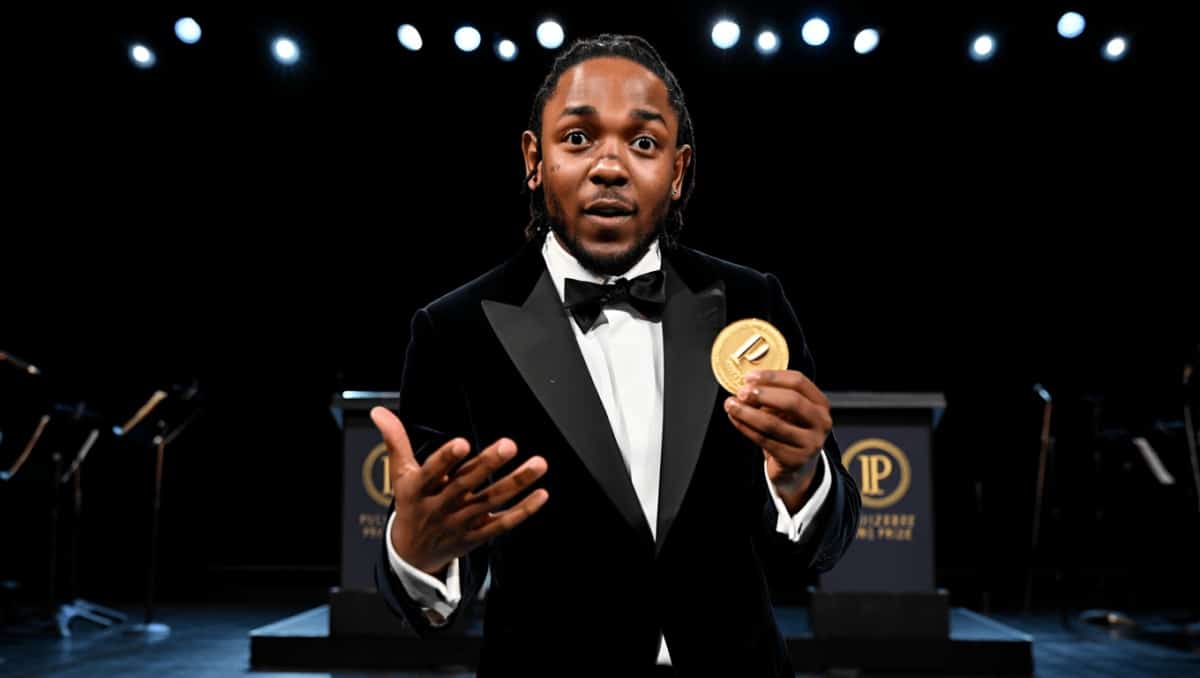
On April 16, 2018, Kendrick Lamar broke a barrier that reshaped how institutions view hip-hop. His album DAMN. earned the Pulitzer Prize for Music, a recognition previously reserved for genres like classical and jazz. The announcement sent shockwaves through popular culture and confirmed a shift in how serious critics and cultural gatekeepers evaluate rap.
Why Kendrick’s Pulitzer changed the game
The award marked the first time a rap artist received the Pulitzer Prize for Music. That single fact reframed hip-hop as a form of art that can meet long-held standards of compositional depth and social commentary.
Nas slams music industry over disrespect: teases new music, vows to address it
1992 vocal performances: 3 jaw-dropping moments that still amaze
- Genre recognition: The honor put hip-hop on the same institutional map as established musical forms.
- Artistic validation: Critics and academics began viewing rap albums as cohesive works worthy of scholarly attention.
- Public conversation: The moment sparked debates about what constitutes “serious” music.
What made DAMN. stand out to jurors
DAMN. combined raw storytelling with polished production. Its themes of identity, faith, violence, and survival resonated widely.
Musical and lyrical craft
- Layered arrangements and dynamic beats
- Complex rhyme schemes paired with clear narratives
- Emotional range from vulnerability to defiance
Immediate reactions from fans and peers
The announcement unleashed a mix of celebration and skepticism. Fans cheered. Some critics questioned whether awards bodies were catching up or simply chasing trends.
- Artists praised Kendrick for opening doors.
- Music writers debated institutional bias and cultural recognition.
- Listeners used the moment to revisit and reevaluate hip-hop’s canon.
How institutions responded to a new era
Museums, universities, and radio stations began treating rap archives and curriculums with fresh attention.
- Universities added courses on contemporary hip-hop analysis.
- Museums expanded exhibits to include hip-hop artifacts.
- Institutions started inviting artists to speak on panels and residencies.
The wider cultural ripple
Kendrick’s win did more than add a trophy to a shelf. It shifted expectations for awards and critics.
- More awards shows faced pressure to broaden their definitions of excellence.
- Young artists saw a pathway to high-art recognition through popular forms.
- Publishers and academics increased coverage of hip-hop as literature and history.
How DAMN.’s themes mirror larger social debates
The album addressed personal and civic struggle. That made it timely and provocative.
- Questions of morality and fate appeared across tracks.
- Reflections on community and trauma opened dialogues beyond music.
- The record’s honesty invited critics to reassess cultural hierarchies.
Accolades that framed the moment
Kendrick’s Pulitzer arrived on top of other honors. The album also performed strongly in sales and award circuits.
- Multiple Grammy nominations and wins reinforced mainstream success.
- Top chart positions helped bring the album to a wider audience.
- Critical lists named it among the year’s most influential releases.
Voices that continue the conversation
Writers, musicians, and cultural leaders still reference the 2018 decision when discussing art and recognition.
- Commentators cite the win as a turning point for genre legitimacy.
- Younger artists point to it as proof that bold work can reach institutional acclaim.
- Scholars use the moment to explore the evolving criteria of awards.










