
Show summary Hide summary
- Why Midwest Emo Feels Like a 2 AM Text
- Examples That Could Be Either
- How Titles and Texts Use Imagery
- The Cultural Backdrop: Why This Sound Connects
- When a Text Is a Cry for Help
- How to Respond Without Making It Worse
- Playlists and Mood: Use Music to Connect
- When Humor Helps: The Meme Side of Emo
- Tips for Curating a Comforting Response Playlist
- Understanding the Language of Late-Night Messages
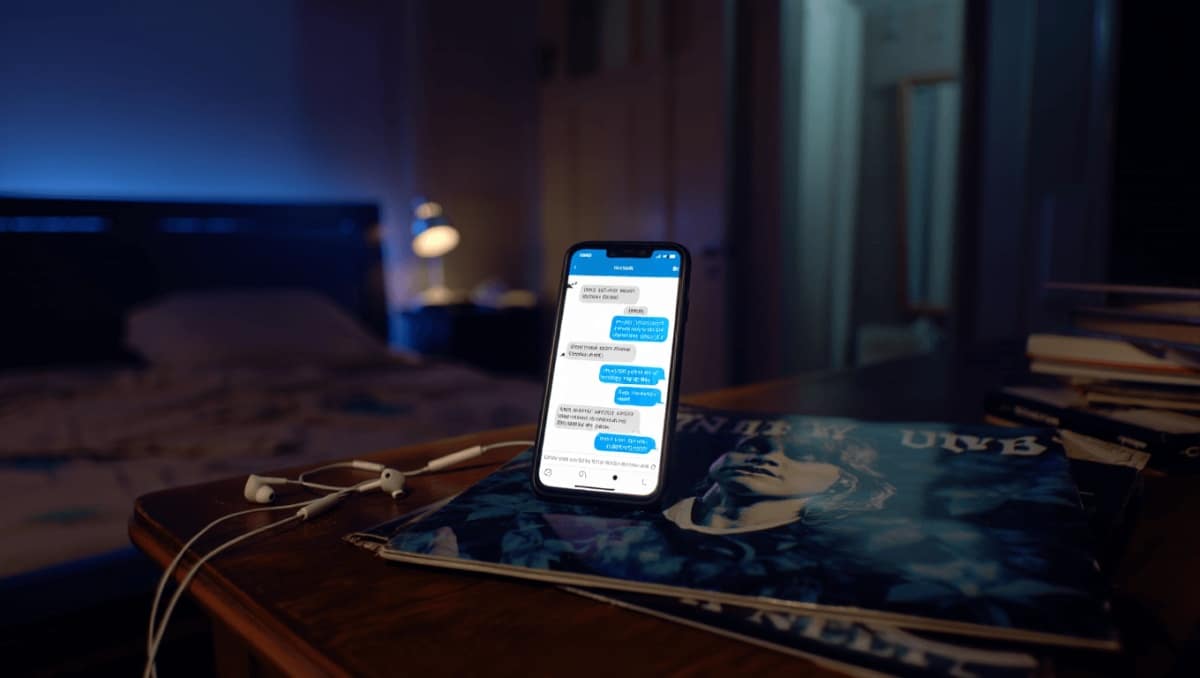
You know that feeling when a midnight text reads like it could be the title of a sad indie record? That blurry line between emo playlists and late-night messages is real. This piece explores why Midwest emo song names sound like messages from a lonely friend at 2 AM, and what that overlap says about music, mood, and modern friendship.
Why Midwest Emo Feels Like a 2 AM Text
Midwest emo emphasizes intimate detail and plainspoken confession. Lyrics often map ordinary life onto big feelings. That style makes song titles feel like direct messages.
Nas slams music industry over disrespect: teases new music, vows to address it
1992 vocal performances: 3 jaw-dropping moments that still amaze
- Subjects are small and specific: coffee stains, faded shirts, parked cars.
- Emotion is earnest, not theatrical. Vulnerability is the point.
- Short, striking phrasing mimics how people text when tired.
That mix of specificity and raw feeling is what makes a title read like a confession from a friend who can’t sleep.
Examples That Could Be Either
The line between a record label and a contact list gets fuzzy. Below are invented examples that capture the tone.
- “I Forgot Your Name, But I Remember Your Smile”
- “Leaving My Coat at Your Door Again”
- “The Streetlight Flickered Like an Apology”
- “I’ll Only Call When It’s Raining”
- “You Weren’t There, But I Stayed Anyway”
Each of these could be a track on a lo-fi album. They could also be a text sent at 2 AM with no clear request.
How Titles and Texts Use Imagery
Midwest emo song names act like tiny scenes. They set a mood with a few words. Late-night texts do the same.
- Both use concrete objects as emotional shorthand.
- Both rely on juxtaposition: mundane object, intense feeling.
- Ambiguity invites interpretation. Readers fill in missing context.
Concrete details plus emotional openness create resonance whether it’s a lyric or a message thread.
The Cultural Backdrop: Why This Sound Connects
Midwest emo grew from small cities and DIY shows. That background shaped its tone. Songs feel like conversations in basements and kitchen tables.
- Low-budget production emphasizes voice and guitar.
- Communities formed around honesty and shared struggle.
- The music welcomes confessions instead of grand statements.
Those scenes taught a generation to prioritize sincerity. The same ethos appears in late-night digital confessions.
When a Text Is a Cry for Help
Not every poetic message is harmless. Sometimes a midnight text is serious. Recognizing signals matters.
- Look for repeated hopeless phrases or sudden withdrawal.
- Note if they say they can’t do things they once could.
- Watch for hints about self-harm or isolation.
If you suspect danger, reach out directly and, if needed, contact emergency services or a crisis line in your area.
How to Respond Without Making It Worse
Replying with a meme might feel lighthearted. Sometimes that’s fine. Other times, a thoughtful short reply helps more.
- Validate feelings: “That sounds really hard.”
- Avoid minimizing: don’t say “suck it up” or “same.”
- Offer concrete options: “Want to call?” or “Can I come over?”
- Set boundaries if you need them, but stay compassionate.
Small gestures can stabilize a late-night spiral. They do not require drama—only presence.
Playlists and Mood: Use Music to Connect
Sharing songs bridges distance. A playlist can say “I’m here” without long texts.
- Create a late-night playlist with slow builds and honest lyrics.
- Include bands known for candid songwriting.
- Use song titles as conversation starters.
Music is both a mirror and a lifeline. It helps people feel less alone in the dark.
When Humor Helps: The Meme Side of Emo
Online culture turns these overlaps into jokes. That humor can be healthy if it doesn’t dismiss real pain.
- Midwest emo captions become late-night text parodies.
- Shared jokes create community and reduce stigma.
- Be mindful when a joke covers something serious.
Laughing together can heal, but it should not replace checking on someone who seems unwell.
Tips for Curating a Comforting Response Playlist
Want to help via music? Build a sequence that moves gently.
- Start with familiar, calming tracks.
- Include songs with honest but hopeful lyrics.
- End with something warm or slightly uplifting.
Share the playlist with a short note. Keep it low-pressure: “Thought you might like this.”
Understanding the Language of Late-Night Messages
People often use metaphor to avoid direct statements. Interpreting tone requires care.
- Ask clarifying questions when possible.
- Notice changes from someone’s usual voice.
- Prefer short check-ins over long analyses at 2 AM.
Curiosity and patience are better tools than judgment late at night.










