
Show summary Hide summary
- What Ludacris points to as the biggest shift in the music business
- How streaming and algorithms reshape careers
- Creative control versus algorithmic demands
- How veteran artists adapt to the new rules
- What the shift means for emerging talent and hip-hop
- Where conversations about fairness and creativity go from here
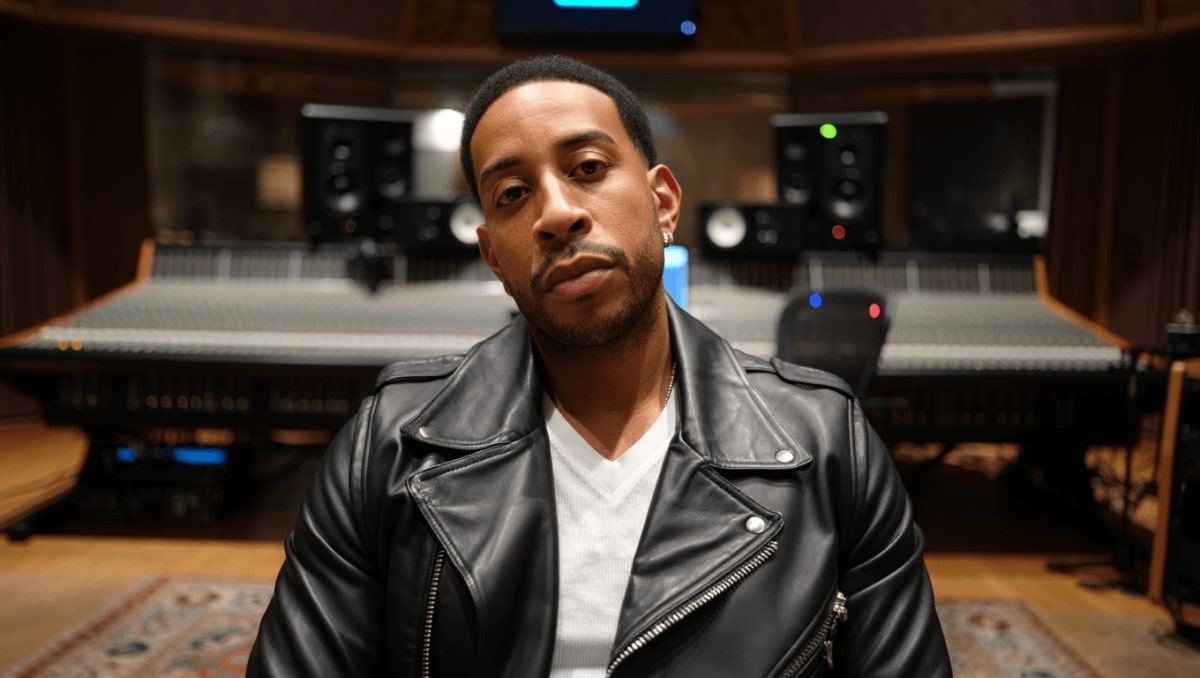
Chris “Ludacris” Bridges says the modern music business has changed in ways that test even established artists. He speaks plainly about what grinds his gears, from streaming math to the rush for hits. Fans and industry observers are listening as he weighs the trade-offs between artistry and the commercial engine that now drives hip-hop.
What Ludacris points to as the biggest shift in the music business
For Ludacris, the biggest change isn’t technology itself. It’s how the business rewards attention over craft. He sees a system that often values quick streams and viral moments more than albums and creative risk. That imbalance affects how records are made and marketed.
Nas slams music industry over disrespect: teases new music, vows to address it
1992 vocal performances: 3 jaw-dropping moments that still amaze
How streaming and algorithms reshape careers
- Revenue models: Streaming pays differently than album sales did. Per-play revenues compress earnings for many artists.
- Playlist pressure: Getting on a major playlist can launch a song. But this can push artists toward a narrower sound.
- Shorter attention spans: Singles dominate. Long-form projects get less room to breathe.
Why the math matters
When a system favors volume and repeat listens, artists and labels chase formats that boost metrics. That can mean more singles, more features, and fewer risks.
Creative control versus algorithmic demands
Ludacris has built a career on memorable hooks and bold choices. Yet he notes that data-driven decisions can crowd out intuition. Social media trends and streaming data often dictate release strategies now.
- Producers optimize for immediate impact.
- Labels push for songs that fit the moment.
- Artists must balance personal vision with platform demands.
How veteran artists adapt to the new rules
Established acts like Ludacris face a choice: adapt or resist. Some lean into social platforms and strategic collaborations. Others focus on touring, merchandising, and brands to diversify income.
- Using nostalgia and legacy to maintain relevance.
- Investing in own platforms and fan communities.
- Exploring film, TV, and entrepreneurship for steady revenue.
What the shift means for emerging talent and hip-hop
New artists can break quickly thanks to virality. But that speed can be a double-edged sword. Instant fame may not come with the infrastructure to sustain a career.
- Early visibility helps careers launch fast.
- Sustained development still matters for longevity.
- Mentorship from veterans can bridge the gap between buzz and career.
Industry players must rethink incentives if they want diverse voices and daring projects to thrive. Changes in contracts, royalties, and promotion could shift the balance back toward artistry.
Where conversations about fairness and creativity go from here
Artists, platforms, and labels are debating fixes. Some suggest clearer royalty rules. Others call for better support systems for creators. Ludacris’s critique adds weight to that debate.
For fans and fellow musicians, his message is clear: value matters as much as visibility. How the industry responds could determine which voices rise next.










