
Show summary Hide summary
- Why rhythm leads Grohl’s guitar choices
- Common techniques that define his sound
- Instruments and tone choices that match the approach
- How songwriting and arrangement reflect his guitar mindset
- Recognizing Grohl’s fingerprints in Foo Fighters tracks
- Why this approach feels so human and effective
- How to hear these elements in future listens
- Applying Grohl’s approach if you play guitar
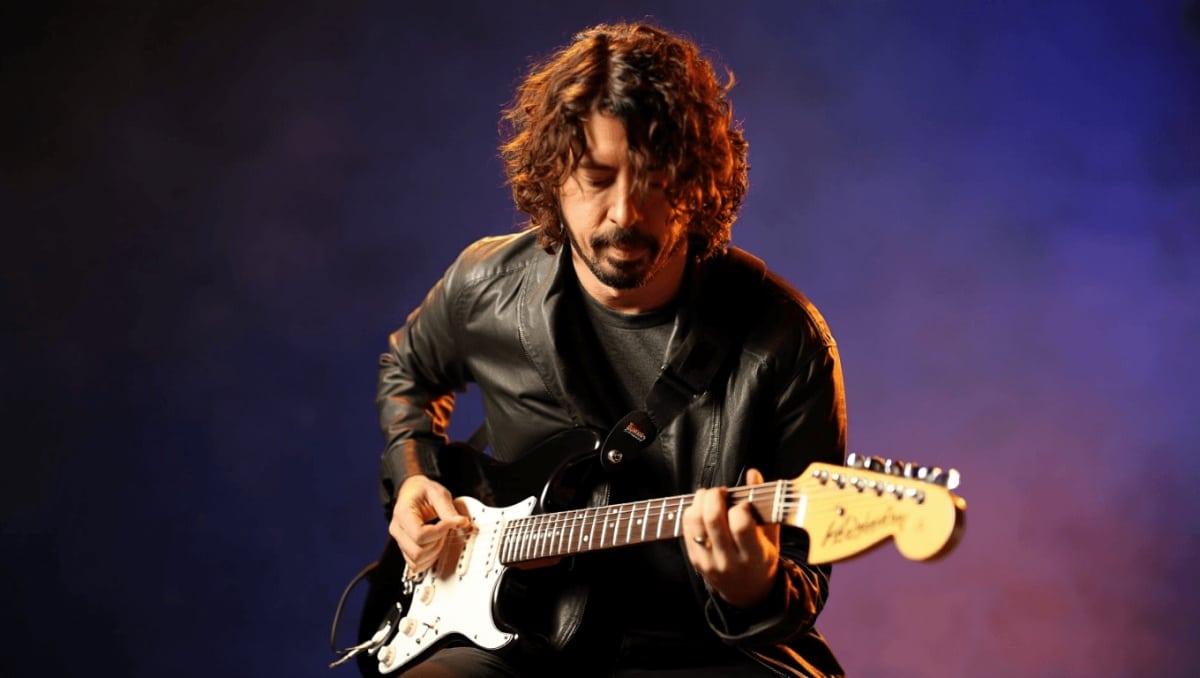
Dave Grohl’s guitar work sounds like the heartbeat of modern rock. Once you learn how he thinks about the instrument, his playing becomes impossible to ignore. That discovery reshapes every Foo Fighters riff and solo into a clear, repeatable method — equal parts rhythm, emotion, and economy.
Why rhythm leads Grohl’s guitar choices
Grohl began as a drummer. That background steers his guitar playing toward groove and pulse.
Nas slams music industry over disrespect: teases new music, vows to address it
1992 vocal performances: 3 jaw-dropping moments that still amaze
- Power in the downbeat: Many of his riffs land hard on beats one and three.
- He favors chord shapes and strumming patterns that lock with the kick drum.
- Dynamic shifts are used like fills — louder and tighter when the song needs urgency.
Common techniques that define his sound
Rhythmic attack and palm muting
Palm muting tightens the low end and creates a percussive attack. It keeps riffs punchy and clean, even with heavy distortion.
Simple, memorable chordal riffs
Grohl leans on broad, singable shapes. He rarely piles on complex voicings when a straightforward chord will do.
Melodic restraint in solos
Solos tend to sing, not show off. He chooses bends and phrases that serve the song.
Instruments and tone choices that match the approach
Grohl’s gear supports his methods. He picks guitars and amps that emphasize midrange and bite.
- Guitars with strong mid frequencies keep riffs present in a full mix.
- Tube amps and driven channels add harmonic richness without muddying chords.
- Simple pedal setups favor gain and delay over elaborate modulation.
How songwriting and arrangement reflect his guitar mindset
He often crafts songs from a rhythm-first demo. A drum groove or a simple click drives the initial structure.
- Riffs are treated like hooks and repeated strategically.
- Builds rely on layering: additional guitars, doubled parts, and vocal harmonies.
- Silence and space are used so loud parts hit harder.
Recognizing Grohl’s fingerprints in Foo Fighters tracks
Once familiar with the traits, certain patterns jump out in many songs.
- Short, aggressive riff phrases that repeat across sections.
- Use of open strings to thicken chord tones.
- Guitar parts that follow vocal rhythms, reinforcing the melody.
- Quick shifts between tight palm-muted verses and wide-open choruses.
Why this approach feels so human and effective
Grohl’s style balances precision and imperfection. He uses economy — a few angled choices — to create emotional impact.
- Clarity: Fewer moving parts make each note count.
- Drive: A drummer’s timing gives riffs natural propulsion.
- Accessibility: Hook-first guitar work invites singalongs.
How to hear these elements in future listens
Listen for patterns rather than isolated moments. Focus on how the guitar locks with rhythm and when it pulls back to let other elements breathe.
- Count the pulses during riffs and choruses.
- Notice repeated voicings across different songs.
- Pay attention to where the guitar drops out to make a chorus land harder.
Applying Grohl’s approach if you play guitar
Adopt a rhythm-first mindset and prioritize feel over flashy technique.
- Practice tight strumming with a metronome.
- Simplify solos to melodic phrases that support the song.
- Work on dynamics: soft when needed, powerful when necessary.










