
Show summary Hide summary
- Key terms of the tentative agreement and what they mean
- How the deal protects the WGA health fund
- Why both sides agreed early this cycle
- What the agreement may mean for AI, streaming pay, and staffing
- The ratification path: board votes, member briefings, and the final vote
- How this pact could influence SAG-AFTRA and the DGA talks
- Context from the last bargaining round and why it mattered
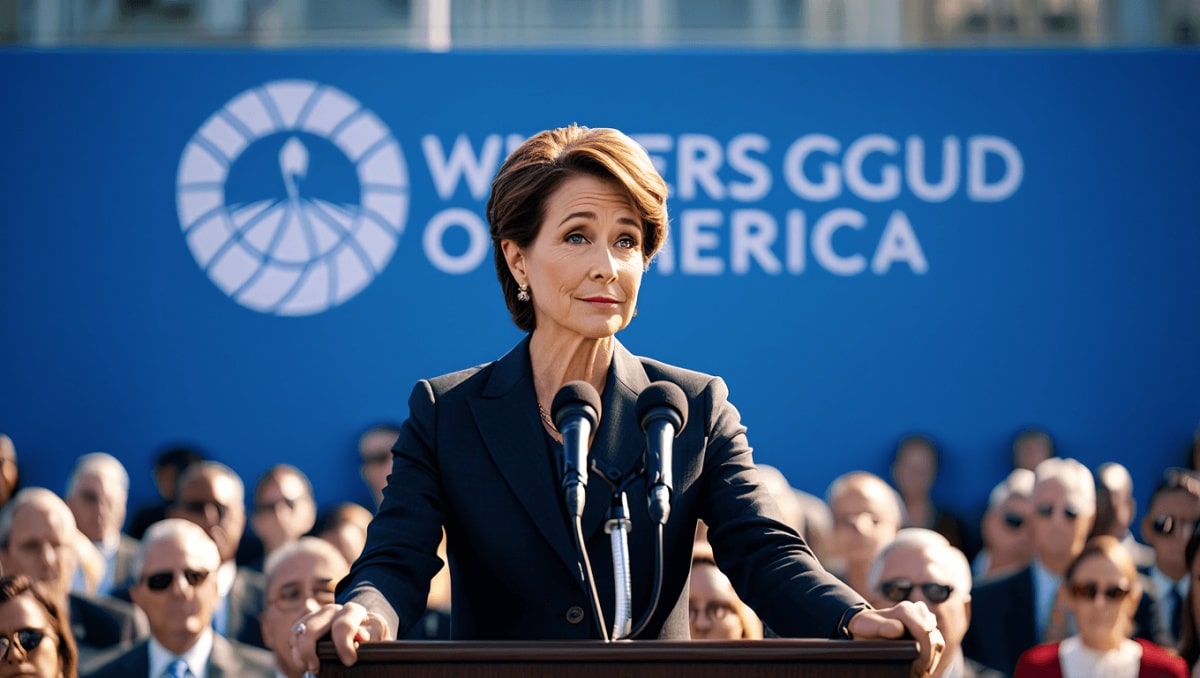
The Writers Guild of America and the studios have quietly reached a tentative deal, surprising the industry less than a month before the contract deadline. The pact extends the writers’ agreement longer than usual, promises support for the union’s strained health plan, and could reshape negotiations for actors and directors this summer.
Key terms of the tentative agreement and what they mean
The WGA negotiating committee says it has approved a tentative deal with the Alliance of Motion Picture and Television Producers. While full contract language is not yet public, the broad contours are clear.
Nas slams music industry over disrespect: teases new music, vows to address it
1992 vocal performances: 3 jaw-dropping moments that still amaze
- Four-year term: The agreement runs for four years instead of the usual three. That grants studios an extra year without a strike risk.
- Health plan support: The pact is reported to include significant company contributions to stabilize the WGA health fund.
- Builds on 2023 gains: The new deal is intended to preserve improvements from the last round, including streaming and staffing protections.
- Free work and AI issues: The committee indicated the agreement addresses unwanted free labor and tech-related concerns, although details remain sparse.
How the deal protects the WGA health fund
The WGA’s health plan has suffered heavy losses over recent years. Industry sources report the fund lost about $200 million in four years.
Negotiators prioritized restoring sustainability. The tentative pact reportedly raises employer contributions and lifts contribution caps in key areas.
- Increased company payments toward benefits
- Higher contribution caps to reduce shortfalls
- Measures aimed at making the plan solvent without drastic benefit cuts
Why both sides agreed early this cycle
There was little appetite on either side for a prolonged confrontation. The last contract fight led to a 148-day writers’ strike, which reshaped streaming pay and staffing rules.
Studio leaders want stability as the industry faces a global slowdown. WGA leaders also weighed the operational strain of another walkout.
- Studios gain another year of labor peace.
- Writers avoid the economic and logistical toll of a strike.
- The WGA West staff, separately on strike, added urgency to a peaceful resolution.
What the agreement may mean for AI, streaming pay, and staffing
The WGA entered negotiations with several priorities beyond benefits. Key items included streaming residuals, TV staffing minimums, and protections around artificial intelligence.
Negotiators said the tentative deal builds on prior achievements and tackles remaining concerns about unpaid work and AI training uses.
- Streaming: Continued focus on fair residuals for platform-delivered content.
- Staffing: Efforts to secure minimum staffing levels for writers rooms.
- AI: Steps to ensure writers are compensated if their material is used to train systems.
The ratification path: board votes, member briefings, and the final vote
Before it becomes binding, the agreement must clear a few internal hurdles within the WGA.
- The WGA board and the WGA East council will vote on whether to send the deal to the membership.
- If approved, a Memorandum of Agreement and a summary will be released to members.
- Members will be given dates and details for ratification voting and informational Zoom sessions.
The negotiating committee urged patience and said members will get opportunities to review terms before voting. The committee closed its update with a note of thanks and solidarity.
How this pact could influence SAG-AFTRA and the DGA talks
The studios still must reach agreements with SAG-AFTRA and the Directors Guild of America. Both unions face contract expirations at the end of June.
Because several issues overlap — health contributions, streaming formulas, AI rules — the WGA deal could become a blueprint for the other negotiations.
- If health and contribution terms succeed, studios may seek similar language with performers and directors.
- SAG-AFTRA and DGA leaders will watch whether the WGA terms protect benefits without triggering layoffs or cost-cutting.
Context from the last bargaining round and why it mattered
The 2023 writers’ strike won the guild major concessions on streaming and workplace staffing. That fight also raised expectations for protections around emerging technologies.
Negotiators this year aimed to preserve those gains while preventing the financial erosion of member benefits. The new tentative deal reflects that balance.










