
Show summary Hide summary
- What happened: headline slot dropped amid travel refusal
- Official responses and statements from organizers
- How UK border rules can affect festival bookings
- Impact on fans and ticket holders
- Industry reaction: promoters, artists, and venues respond
- Legal and logistical questions now under scrutiny
- What fans and future attendees should watch for
- Broader cultural and business implications
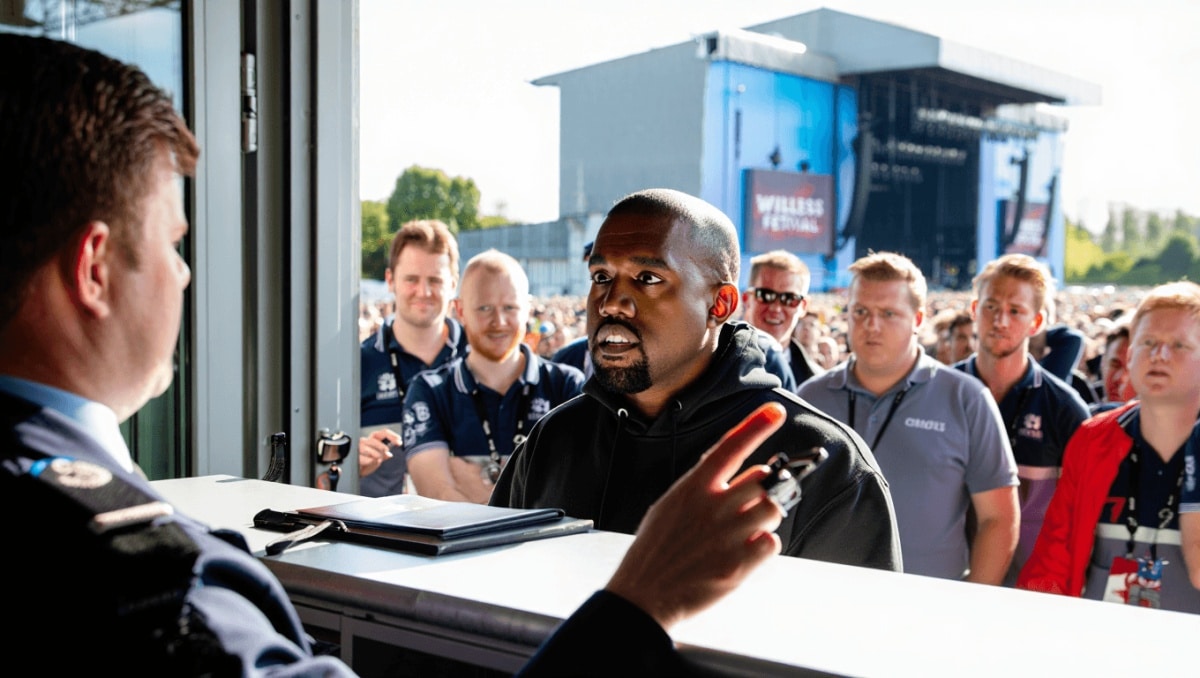
Organizers of the Wireless Festival announced a sudden cancellation of multiple shows after reports that Kanye West was prevented from traveling to the UK. The move has left fans scrambling for refunds and raised fresh questions about artist vetting, immigration rules and the ripple effects when a headline act is unable to perform.
What happened: headline slot dropped amid travel refusal
Wireless Festival confirmed it was canceling certain performances after its planned headliner did not arrive in the UK. Festival officials said the decision followed the artist being refused travel permission by UK authorities.
Nas slams music industry over disrespect: teases new music, vows to address it
1992 vocal performances: 3 jaw-dropping moments that still amaze
This development forced organizers to reshuffle the schedule and issue immediate public statements. Fans who expected to see the artist were told to await details on ticket options and refunds.
Official responses and statements from organizers
Promoters released brief statements emphasizing they had worked to resolve the issue but had to prioritize the festival’s overall safety and logistics.
- Organizers said they explored alternate routes and options for the artist to enter the country.
- They also highlighted contractual obligations to other performers and to the large crowds attending the event.
- Tickets and customer-service updates were promised through the festival’s official channels.
How UK border rules can affect festival bookings
Entry to the UK depends on immigration checks, visa status and the authority of border officials. High-profile cases often attract media attention because of the public interest.
Common reasons travel can be blocked
- Visa issues or incomplete paperwork.
- Previous legal or immigration history that flags concerns.
- Public safety or security considerations assessed by authorities.
Impact on fans and ticket holders
The cancellation has immediate implications for attendees. Many arrived believing the headliner would perform.
- Patrons have been advised to check emails and the festival website for refund procedures.
- Credit card refunds and third-party resale policies vary, so fans may need to contact vendors.
- Travel and accommodation costs are likely a concern. Organizers noted they cannot always reimburse third-party expenses.
Industry reaction: promoters, artists, and venues respond
Promoters and fellow artists expressed frustration and empathy. Scheduling and promotion for large events depend heavily on headline acts.
- Other performers often must adjust set times and technical setups at short notice.
- Venue staff and suppliers cope with changes to production and crowd management.
- Ticket-sale partners work to process refunds and customer queries quickly.
Legal and logistical questions now under scrutiny
Legal teams for festivals and artists may be examining contractual clauses related to travel, force majeure, and cancellation.
Key points event planners will likely review
- Contractual obligations for headline acts and contingency clauses.
- Insurance policies that cover artist non-appearance.
- Communication plans for rapidly informing ticket-holders and the media.
What fans and future attendees should watch for
Those planning to attend future festivals should register for official alerts and read ticket terms carefully.
- Sign up for email and app notifications from festivals.
- Keep proof of purchase and allow flexibility in travel bookings.
- Follow verified social channels for real-time updates.
Broader cultural and business implications
When a major act cannot travel, the fallout extends beyond one weekend. It affects brand partnerships, broadcast plans, and public perception.
The situation also renews debate over how festivals vet international headliners and manage reputational risk.










