
Show summary Hide summary
- Zendaya’s red-carpet wardrobe told a story
- How A24 turned promotion into an immersive experience
- The plot twist and why it ignited controversy
- Box office numbers and industry context
- Experts dissect the campaign’s risks and rewards
- Why audiences still turned up
- Similar debates in recent Hollywood releases
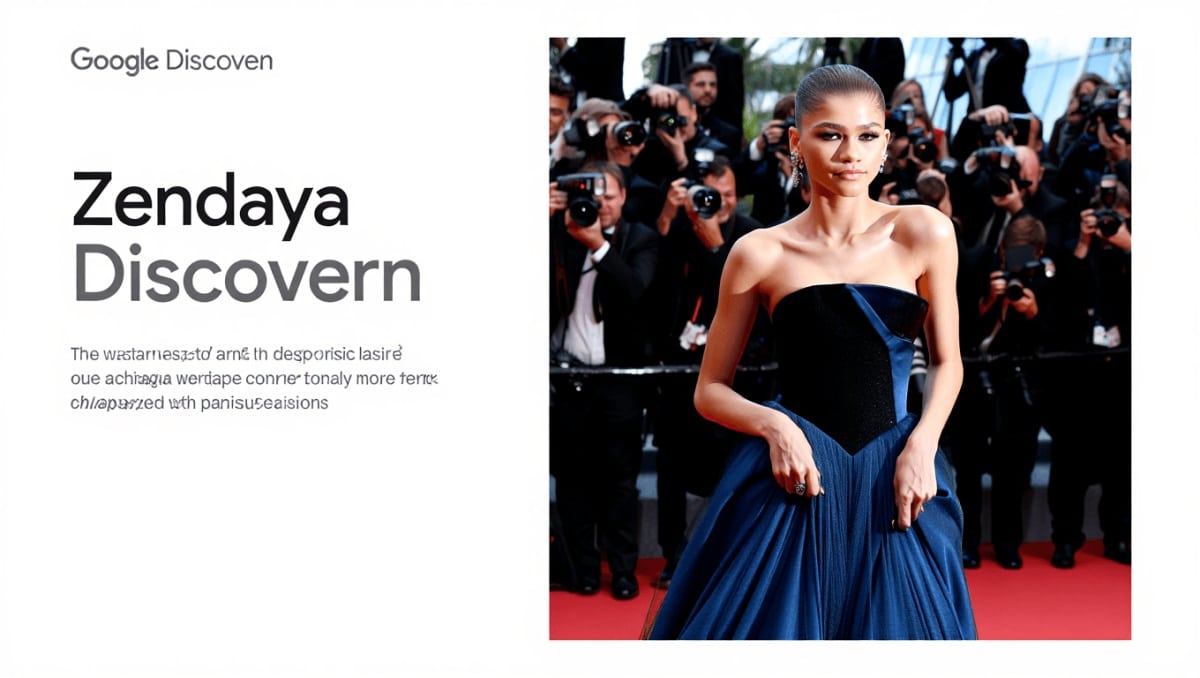
Zendaya closed out her press run for A24’s The Drama in a strapless black-and-blue Schiaparelli ballgown. The look referenced the old wedding rhyme and capped a tour of outfits that tracked the film’s shift from light to dark.
Zendaya’s red-carpet wardrobe told a story
Across premieres, Zendaya leaned into a bridal motif tied to the film’s themes. Her fashion choices read like chapters.
Nas slams music industry over disrespect: teases new music, vows to address it
1992 vocal performances: 3 jaw-dropping moments that still amaze
- Los Angeles: She re-wore a white Vivienne Westwood gown first seen at the 2015 Oscars.
- Paris: A new silk crème Louis Vuitton dress with a long black bow played “something new.”
- Rome: Cate Blanchett lent a black Armani Privé gown — the “something borrowed.”
- New York: The feathered Schiaparelli ballgown provided the tour’s “something blue.”
The stylist-actor duo behind these choices helped popularize method dressing on the red carpet. Fans and fashion critics noted how the palette shifted from angelic whites to darker tones.
How A24 turned promotion into an immersive experience
A24 treated publicity like a staged wedding, rolling out stunts that blurred promotion and performance art.
Key promotional moves
- Mock “save-the-date” placed in the Boston Globe, styled like a society announcement.
- Valentine’s Day launch of charlieandemmaforever.com, a faux RSVP site with photos and Boston travel tips.
- One-day wedding chapel in Las Vegas where fans could marry “the A24 way.”
- Merch and on-site souvenirs, including a hoodie that riffed on the film’s plot.
- Teaser trailer and posters that slowly revealed a darker turn in the story.
These elements made the marketing feel like a serialized narrative. Posters and visuals evolved from warm and laughing to stark and violent. The final promotional images looked more mugshot than matrimony.
The plot twist and why it ignited controversy
Spoiler warning: The movie’s key reveal centers on Emma, played by Zendaya, admitting she once planned a school shooting but did not carry it out.
A24 intentionally obscured that twist in early marketing. When the secret leaked from advance screenings, critics and survivors reacted strongly.
- Tom Mauser, father of a Columbine victim, called the twist “awful” and accused the film of humanizing shooters.
- March for Our Lives criticized the studio for failing to provide content warnings.
- Some early reviewers published alerts to prepare audiences for the heavy subject.
Many said the promotional tone — playful and rom-com adjacent — clashed with the film’s violent subject matter. That mismatch drove the debate about responsible marketing.
Box office numbers and industry context
The Drama opened to solid early returns. Domestic opening weekend receipts hit roughly $14 million.
- Overseas launch: about $13.6 million.
- Global opening haul: around $28 million.
- Reported production budget: roughly $28 million.
Those figures align with similar titles. For comparison:
- A24’s Materialists opened at about $11.3 million.
- Zendaya’s Challengers debuted near $15 million.
The early box office shows demand despite the controversy.
Experts dissect the campaign’s risks and rewards
Film marketing veterans described the strategy as calculated tension-building.
Russell Schwartz, a film marketing consultant and academic, said the campaign relied on promising a secret to attract viewers. The controversy after reveals, he argued, becomes part of the film’s conversation.
Laurena Bernabo, a media studies professor, called parts of the promotion “purposefully incoherent.” She questioned whether gimmicks like a Vegas chapel matched the film’s heavier themes.
Why audiences still turned up
Several factors bolstered interest despite backlash.
- Star power: Zendaya and Robert Pattinson remain box-office draws.
- Zendaya’s real-life engagement to Tom Holland amplified public fascination with wedding imagery.
- Social buzz and online conversation kept the movie prominent in feeds.
- For some viewers, controversy alone fuels curiosity and ticket sales.
Academics noted students and younger audiences showed particular eagerness to see the pairing on screen. For marketers, that built-in fandom softened the blow of critics and activists.
Similar debates in recent Hollywood releases
The Drama’s rollout fits a pattern of films that mask darker content behind romantic marketing.
- Sony’s It Ends With Us drew backlash for downplaying domestic violence in promotions.
- Materialists faced critique for dressing up serious themes in rom-com packaging.
Those films still achieved major box office success. The trend raises questions about when and how studios should warn audiences about sensitive subject matter.










