
Show summary Hide summary
- Band blasts Musk and Grok over false AI tags
- How automated labeling can misfire
- Why artists fear platform migration
- Industry response and community reaction
- What this means for Elon Musk and X
- Legal and copyright angles creators are watching
- Practical steps creators can take now
- Where the debate may head next
A rising uproar on social media began after a popular rock band accused Elon Musk’s Grok of mislabeling their recent posts as AI-generated. The group’s blunt rebuke has renewed fears among creators about automated moderation and the tech giant’s approach to policing content. Artists and fans alike are watching closely as the debate over AI detection and platform trust widens.
Band blasts Musk and Grok over false AI tags
The band took to X to publicly call out Elon Musk and his AI, Grok, after several of their images and clips were flagged as AI-created. In a terse message, they warned this is “a very good way to get artists to stop using your platform.”
Nas slams music industry over disrespect: teases new music, vows to address it
1992 vocal performances: 3 jaw-dropping moments that still amaze
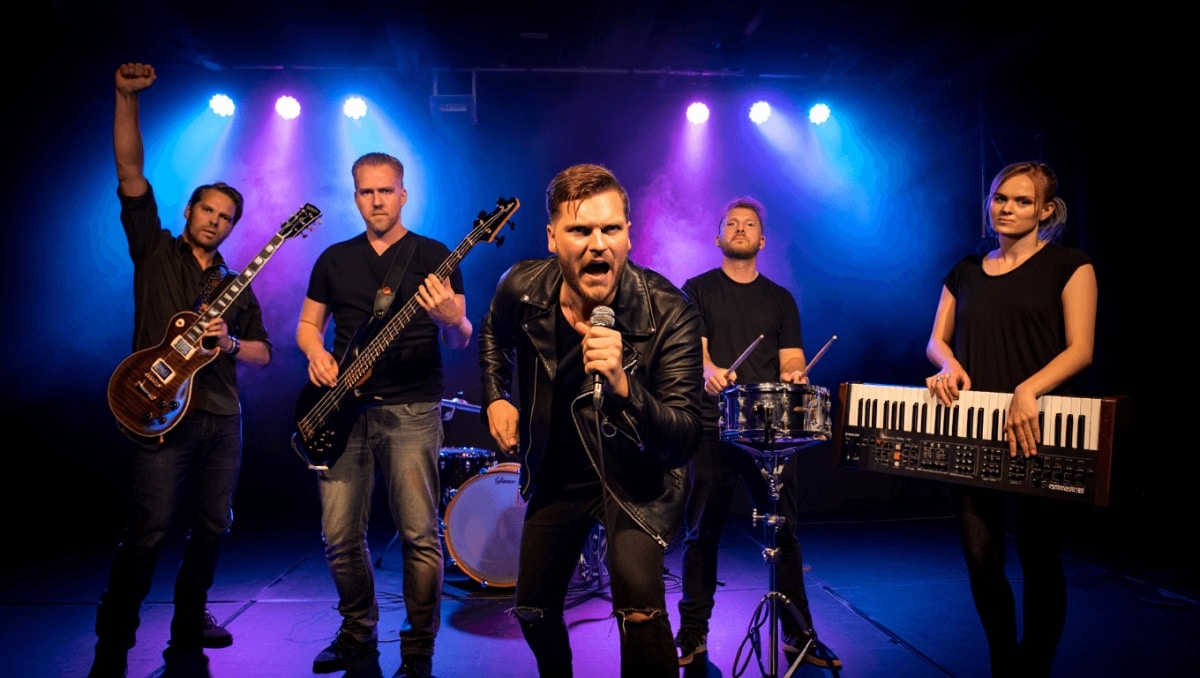
Members said the labeling affected official promo art and concert photos. They insist every piece was their original work. The public accusation pushed the issue into mainstream conversation.
How automated labeling can misfire
Automated systems use patterns and metadata to guess a post’s origin. But these models are not perfect. Errors can happen for many reasons:
- Similar visual styles between human-made art and AI outputs.
- Low-quality or compressed files that confuse detectors.
- Reliance on training data that doesn’t include enough music-industry examples.
When an algorithm flags creators wrongly, the result is more than a technical glitch. It can damage fan trust, limit distribution, and harm an artist’s income.
Why artists fear platform migration
Creators need predictable rules. When that predictability disappears, alternatives become attractive. The band’s message echoed a broader concern:
- Loss of visibility: Labels can reduce reach or trigger content restrictions.
- Monetization risk: Demonetization or removed promotions hit revenue.
- Reputation harm: Being called “AI-generated” can undermine an artist’s authenticity.
Industry response and community reaction
Other musicians and visual artists quickly weighed in. Some shared similar experiences. Others called for clearer appeals and human review. Fans rallied behind the band, using hashtags and reposting clean versions of the work.
What creators want now
- Transparent criteria for AI labeling.
- Faster, accessible appeals with human oversight.
- Tools to whitelist verified artist accounts or original content.
What this means for Elon Musk and X
The controversy puts pressure on Musk and X to refine automated systems. Critics argue that blunt AI labeling can alienate the very users platforms depend on. Supporters say detection is crucial for fighting deepfakes and misinformation.
For the company, the challenge is balancing safety with fairness. Fixes could include better training data, clearer policy language, and explicit pathways for creators to challenge labels.
Legal and copyright angles creators are watching
Mislabeling content as AI-generated intersects with copyright and moral-rights debates. Artists worry about how labels could be used in licensing disputes or by promoters vetting acts.
- Incorrect AI tags could complicate licensing deals.
- Labels might be cited in disputes over originality.
- Creators fear long-term impacts on credit and royalties.
Practical steps creators can take now
While platforms update their systems, creators can protect themselves by taking simple actions:
- Keep high-resolution originals and timestamps as proof.
- Register works where possible with copyright offices.
- Share process posts showing drafts or behind-the-scenes work.
- File appeals promptly and document responses.
These measures won’t stop all errors, but they make a stronger case when content is mislabeled.
Where the debate may head next
The clash highlights deeper questions about AI governance on social platforms. Will technology owners prioritize automated enforcement over creator trust? Or will they invest in robust review systems that protect both users and authenticity? The outcome could reshape how musicians and artists engage online.










