
Show summary Hide summary
- What J. Cole is saying about streaming and value
- How discovery shifted from curation to algorithms
- Financial ripple effects for creators
- Cultural consequences: attention spans and content depth
- Voices in the industry: agreement and pushback
- Practical responses artists are testing
- Questions streaming platforms need to address
- How listeners can influence what succeeds
- What to watch next in the debate over value
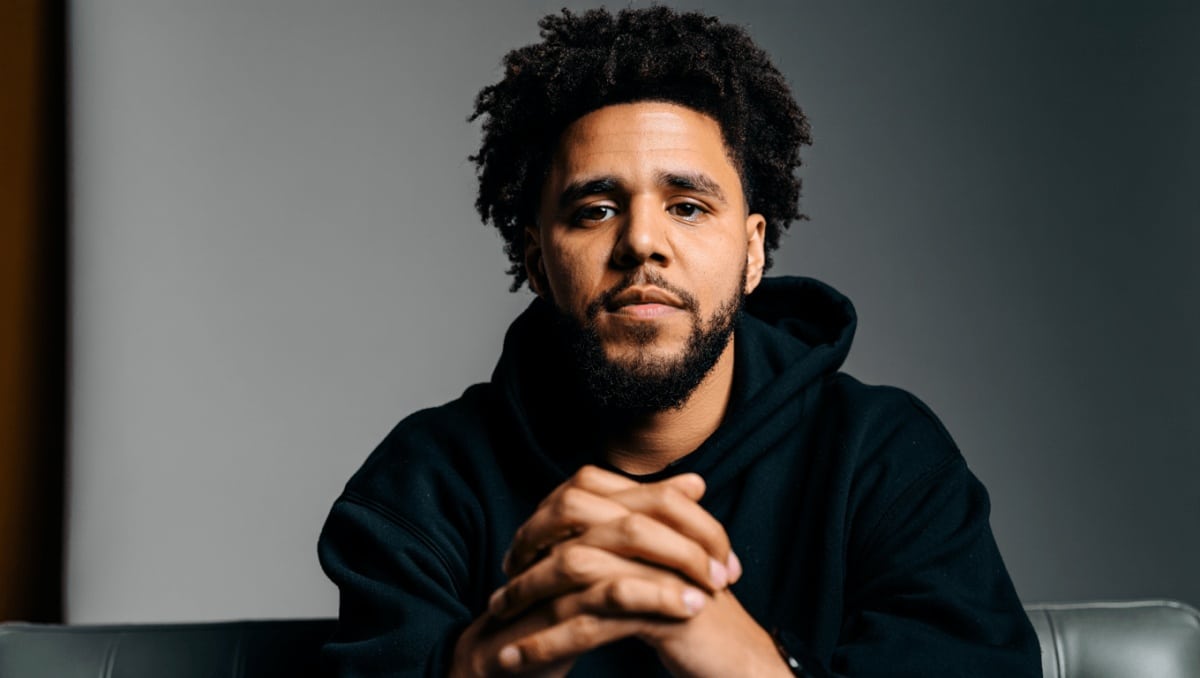
J. Cole is reigniting a debate about how music is valued in the streaming era. The rapper-producer argues that the way people find and consume songs today favors quick hits over deep artistic work. His comments have kicked off conversations across social media and the industry, forcing a closer look at how platforms shape both culture and payouts.
What J. Cole is saying about streaming and value
Cole has raised concerns about the impact of streaming on artistic standards. He says the removal of traditional gatekeepers means anyone can upload music. That openness has a price: songs compete for attention in feeds and playlists, not for long-term respect.
Nas slams music industry over disrespect: teases new music, vows to address it
1992 vocal performances: 3 jaw-dropping moments that still amaze
He suggests this leads to surface-level critique, where tracks are judged by immediate clicks rather than craft or context. For Cole, the economics and mechanics of streaming reward the fastest hook, not lasting work.
How discovery shifted from curation to algorithms
Before streaming, radio, labels, and tastemakers filtered new releases. Now, algorithms guide many listeners.
- Playlists and autoplay push songs to ears based on patterns, not necessarily quality.
- Shorter songs and repeatable hooks get favored by recommendation systems.
- Viral moments on social platforms often translate into streaming success overnight.
This algorithm-first discovery model changes what artists prioritize in the studio.
Financial ripple effects for creators
Streaming pays per stream, but rates vary and often favor high-volume consumption. For many artists, that math is challenging.
- Independent musicians often rely on touring and merch to make ends meet.
- Major-label acts can still earn more through scale and playlist placement.
- Smaller acts feel pressure to release constantly to maintain visibility.
J. Cole’s point highlights how platform economics shape creative choices, sometimes at the expense of longer-form projects or experimental albums.
Cultural consequences: attention spans and content depth
Streaming’s pace encourages rapid consumption. That can shorten attention spans and shift expectations.
- Listeners may skip deep cuts and focus on singles.
- Albums are sometimes treated as a collection of streamable units, not unified works.
- Artistic risk-taking can decline when engagement metrics drive decisions.
The result is a landscape where depth competes with immediacy, and where critical discussion often focuses on trends, not craft.
Voices in the industry: agreement and pushback
Not everyone sees streaming as a net negative. Some point to opportunities:
- Independent artists gain access to global audiences without label deals.
- Niche styles can find sustainable followings through targeted playlists.
- Data can help artists understand who listens and where to tour.
Others echo Cole’s concern, urging a reevaluation of how platforms reward creators. Conversations now include labels, streaming services, artists, and policymakers.
Practical responses artists are testing
Musicians are experimenting with ways to counteract surface-level trends.
- Releasing shorter singles to build momentum, then following with a cohesive album.
- Using multiplatform storytelling to deepen listener engagement.
- Prioritizing unique live experiences and physical releases to create value beyond streams.
These tactics aim to balance visibility and artistic integrity, while navigating the realities of playlist-driven discovery.
Questions streaming platforms need to address
Industry leaders face tough choices about how to support artists and preserve cultural depth.
- Should payout models be restructured to favor longevity and critical impact?
- Can algorithmic design reward artistic diversity rather than just repeatability?
- What role should platforms play in promoting new or experimental music?
Answers will affect how future generations create and consume music.
How listeners can influence what succeeds
Audience behavior still matters. Individual choices shape trends.
- Seeking out full albums and attending shows boosts artists beyond streams.
- Sharing thoughtful reviews and playlisting deeper cuts can alter algorithm signals.
- Supporting direct artist channels and buying music still sends a clear market signal.
Fans who prioritize depth can help counteract the “fast music” dynamic Cole criticizes.
What to watch next in the debate over value
Expect ongoing discussion between artists, platforms, and lawmakers. New policies, platform features, or payout experiments could reshape the field. Artists will adapt—some by leaning into trends, others by pushing for structural change.
J. Cole’s remarks have reignited a wider conversation about art, commerce, and technology in modern music. The debate over how to preserve meaningful creative work in a streaming-first world is only starting.










