
Show summary Hide summary
- How the situation unfolded at the venue
- Security’s public response and the guard’s statement
- Fans’ reactions and social media debate
- Where the artist stands
- Industry context: crowd control and security training
- Possible next steps and venue procedures
- Legal and safety considerations fans should know
- Lessons for future shows
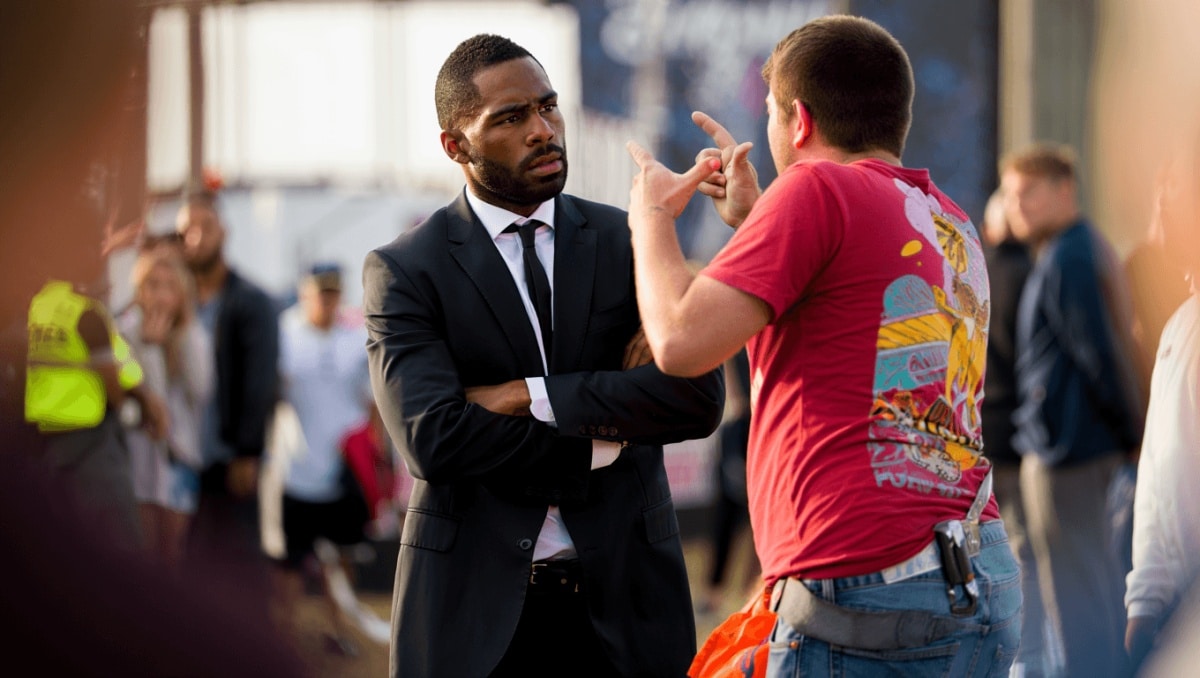
An incident at a recent Chappell Roan concert left fans and onlookers divided after a security guard intervened with an attendee. The guard has since publicly accepted responsibility, saying, “I made a judgement call.” The exchange has sparked questions about crowd safety, performer protection, and how venues handle tense moments during live shows.
How the situation unfolded at the venue
Details about the interaction vary between eyewitness accounts and venue statements. What is consistent is that an encounter between a fan and a member of the artist’s security team escalated during the performance.
Nas slams music industry over disrespect: teases new music, vows to address it
1992 vocal performances: 3 jaw-dropping moments that still amaze
- Eyewitnesses say a fan moved toward the stage and was met by a security guard.
- Video clips shared online show a brief physical exchange and the fan being escorted away.
- Some attendees filmed the moment, leading to wide circulation on social platforms.
Security’s public response and the guard’s statement
Within hours, the security guard involved issued a statement accepting fault for how the interaction was handled. In that message, he acknowledged taking action and said his intentions were to protect the performer and the crowd.
- “I made a judgement call,” he said, adding that he regrets any distress caused.
- He expressed willingness to cooperate with venue reviews or investigations.
- The security firm clarified it is reviewing the incident and will provide additional training if needed.
Fans’ reactions and social media debate
Responses have been mixed. Online, some users defended the guard’s choice, while others criticized the use of force and called for accountability.
- Supporters argue that protecting artists and maintaining stage safety is paramount.
- Critics say nonviolent alternatives should have been used.
- Several attendees have asked the venue for transparency and clearer policies.
Where the artist stands
Chappell Roan’s team has not released a long statement but noted they are in contact with both the fan and the venue. The artist’s representatives emphasized the importance of safe, respectful environments at shows.
Industry context: crowd control and security training
Incidents like this fuel broader conversations about how concerts are managed. Promoters, venues, and security firms must balance performer safety with fans’ rights.
- Best practices often include de-escalation training for staff.
- Clear fan conduct policies help prevent misunderstandings.
- Regular audits of security protocols reduce risk at live events.
Possible next steps and venue procedures
After high-profile incidents, venues typically take a few common actions.
- Review internal footage and eyewitness reports.
- Interview involved parties, including staff and the attendee.
- Decide if disciplinary measures or policy changes are necessary.
- Communicate outcomes to the public if appropriate.
Legal and safety considerations fans should know
Attendees can protect themselves by knowing venue rules and following posted guidance. If anyone feels their rights were violated, they can seek legal advice.
- Document the incident with photos or video when safe to do so.
- Report concerns to venue management promptly.
- Consider filing a formal complaint if you believe excessive force occurred.
Lessons for future shows
Both fans and organizers can take away practical points from this episode. Clear communication and trained personnel reduce escalation. Fans benefit from respecting performance boundaries.
- Venues should update and share safety protocols with ticket buyers.
- Security teams should emphasize de-escalation and restraint.
- Artists can remind audiences about respectful behavior before and during sets.










