
Show summary Hide summary
- How one short clip set off a cross-genre craze
- Why “Freak on a Leash” fits pop choreography so well
- How TikTok tools amplified the discovery
- Fan reactions: surprise, delight, and healthy debate
- What the trend did for Korn and streaming numbers
- How creators can reproduce the sync effect
- What this moment says about genre and attention online
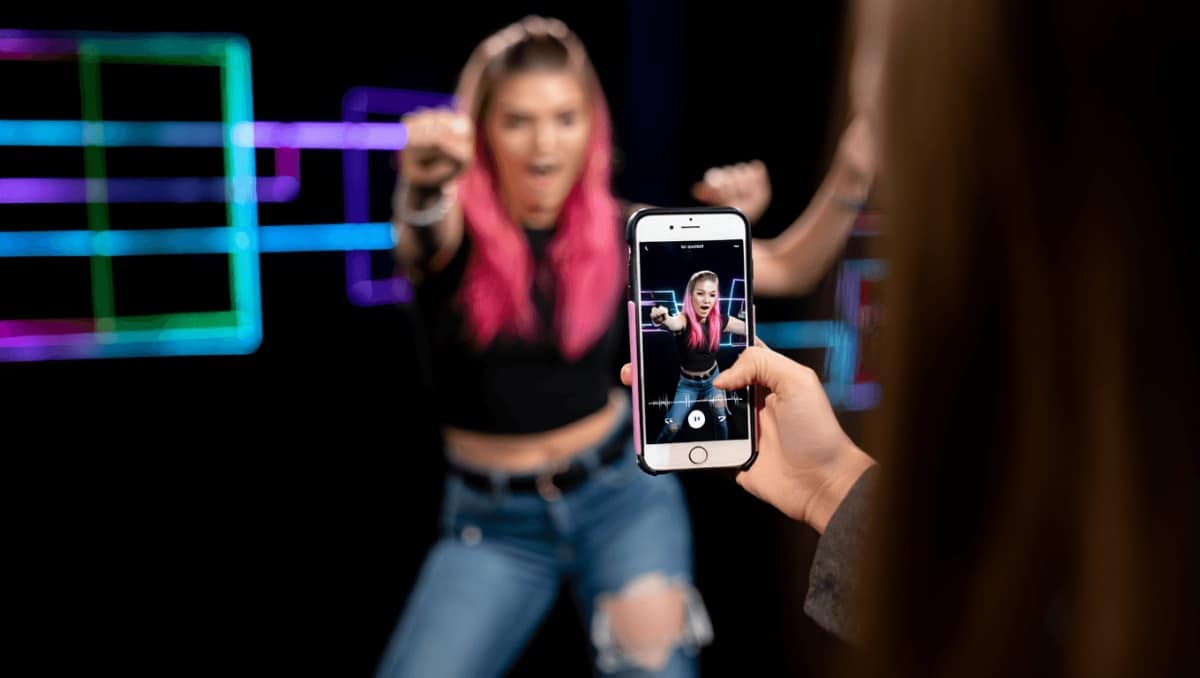
When a TikTok creator noticed that a handful of beats in Korn’s 1998 hit lined up with the signature moves of a current pop choreography, a new internet obsession was born. Clips multiplied, remixes flowed, and suddenly a nu-metal classic became the unlikely soundtrack to a dance trend aimed at a different generation.
How one short clip set off a cross-genre craze
A single video illuminated a surprising musical alignment. A user overlaid Korn’s “Freak on a Leash” onto a viral pop routine. The beats matched. The timing looked intentional. Viewers pressed play and then replayed.
Nas slams music industry over disrespect: teases new music, vows to address it
1992 vocal performances: 3 jaw-dropping moments that still amaze
- Creators began swapping audio in the app.
- Duets and stitch videos showcased the same choreography with new soundtracks.
- The trend gained momentum as influencers and casual users joined in.
Why “Freak on a Leash” fits pop choreography so well
At first glance, nu-metal and polished pop dance seem worlds apart. But rhythm, accents, and phrasing are universal. Korn’s track contains tight percussive hits and dramatic breaks. Those moments map onto choreography cues.
- Sync points: cymbal crashes and vocal staccato line up with key moves.
- Tempo compatibility: the song’s pulse allows dancers to keep the original timing.
- Dynamic contrast: quiet verses and loud choruses create natural cues for pose and motion.
How TikTok tools amplified the discovery
The platform’s remix-friendly features made it easy to experiment. Creators used stitch, duet, and audio editing to test the pairing. Algorithmic boosts then rewarded early engagement.
Mechanics that matter
- Short loopable clips encourage repetition.
- High retention and replay rates signal relevance to the algorithm.
- Challenges and hashtags funnel views into a trend.
Fan reactions: surprise, delight, and healthy debate
Responses varied across social communities. Some metal fans cheered the renewed attention. Pop audiences appreciated the fresh sonic texture. Others debated whether the mash-up was a clever remix or a mismatch.
- Memes and remixes proliferated as users leaned into the contrast.
- Professional choreographers reposted clips and offered breakdowns.
- Discussion threads explored authenticity versus viral novelty.
What the trend did for Korn and streaming numbers
Within days of the viral spike, streaming platforms registered increased plays of older tracks. Search queries for the band climbed. New listeners discovered the catalog, while longtime fans revisited it.
- Streams and downloads saw noticeable upticks.
- Social mentions broadened the band’s audience profile.
- Playlist curators added the song to niche mixes and throwback lists.
How creators can reproduce the sync effect
Recreating a similar moment requires a few practical steps. The right audio edit and a sharp eye for choreography cues make all the difference.
- Scan both songs for tempo and beat markers.
- Use precise cuts to align accents with moves.
- Test short loops to make content easily repeatable.
- Tag relevant trends and use clear hashtags.
- Encourage duets and stitches to multiply reach.
What this moment says about genre and attention online
The viral pairing highlights how social platforms collapse genre boundaries. A song’s original context changes when creators reframe it. That reframing can revive catalogs and spark cultural conversation.
- Genres are porous: fans and creators increasingly mix styles.
- Attention is currency: unexpected pairings can generate rapid discovery.
- Longevity gets a boost: older tracks find new life through creative reuse.










