
Show summary Hide summary
- Why Usher’s comments cut through the noise
- What the allegations mean for Sean “Diddy” Combs
- How the music world is reacting
- Separating the music from the man: a recurring debate
- Examples of how others have handled similar situations
- What Usher’s stance might mean for future honors
- Voices from the public and social media
- How artists and institutions can navigate the gray area
- Questions still unresolved as the debate continues
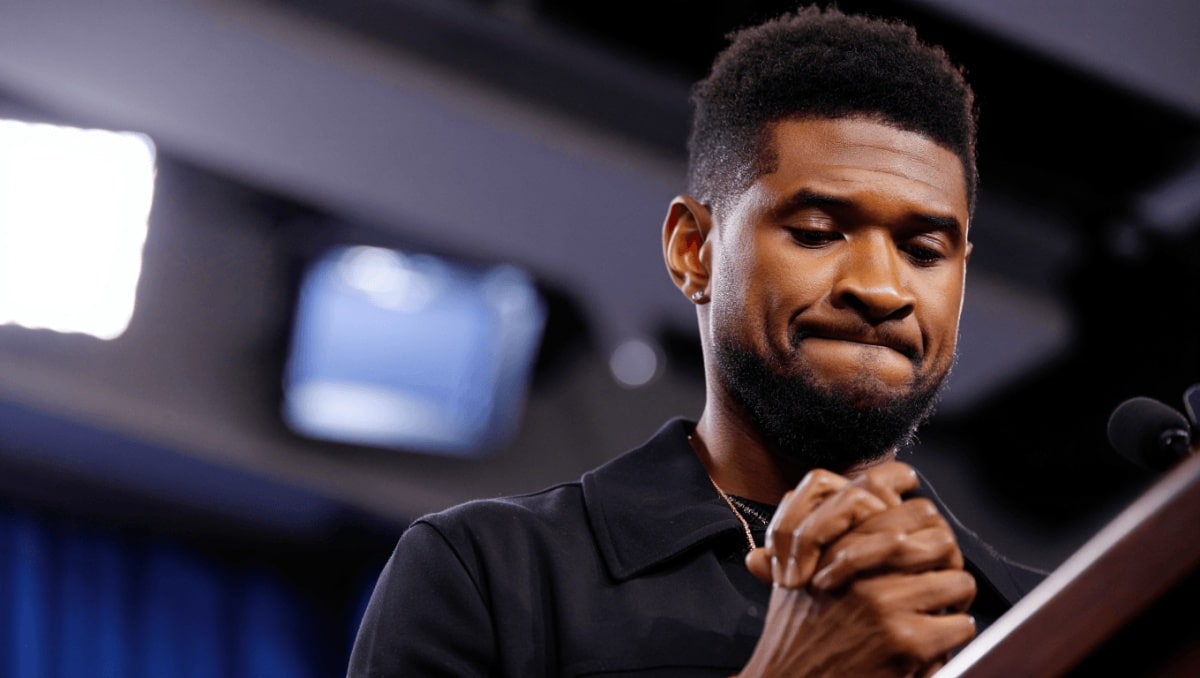
Usher says the conversation around Sean “Diddy” Combs is complicated. As allegations of abuse swirl, the R&B star urged people to weigh Diddy’s cultural influence while acknowledging serious claims. His remarks have re-ignited debate about where to draw the line between celebrating artistic achievement and confronting alleged wrongdoing.
Why Usher’s comments cut through the noise
Usher spoke publicly about Diddy in a way that did not dismiss the allegations. Instead, he framed the debate as one about legacy and accountability. That perspective landed in the middle of heated online discussions and headlines.
- Nuanced stance: Usher did not excuse alleged behavior.
- Focus on artistry: He highlighted long-term influence on music and culture.
- Industry pressure: His words reflect a broader dilemma facing peers and institutions.
Nas slams music industry over disrespect: teases new music, vows to address it
1992 vocal performances: 3 jaw-dropping moments that still amaze
What the allegations mean for Sean “Diddy” Combs
Allegations have serious consequences beyond headlines. For public figures, claims of abuse affect touring, endorsements, and honors. Many brands and institutions move quickly to distance themselves. Others adopt a wait-and-see approach.
Immediate repercussions
- Shows and appearances can be canceled.
- Business partners may pause collaborations.
- Media outlets often limit coverage or change tone.
Long-term legacy risks
Legacy is reshaped over time. Historic achievements can be reevaluated in light of new facts. That reassessment can alter how future generations view an artist.
How the music world is reacting
Responses across the industry vary from silence to outspoken condemnation. Executives, fellow artists, and fans each face different pressures. Some choose to separate the art from the artist. Others believe honoring the work implicitly condones alleged behavior.
- Artists: Many weigh personal ties against public accountability.
- Labels and managers: Business decisions often prioritize risk mitigation.
- Fans: Reactions range from disbelief to calls for boycotts.
Separating the music from the man: a recurring debate
The question of whether to celebrate a creator’s art despite off-stage actions is not new. It prompts ethical, legal, and emotional responses.
Arguments for separation
- Art can have independent cultural value.
- Collective contributions shape a genre beyond one person.
- Removing art from circulation can erase history.
Arguments against separation
- Honoring work may silence victims.
- Continued recognition can enable powerful figures.
- Institutions risk normalizing problematic behavior.
Examples of how others have handled similar situations
The entertainment industry offers several precedents. Responses have ranged from revoking honors to contextualizing work with disclaimers.
- Some award shows rescinded accolades after new information emerged.
- Platforms sometimes remove or restrict access to content.
- Retrospectives often include critical context rather than celebration.
What Usher’s stance might mean for future honors
When a prominent peer voices a balanced view, it can influence institutions. Usher’s comments may encourage nuanced conversations at museums, award bodies, and radio stations deciding how to handle Diddy’s catalog.
- Policy shifts: Organizations may adopt clearer ethical guidelines.
- Contextualization: Curators might present music with factual background.
- Selective celebration: Tributes may focus on artistic milestones, not personal conduct.
Voices from the public and social media
Social feeds show polarized opinions. Some users applaud Usher for recognizing craft. Others criticize any defense of a figure facing serious accusations. The digital debate often amplifies extremes.
- Supporters argue legacy is distinct from allegations.
- Critics demand accountability and silence on honors.
- Neutral observers call for evidence-based discussion.
How artists and institutions can navigate the gray area
There is no single correct approach. But several practical steps can help balance respect for cultural history with the need for responsibility.
- Establish transparent review processes for honors and retrospectives.
- Include victim voices and independent research in decision-making.
- Offer contextual framing when presenting contested work.
Questions still unresolved as the debate continues
Key issues remain open: How should ongoing allegations shape archival preservation? When is it appropriate to separate contributions from conduct? Who decides the boundaries?
- Legal outcomes can change public judgment.
- Time and additional facts often reshape legacy discussions.
- Public institutions may set new standards based on current debates.










