
Show summary Hide summary
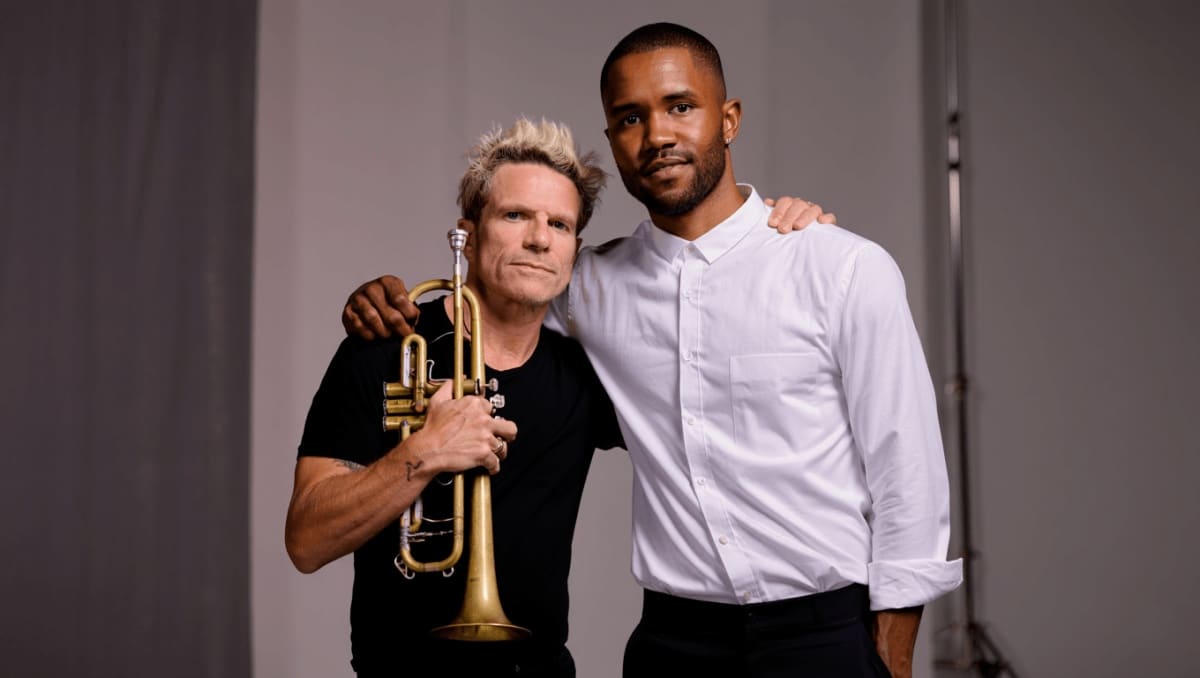
Flea says he found himself replaying Frank Ocean’s Channel Orange until he could no longer ignore its pull. The Red Hot Chili Peppers bassist turned that admiration into music, offering a lyrical, trumpet-led take on Ocean’s work that’s drawn attention across social feeds and music pages.
Why Channel Orange hooked a rock icon
Flea explained that Channel Orange hit him in a different place than other albums. He praised the record for its bold storytelling and subtle instrumentation. For a player steeped in punk and funk, Ocean’s blend of R&B, jazz, and art-pop provided fresh textures.
- Emotional honesty: Tracks that feel intimate and raw.
- Unconventional arrangements: Songs that shift mood and space.
- Songwriting craft: Melodies and lyrics that invite reinterpretation.
Nas slams music industry over disrespect: teases new music, vows to address it
1992 vocal performances: 3 jaw-dropping moments that still amaze
Those elements made Channel Orange not just background music for Flea, but a source of creative curiosity. He described listening sessions that lasted hours, where he kept returning to the album’s fragile dynamics and unusual chord moves.
How Flea transformed Frank Ocean into brass
Rather than replicate Ocean’s vocals, Flea answered with his trumpet. He translated vocal lines into phrasing that borrows from jazz and rock. The result was a cover that feels intimate and exploratory.
Approach and tone
Flea’s trumpet does more than mimic a melody. It interprets the mood. He leans into breath, space, and microtonal inflections. Those choices give the cover a smoky, late-night quality.
Arrangement choices
- Keeping core melodic hooks while loosening strict timing.
- Using sparse accompaniment to let the trumpet breathe.
- Infusing improvisation typical of jazz phrasing.
The cover highlights how a strong song can translate across instruments and genres. Flea’s version respects Ocean’s composition and simultaneously makes it unmistakably his.
Fans, peers, and critics respond
Reaction has been fast and varied. Fans of both artists praised the homage. Musicians noted the thoughtful phrasing and the courage to approach a beloved album in a new voice.
- Social posts applauded the vulnerability Flea showed.
- Music writers pointed to the cover as an example of cross-genre curiosity.
- Listeners found new details in Channel Orange after hearing Flea’s interpretation.
Some commentators framed the cover as part of a larger trend: established rock musicians revisiting modern R&B and hip-hop to discover fresh ideas.
What this crossover reveals about modern music
Flea’s admiration and his trumpet cover underscore a bigger point about contemporary listening habits. Artists now mine wide-ranging influences without genre boundaries. The exchange between rock and R&B is part of a continuing dialogue.
- Genre fluidity: Musicians borrow textures, not just songs.
- Reinterpretation as homage: Covers can illuminate original works.
- Creative reinvention: Instrumental takes can reveal hidden melodies.
For longtime fans, moments like this reaffirm that invention often springs from curiosity. For newer listeners, it can be an entry point into earlier catalogs.
Where to catch Flea’s trumpet take and what to expect next
Clips and posts of the performance circulated quickly, sparking interest beyond the usual fan circles. The simplicity of a lone brass line against minimal backing made the cover accessible to listeners and musicians alike.
- Expect more spontaneous musical nods from artists who admire Channel Orange.
- Keep an eye on social platforms for short, intimate performances from major musicians.
- Look for collaborations that blur conventional genre lines.
Flea’s public admiration for Frank Ocean and his brass reinterpretation show how influential records resurface in new forms. The conversation between artists continues to evolve, carried on small, personal performances as much as on formal releases.










