
Show summary Hide summary
- Why the original vocalist wants you to reexamine Pantera’s early catalog
- The key 1980s releases to check out
- What makes these albums important to music history
- How fans and critics have reacted over time
- Where to stream, buy, or sample the early Pantera material
- What Glaze has said about the band’s legacy
- Where this fits in Pantera’s wider story
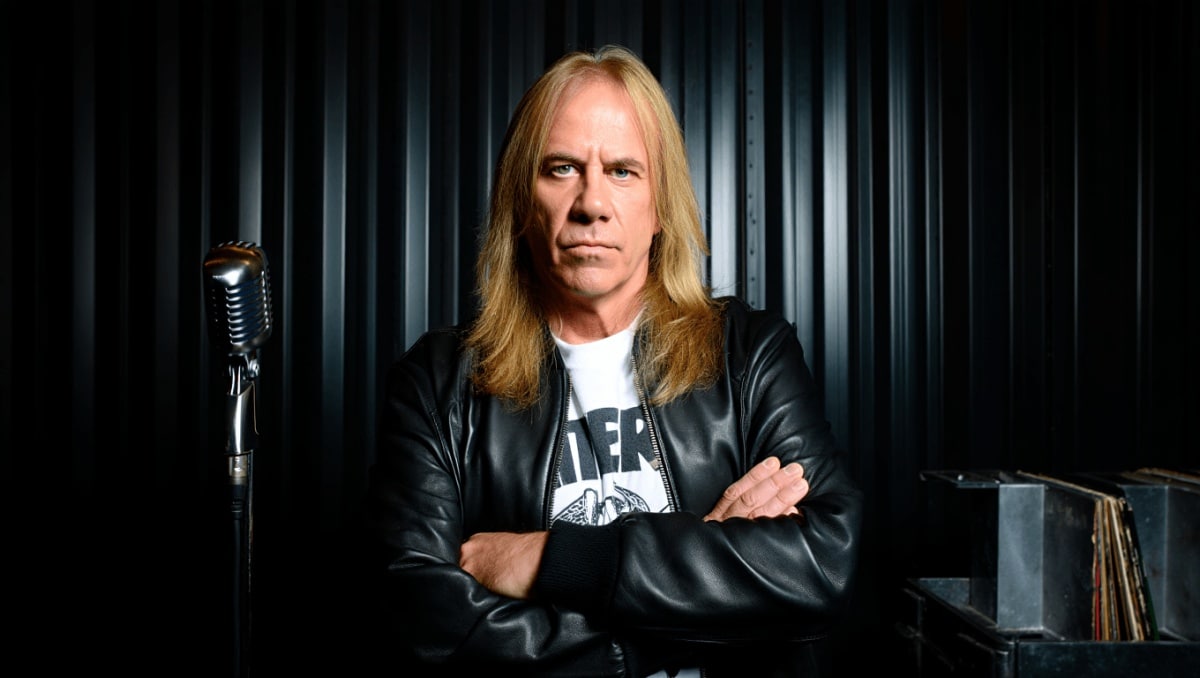
Terry Glaze, the singer who fronted Pantera in the 1980s, is asking longtime fans and new listeners to revisit the band’s early records. He argues those years capture a different Pantera — one rooted in glam metal — and says listeners might be surprised by what they find.
Why the original vocalist wants you to reexamine Pantera’s early catalog
Glaze says the group’s pre-fame albums have been largely forgotten. He frames them as a distinct chapter in the band’s story. For him, those records show a youthful band experimenting with melody, image, and stagecraft.
Nas slams music industry over disrespect: teases new music, vows to address it
1992 vocal performances: 3 jaw-dropping moments that still amaze
His central request: go back and listen to the 1980s releases with fresh ears, not through the lens of the band’s later heavy sound.
The key 1980s releases to check out
Pantera’s early discography differs sharply from their later groove metal era. These albums are the ones Glaze points to:
- Metal Magic (1983) — The band’s debut, raw and steeped in glam-metal theatrics.
- Projects in the Jungle (1984) — Shows growth in songwriting and production.
- I Am the Night (1985) — A transitional record with tighter arrangements.
What makes these albums important to music history
Music scholars and fans often overlook this phase. Still, the records matter for several reasons:
- They document the band’s formative sound and image.
- They reveal early songwriting choices later abandoned for heavier styles.
- They capture an era when glam metal dominated local scenes.
How fans and critics have reacted over time
Reaction has been mixed. Many fans discovered Pantera through the 1990s classics and dismissed the glam era. Others, however, have gone back and found charm and skill in the older material.
Critics note the contrast between the polished aggression of later albums and the flamboyant, melodic approach of the 1980s records.
Where to stream, buy, or sample the early Pantera material
Interested listeners can find these albums on major streaming services and at specialty vinyl retailers. For the best experience, seek remastered editions or original pressings if available.
- Major streaming platforms — convenient for casual listening.
- Physical copies — vinyl and CD collectors’ editions for audio purists.
- Archival reissues — sometimes include bonus tracks or liner notes.
What Glaze has said about the band’s legacy
Glaze frames the early Pantera work as an essential piece of the puzzle. He emphasizes that the band’s evolution was organic, not a rejection of their roots. He calls the 1980s albums “amazing” examples of a band finding its voice.
How to approach these records if you’re new to them
- Listen without comparing to later hits.
- Focus on songwriting and performance, not production polish.
- Consider the cultural context of 1980s glam metal.
Where this fits in Pantera’s wider story
The shift from glam to groove metal helped define Pantera’s later success. Still, revisiting the 1980s output offers a fuller view of the band’s artistic arc. For those curious about musical evolution, these albums are an informative detour.










