
Show summary Hide summary
- What the plea filing says about the case
- Understanding third-degree rape under state law
- Possible punishment: up to 20 years behind bars
- Legal steps remaining on the court calendar
- Statements from representatives and public reaction
- Potential impact on Mystikal’s professional life
- Broader legal and social context
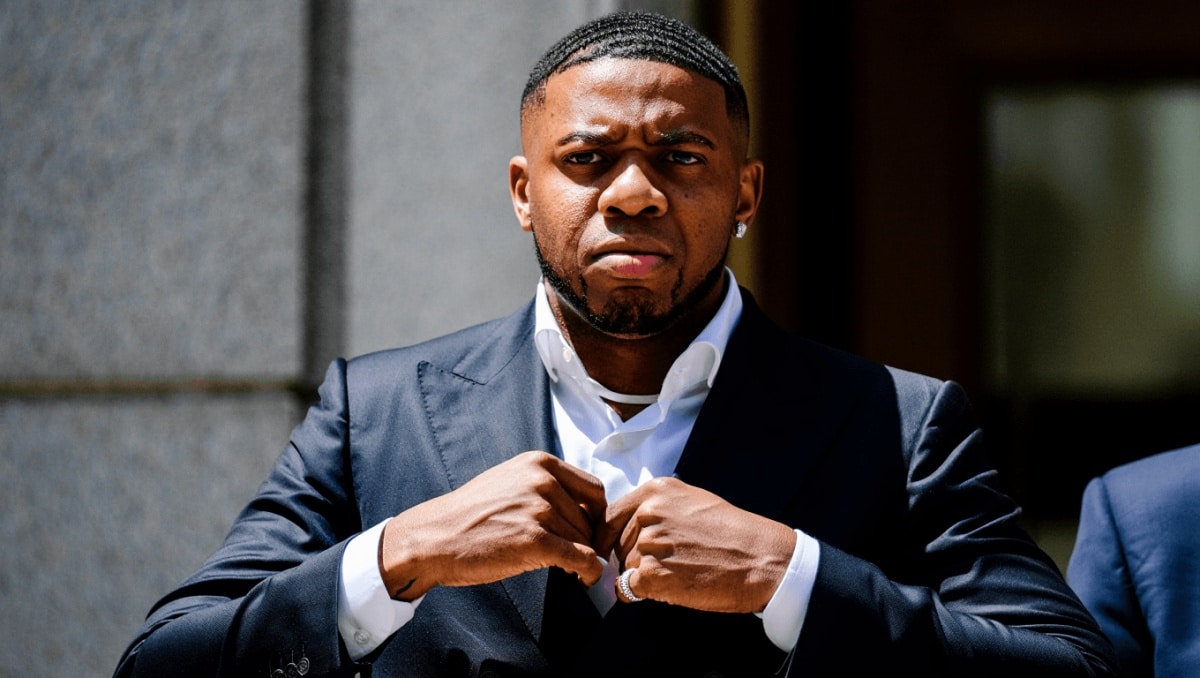
Rapper Mystikal has entered a guilty plea to a charge of third-degree rape, court papers show, exposing him to a potentially lengthy prison term. The development marks a major turn in a high-profile criminal case that has drawn attention from fans and the music industry alike.
What the plea filing says about the case
Court documents indicate Mystikal formally admitted guilt to a single count of third-degree rape. The plea changes the direction of the prosecution and moves the case toward sentencing.
80s British indie bands that changed American alternative rock forever
Pearl Jam drummer quits after 27 years: band says where things stand
- The record shows a plea agreement was filed with the court.
- Prosecutors can now recommend a sentence based on the plea.
- Defense counsel retains the right to argue for a reduced term during sentencing.
Understanding third-degree rape under state law
Third-degree rape is a legal label that varies by jurisdiction, but it typically involves non-consensual sexual contact that falls short of charges labeled as first-degree or aggravated rape.
- Elements of the offense often include lack of consent or coercion.
- Penalties can be severe, reflecting the criminal nature of the conduct.
- Convictions carry collateral consequences beyond prison time, like registration requirements.
Possible punishment: up to 20 years behind bars
Because of statutory guidelines, a conviction for this level of sexual offense can bring a heavy sentence. Legal sources say Mystikal faces a maximum exposure of up to 20 years in prison, depending on the jurisdiction and aggravating factors.
Factors the judge will weigh
- Prior criminal history or previous convictions.
- Details revealed in the presentence investigation report.
- Plea deal terms and any prosecutor recommendations.
- Mitigating evidence offered by defense, such as character testimony.
Legal steps remaining on the court calendar
After a guilty plea, courts typically schedule a sentencing hearing where both sides present arguments. The defense may file motions to seek leniency, while prosecutors may submit victim impact statements.
- Sentencing date will be set by the court.
- Either side can request a presentence investigation.
- Appeals are possible but limited after a guilty plea.
Statements from representatives and public reaction
Representatives for both sides often issue brief statements after a development like this. Public reaction spans social media, industry outlets, and legal analysts.
- Defense teams typically emphasize cooperation or remorse.
- Prosecutors highlight accountability and public safety.
- Fans and peers may voice support or condemnation online.
Potential impact on Mystikal’s professional life
A conviction for a sexual offense can disrupt a public figure’s career. Booking agents, labels, and collaborators often reassess ties to an artist facing prison time.
- Future touring and endorsements could be halted.
- Streaming and catalog visibility may decline as partners distance themselves.
- Long-term reputation effects may persist after any sentence is served.
Broader legal and social context
High-profile guilty pleas draw renewed attention to how sexual offenses are prosecuted and punished. Advocates on both sides debate sentencing practices and victim protections.
- Advocacy groups may call for reforms in handling such cases.
- Legal commentary often focuses on plea bargaining trends in sexual-assault prosecutions.
- Public discourse can influence how similar cases are perceived in the media.










