
Show summary Hide summary
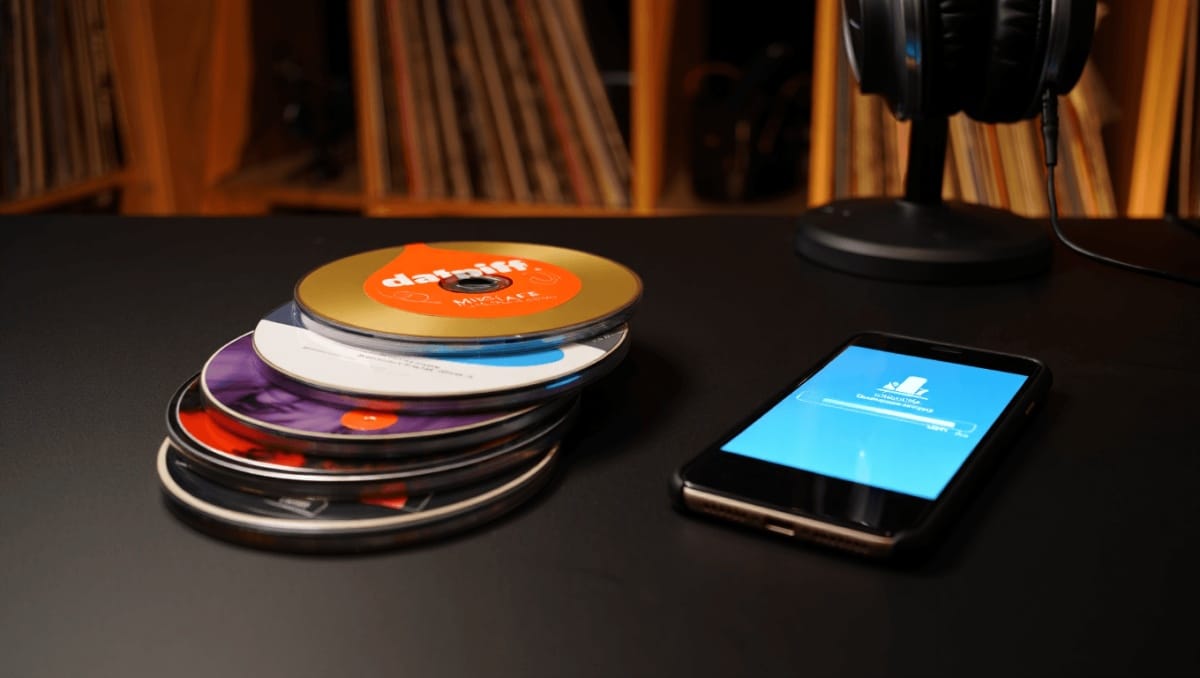
The sound of a new download notification and the thrill of a fresh zip file defined a moment in hip-hop. DatPiff and the blog era turned mixtapes into cultural events. Artists bypassed radio and label gatekeepers and spoke directly to fans. For many, those downloads were the soundtrack to late nights, long commutes, and the discovery of future superstars.
How DatPiff and the Blog Era Changed Music Discovery
In the mid-2000s, music blogs and DatPiff reshaped how listeners found new tracks. Blogs wrote headlines. DatPiff hosted the files. Together they made mixtapes easy to grab and share. That combo let artists test sounds and build followings fast.
Nas slams music industry over disrespect: teases new music, vows to address it
1992 vocal performances: 3 jaw-dropping moments that still amaze
- Free distribution: Artists released whole projects without label hurdles.
- Instant viral reach: Bloggers, forums, and social feeds amplified picks.
- Mixtape culture: DJs, remixes, and exclusive freestyles created mystique.
Four Mixtapes You Probably Downloaded and Why They Mattered
-
Da Drought 3 — a grassroots flex that changed the game
This installment in a mixtape series arrived when mixtapes were more art than filler. The project showcased relentless freestyles over popular beats. Fans downloaded it for the raw delivery and the way it pushed an artist into the mainstream conversation.
- Highlight: relentless punchlines and inventive flows.
- Impact: cemented a reputation for out-of-the-box creativity.
- Why people downloaded: to hear exclusive takes on familiar instrumentals.
-
No Ceilings — carving a narrative through remixes
No Ceilings turned remixes into full statements. Instead of singles, listeners got extended runs of energy and personality. It was a download that fans returned to when they wanted raw, unfiltered performance.
- Highlight: reworked beats with fresh vocal runs.
- Impact: kept momentum between studio albums.
- Why people downloaded: pure entertainment and quotable lines.
-
So Far Gone — the mixtape that launched mainstream stardom
This project blurred the line between mixtape and major release. It featured both new originals and beloved tracks that went on to radio rotation. Millions streamed and downloaded it, turning a bedroom songwriter into a household name.
- Highlight: melodic songwriting and crossover appeal.
- Impact: helped shift how labels saw mixtape success.
- Why people downloaded: it captured a mood and introduced a distinct voice.
-
Kush & Orange Juice — laid-back vibes for late-night listening
This mixtape became a ritual for many listeners. Its looser structure and distinct sonic palette made it perfect for relaxed listening and discovery. Downloads multiplied as word of mouth spread across blogs and forums.
- Highlight: hazy production and effortless hooks.
- Impact: influenced a wave of chill, lifestyle-driven rap.
- Why people downloaded: it matched a specific mood and moment.
What Made Those Downloads Feel Important
Mixtape downloads felt like participation. Fans tracked blogs for release notes. They debated tracklists in comment threads. Each download was proof of being in the know.
- Scarcity by design: limited streaming options made files precious.
- Community buzz: blogs and message boards created shared context.
- Artist access: mixtapes offered behind-the-scenes glimpses of craft.
How That Era Still Shapes Music Today
Today’s streaming era borrowed the mixtape playbook. Surprise drops, playlist-first singles, and free projects still echo those early days. DatPiff’s model proved fans would follow artists outside traditional channels.
- Lesson: direct-to-fan releases can launch careers.
- Lesson: viral buzz often starts with a small, devoted audience.
- Lesson: format matters less than connection and timing.










