
Show summary Hide summary
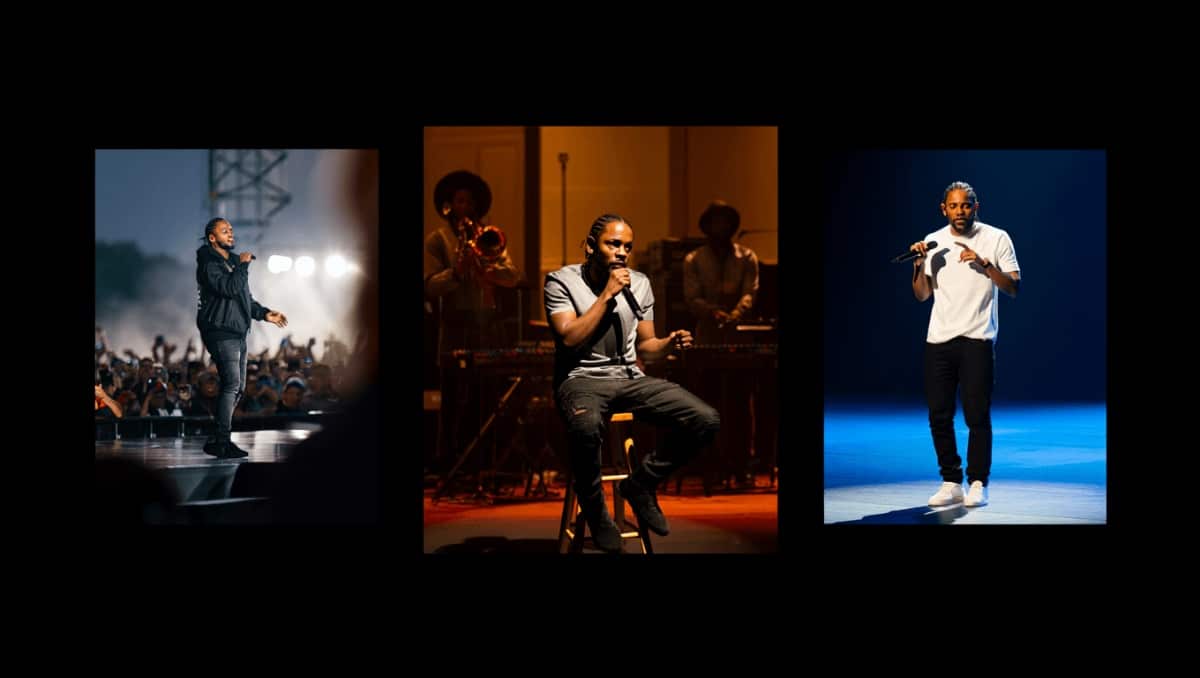
Kendrick Lamar has made live performance into a language of its own. From festival stages to quiet rooms with a live band, his shows have shifted public conversation and raised the bar for hip-hop onstage. Below are three performances that capture different sides of his artistry — spectacle, protest, and intimate musicality — and explain why each still matters.
Coachella and the Festival Moment That Stopped Crowds
Kendrick’s festival sets blend cinematic staging with razor-sharp flow. On major festival stages he treats the crowd like a chorus and the stage like a theater.
Nas slams music industry over disrespect: teases new music, vows to address it
1992 vocal performances: 3 jaw-dropping moments that still amaze
What made the festival sets unforgettable
- Big-picture staging: striking visuals and choreography that match the music’s themes.
- Setlist curation: mixes deep cuts with hits to take listeners on a narrative arc.
- Commanding presence: he moves between urgency and restraint with equal force.
Festival performances showcased Kendrick’s ability to translate studio complexity into a communal, live experience. These sets often became viral moments because they fused spectacle with substance.
Televised Performances Where Music and Message Converged
On television and awards stages, Kendrick used performance as commentary. His live presentations turned broadcast moments into cultural flashpoints.
Elements that amplified the message
- Political choreography: staging and imagery reinforced lyrics about race and justice.
- Raw delivery: vocal intensity matched lyrical weight, making every line land.
- Timing and context: performing certain songs during tense social moments increased impact.
Those televised sets reminded viewers that a single performance can reshape conversation. They cemented Kendrick’s reputation as an artist who uses live moments to challenge audiences.
Intimate Shows with a Live Band: Jazz, Soul, and Rap Intertwined
When Kendrick performs with a full band, the result is cinematic and organic. The music breathes; the lyrics gain new shades.
Why the band-backed shows stand out
- Musical depth: live instrumentation adds texture to complex arrangements.
- Dynamic interplay: horn lines, percussion, and keys respond to his cadence.
- Improvisational moments: extended sections let the band and Kendrick push boundaries.
These concerts reveal his roots in jazz and soul rhythms. They also highlight his skill as a curator of atmosphere, turning a song into an immersive experience.
Signature Songs That Define His Live Legacy
Certain tracks have become touchstones in Kendrick’s live repertoire. Their live renditions often differ from the studio versions.
- Anthems that rally: songs that invite crowd call-and-response and communal energy.
- Storytelling pieces: tracks that unfold like short films when performed live.
- High-intensity numbers: songs that use staging and lights to heighten emotional effect.
Across these categories, Kendrick shows his range: he can incite, console, educate, and captivate in a single night.
How Production and Performance Shape His Reputation
Beyond lyrics, Kendrick’s best shows are defined by production choices. Sound design, visuals, and pacing all serve the story.
- Sound engineering: clarity and balance let dense arrangements breathe onstage.
- Visual narrative: projections and lighting complement lyrical themes.
- Pacing: setlists are built like chapters, creating momentum and release.
These production signatures make a Kendrick performance feel intentional and cinematic, not just a string of songs.










