
Show summary Hide summary
- How a Budweiser ad planted the seed for a hit
- Turning a moment into the opening line everyone knows
- Recording the single and the album context
- Immediate success and the pushback it faced
- Awards, milestones, and chart history
- Why the song still matters in popular culture
- Legacy: influence on music, fashion, and conversation
- Sir Mix-A-Lot’s view on the song decades later
When a television spot caught his ear and stuck in his head, Sir Mix-A-Lot turned a passing moment into one of the 1990s most unforgettable pop-rap anthems. The result was a song that upended mainstream beauty talk, climbed the charts, and kept sparking debate for decades.
How a Budweiser ad planted the seed for a hit
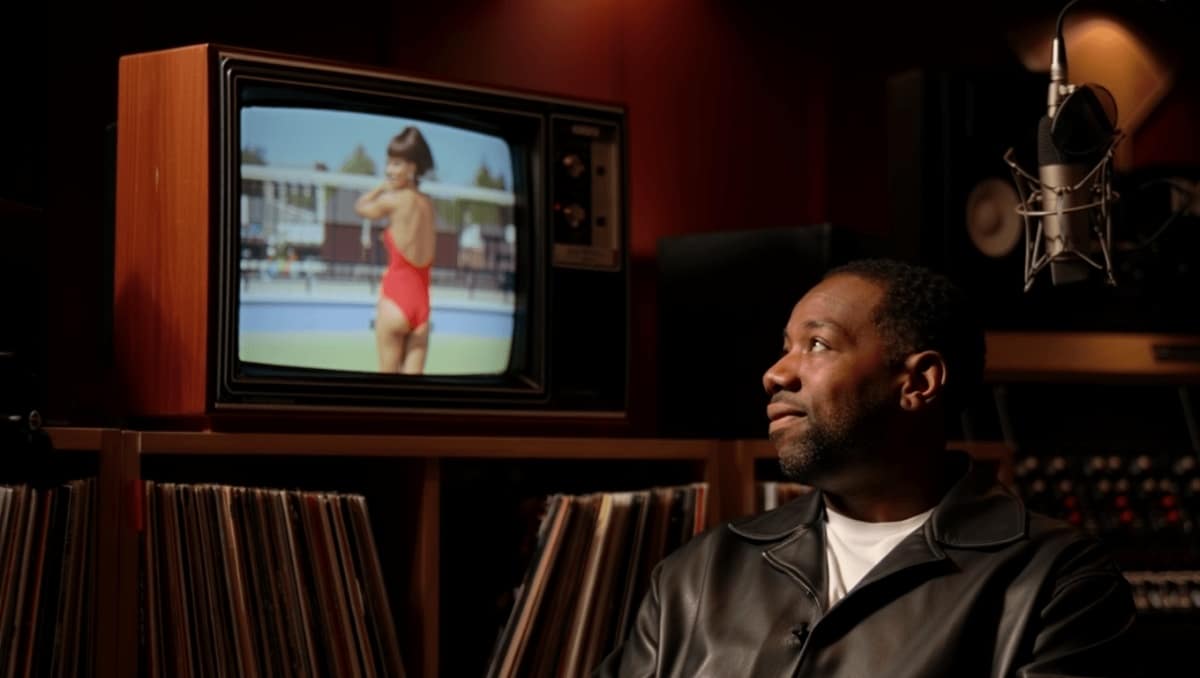
Anthony Ray, known as Sir Mix-A-Lot, has said a beer commercial helped set the song in motion. The ad showed women and drew sharp, joking commentary from viewers. That reaction stayed with him.
Nas slams music industry over disrespect: teases new music, vows to address it
1992 vocal performances: 3 jaw-dropping moments that still amaze
He noticed how people on camera reacted to body types. He wanted to flip the script. What began as a small observation became the germ of a hook that millions would sing.
Turning a moment into the opening line everyone knows
In the studio he translated that idea into a bold, catchy chorus. The opening line, “I like big butts and I cannot lie,” arrived early in the writing process.
- The line was crafted to be direct and irreverent.
- It served as a counterpoint to narrow beauty standards on TV and in magazines.
- Humor and shock helped the phrase lodge in pop culture fast.
Recording the single and the album context
“Baby Got Back” became the lead single from the album Mack Daddy. The track mixed funk samples with a rolling rap beat.
Sir Mix-A-Lot built the verses around the chorus, adding a voice-over gag that mimicked the judgmental commentary he had witnessed. The result felt like a short story set to production.
Production choices that helped it land
- Heavy bass and a bouncy groove made it club-ready.
- Clear, repetitive hooks made it radio-friendly despite its edge.
- Playful skits and character voices gave the song personality.
Immediate success and the pushback it faced
The song exploded in 1992. It hit the top of the Billboard Hot 100. Radio played it everywhere.
At the same time, some broadcasters and critics objected to the lyrics. That controversy only amplified attention.
- Top chart placement brought mainstream exposure.
- Censorship and edits fueled public debate.
- The debate highlighted tensions about taste, objectification, and cultural expression.
Awards, milestones, and chart history
The single earned high honors and widespread recognition.
- No. 1 on the Billboard Hot 100.
- Industry awards reinforced its impact across genres.
- Long-term streaming and radio play kept the song visible.
Why the song still matters in popular culture
“Baby Got Back” left a complicated legacy. It celebrated fuller figures at a time when many media images favored thinness. At the same time, critics argued about objectification and taste.
Today the track appears in films, TV shows, commercials, and viral clips. New audiences discover it constantly. The song’s hook has been sampled, parodied, and cited in academic discussions about beauty norms.
Legacy: influence on music, fashion, and conversation
Beyond chart numbers, the track changed conversations. It opened space to talk about body diversity and who defines attractiveness.
- Artists have referenced it in lyrics and videos.
- It affected how pop music treats body image themes.
- Memes and social media resurgences keep it culturally relevant.
Sir Mix-A-Lot’s view on the song decades later
In interviews he has framed the song as playful and intentional. He says it was meant to challenge narrow beauty ideals and to push back at casual derision.
For him, one ad and a single observation led to a lasting piece of music history. The commercial was only the spark. The song became much more.










