
Show summary Hide summary
Two people meet by chance and, against a backdrop of near‑future tech, gradually strip away each other’s defenses. What begins as a routine drive turns into an intimate, unpredictable journey. Anima is a film that uses a sci‑fi premise to ask old questions about regret, memory, and what it means to be truly seen.
A restrained sci‑fi road movie that favors human moments
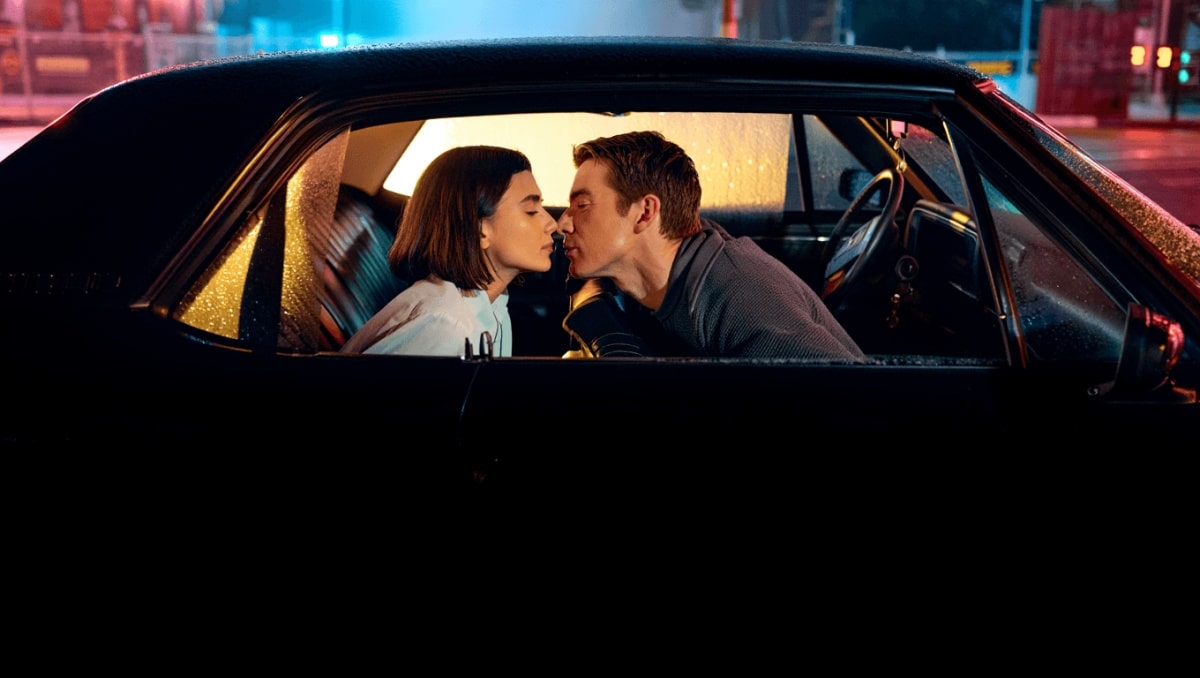
At its center, Anima feels less like a technology thriller and more like a character study on wheels. Beck, played by Sydney Chandler, is an engineer with few social graces. She takes a job with a company promising to upload human consciousness into a cloud. Her assignment: drive a client to his final appointment.
Nas slams music industry over disrespect: teases new music, vows to address it
1992 vocal performances: 3 jaw-dropping moments that still amaze
The client, Paul, portrayed by Takehiro Hira, plans to have his mind copied to a data system and then be put to death. The premise could suggest a cold, detached world. Instead, the film keeps its focus on small, human exchanges.
Detours that reveal character and pasts
Paul insists on making stops before his transfer. Each detour peels back both his history and Beck’s guarded layers. These encounters feel lived‑in and surprising.
- A glamourous poolside woman who radiates ease and warmth.
- An American colleague who greets Paul like a returning star.
- A shy shop clerk who confides in an AI modeled on a TV cult figure.
With every visit, Beck watches the life Paul is leaving. At the same time, she shares small admissions that expose her vulnerabilities. These pauses turn the road trip into a mosaic of regrets and miniature reconciliations.
Performances: quiet work that earns every beat
Director Brian Tetsuro Ivie keeps the film lean and precise. Chandler and Hira build an uneasy rapport that slowly warms. Their chemistry feels earned rather than scripted.
From friction to fragile trust
The pair move through tones: clipped and rude, then tentative, then unexpectedly tender. Dialogue often reads like an exchange between strangers learning how to listen.
Chandler’s Beck hides pain behind sarcasm. Hira’s Paul balances world‑worn charm with secret regrets. Together they make the film feel intimate and alive.
Visual language and sound: mood over spectacle
Anima uses color and silence to underline character shifts. Many scenes start in cool blues and grays. As relationships soften, the palette warms.
Music is used sparingly. Moments without a soundtrack emphasize ambient sounds: the car’s engine, wind, a river’s hush. When a pop song appears, it lands like an emotional admission.
What the film asks about tech and the self
The narrative frames a modern ethical question: if a mind can be uploaded, what does it cost the living? The film never solves the dilemma. Instead, it probes how memory and regret shape who we are.
- Mortality: The transfer plan forces characters to confront endings.
- Connection: Small acts of honesty become more important than any digital backup.
- Choice: The stops on the road highlight lives made and lives left behind.
The screening on which this review is based took place at SXSW.










