
Show summary Hide summary
- My Chemical Romance — Why “Welcome to the Black Parade” Became an Anthem
- Fall Out Boy — How “Sugar, We’re Goin Down” Stayed Stuck in Heads
- Panic! At The Disco — The lasting pull of “I Write Sins Not Tragedies”
- Paramore — Why “Misery Business” Still Resonates
- 30 Seconds to Mars — The magnetism of “The Kill (Bury Me)”
- Why These Five Tracks Keep Reappearing in Playlists
- Rediscovering the Songs: Tips for a Nostalgia-Driven Playlist
- How These Songs Still Influence New Artists
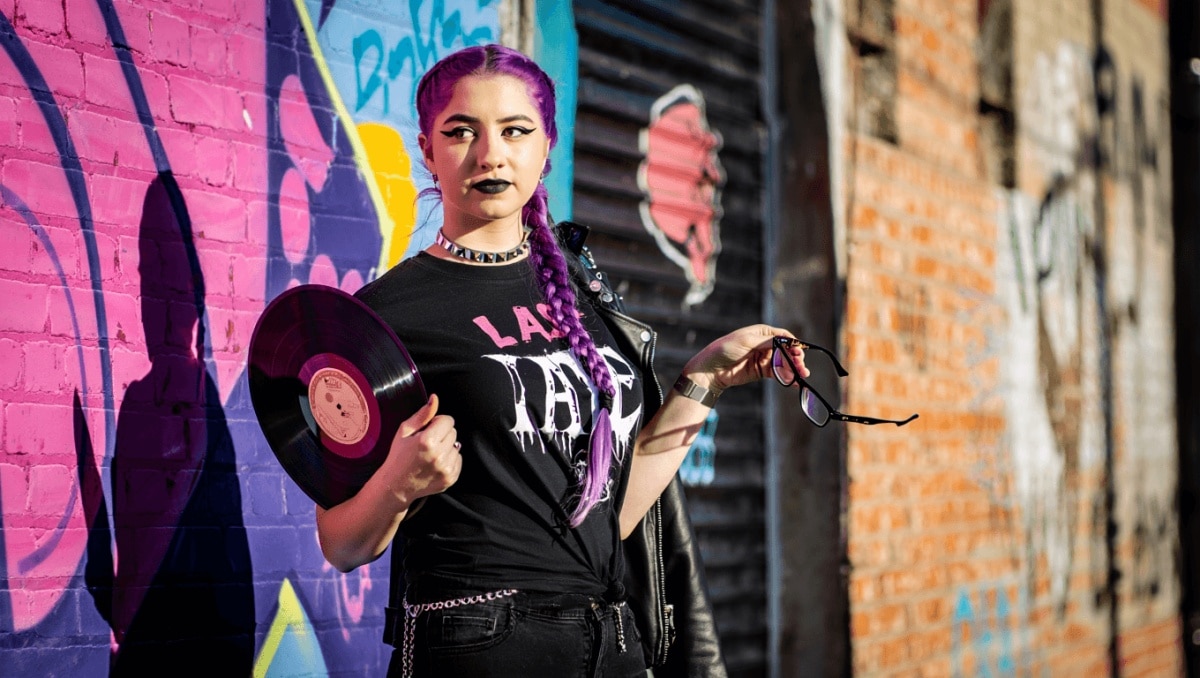
The songs that soundtracked basements, warped MySpace profiles, and midnight car rides still surface in playlists. For many who grew up in the scene, a handful of tracks trigger instant memory. They carry the smell of cheap perfume, black eyeliner, and the urgent belief that music could fix everything.
My Chemical Romance — Why “Welcome to the Black Parade” Became an Anthem
This dramatic opener felt like rescue. From the piano intro to the stadium-ready chorus, it turned grief into a singalong. Fans remember the pomp of marching-band drums and the storytelling. It sealed My Chemical Romance as emo royalty.
Nas slams music industry over disrespect: teases new music, vows to address it
1992 vocal performances: 3 jaw-dropping moments that still amaze
- Iconic lyric: the opening line that many still hum.
- Emotional pull: catharsis packaged as a rock opera.
- Visuals: black uniforms and theatrical music videos that defined an era.
Fall Out Boy — How “Sugar, We’re Goin Down” Stayed Stuck in Heads
Its hook was irresistible. A jagged guitar riff, warped metaphors, and a chorus that begged for shouting made the song a staple. It bridged pop-punk and radio, pulling scene sensibilities into the mainstream.
- Hook: immediate and singable.
- Cross-over appeal: helped bring emo culture into wider ears.
- Legacy: still used in movie soundtracks and nostalgic playlists.
Panic! At The Disco — The lasting pull of “I Write Sins Not Tragedies”
Brendon Urie’s theatrical voice and a circus-like arrangement made this song unforgettable. It was witty and dark at once. The chorus became a rite of passage at high school parties.
- Stage presence: dramatic delivery that begged for performance.
- Memorable chorus: the kind you sing loudly with friends.
- Cultural stamp: often the first emo-era earworm people name.
Paramore — Why “Misery Business” Still Resonates
Hayley Williams’ punchy vocals and confessional lyrics gave this track real attitude. It pushed female-fronted emo onto the map. The song is both teenage defiance and an unfiltered emotional snapshot.
- Vocal power: raw and immediate.
- Relatability: competitive heartbreak sung with a grin.
- Revivals: periodically resurfaces in viral videos and covers.
30 Seconds to Mars — The magnetism of “The Kill (Bury Me)”
This track swapped melodrama for intimacy. Its echoing guitars and strained chorus built a moment of intensity. Many scene kids learned to scream along, then turn the volume down to think.
- Atmosphere: cinematic and claustrophobic in a good way.
- Lyricism: ambiguous lines that invite repeat listens.
- Performance: live shows that amplified the emotional heat.
Why These Five Tracks Keep Reappearing in Playlists
They share a few traits that make them unforgettable. Each has a distinctive hook. Each blends vulnerability with melody. And each captured a moment in youth culture.
- Memorable hooks: short musical ideas that loop in your head.
- Emotional truth: lyrics that felt like private confessions.
- Visual identity: videos and fashion that fed fan communities.
Rediscovering the Songs: Tips for a Nostalgia-Driven Playlist
If you want to recreate that era, mix hits with lesser-known tracks. Add B-sides, live cuts, and covers for texture. Keep tempo variety to avoid fatigue.
- Start with the five anthems above.
- Include a few deep cuts from the same bands.
- Sprinkle acoustic versions to change the mood.
- End with a slow, reflective track to let the feelings settle.
How These Songs Still Influence New Artists
New bands lift the drama, hooks, and confessional lyrics. Producers borrow the reverb-heavy guitars and tight drum sounds. The scene’s emotional language remains a template.
- Sound motifs: vocal tremble, gang vocals, echo-laden riffs.
- Lyric themes: identity, heartbreak, rebellion.
- Visual cues: eyeliner, bold hair, DIY aesthetics cropping up in videos.










