
Show summary Hide summary
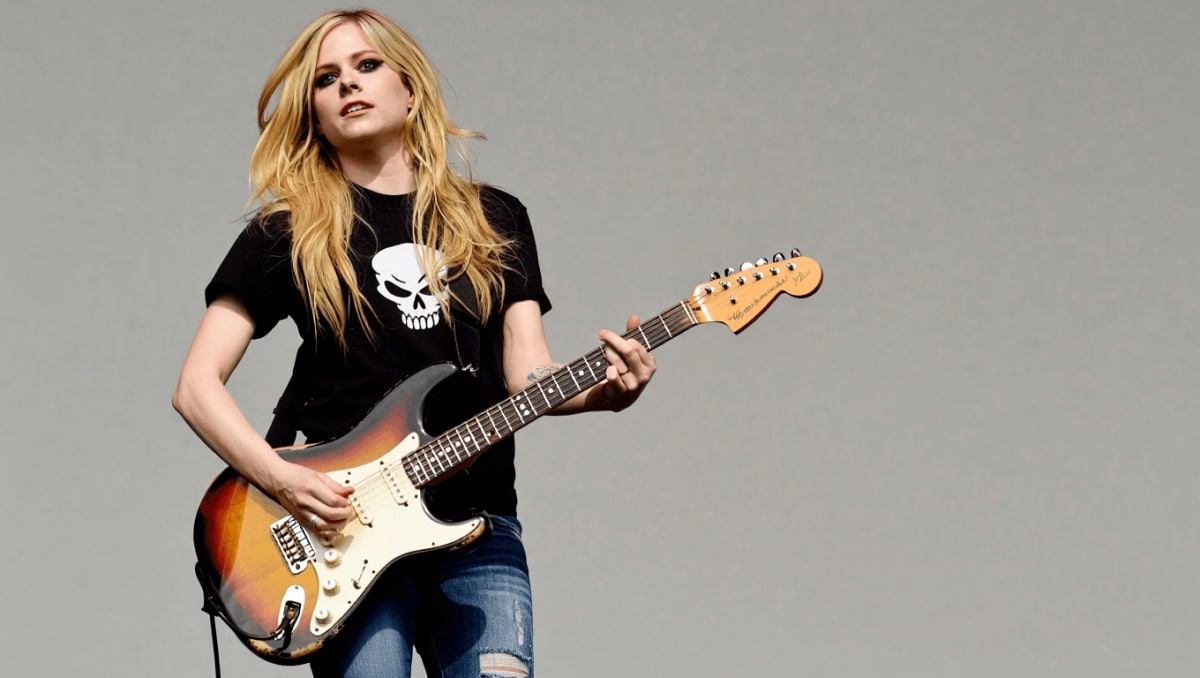
When Avril Lavigne arrived on radio and MTV in the early 2000s, she brought more than songs. Her image—equal parts rugged, crafty, and approachable—felt like something fans could make in their own bedrooms. That DIY vibe quickly became as recognizable as her voice, shaping fashion, music videos, and a generation’s idea of what pop-punk could look like.
How a DIY Look Became a Cultural Signature
Avril’s aesthetic wasn’t polished by fashion houses. It looked lived-in and personal. That authenticity resonated with young fans who wanted style, not a uniform.
- Accessible style: Pieces that could be thrifted or altered at home.
- Personalized details: Safety pins, hand-drawn logos, and layered fabrics.
- Anti-glamour: A deliberate move away from red-carpet finishes.
Nas slams music industry over disrespect: teases new music, vows to address it
1992 vocal performances: 3 jaw-dropping moments that still amaze
The result was an image that felt sustainable and sincere. It suggested that anyone could adopt elements of the look without investing in designer labels.
Key Visual Elements Behind the Homemade Feel
Avril’s visual language fused streetwear with punk codes. Each element communicated attitude as much as taste.
Clothing and silhouette
She favored straight lines and loose fits. Polo shirts, ties, and cargo pants mixed with feminine cuts. The contrast created a signature silhouette.
Accessories and DIY touches
Accessories often served as statements. Think mismatched wristbands, canvas belts, and bolo ties. Many items appeared customized or repaired.
- Worn-in sneakers or skate shoes
- Layered necklaces and bracelets
- Handwritten slogans on tees
Hair, makeup, and presentation
Hair was deliberately undone: streaks, ponytails, and choppy cuts. Makeup highlighted eyes rather than skin. The approach was to look found, not fabricated.
These choices reinforced the idea that the style was personal, not produced.
Visual Storytelling in Music Videos and Photos
Avril’s videos and photos translated the homemade aesthetic into cinematic terms. Sets often resembled familiar spaces—a garage, a school hallway, a living room—rather than staged backdrops.
- Handheld camera shots for intimacy
- Raw lighting and minimal retouching
- Scenes of camaraderie with friends and fans
Directors and stylists emphasized gesture over glamour. The footage suggested a narrative: the artist as peer, not idol.
How the Sound Reinforced the Look
The music itself matched the clothing. Pop-punk riffs, candid lyrics, and energetic performances felt honest and immediate. That sonic authenticity made the visual choices believable.
- Rough guitar tones paired with catchy hooks
- Confessional lyrics that sounded like notes passed between friends
- Live performances that emphasized raw energy
When visuals and sound align, a cohesive identity forms. Avril’s package presented a unified message: do-it-yourself creativity matters.
Influence on Fashion, Music, and Fan Culture
The homemade aesthetic rippled outward. Teen magazines, mall brands, and online communities picked up the cues. Fans reproduced looks on message boards and in photo swaps.
- DIY tutorials for clothing alterations
- Fan-made zines and mixtapes echoing the aesthetic
- Emerging artists adopting similar visual codes
Designers later revisited the era, translating those raw elements into higher-end collections. Yet the original appeal remained the sense of ownership fans felt over the look.
Why It Still Matters Today
More than nostalgia, Avril’s homemade aesthetic offers a model for modern artists. In an era of curated feeds, looks that appear personal stand out. Brands and musicians continue to borrow from that blend of imperfection and intent.
The takeaway is simple: personal expression can be powerful marketing. When style reads as authentic, it fuels connection.










