
Show summary Hide summary
- Kendrick Lamar’s claimed album ranking — the list people keep citing
- Why an artist’s ranking may not settle the debate
- Track-by-track impact: what each album contributes to Kendrick’s legacy
- Where I part ways with Kendrick’s order
- An alternative ranking based on influence and craft
- How to judge an artist’s catalog fairly
- Fan reaction and the role of debate in music culture
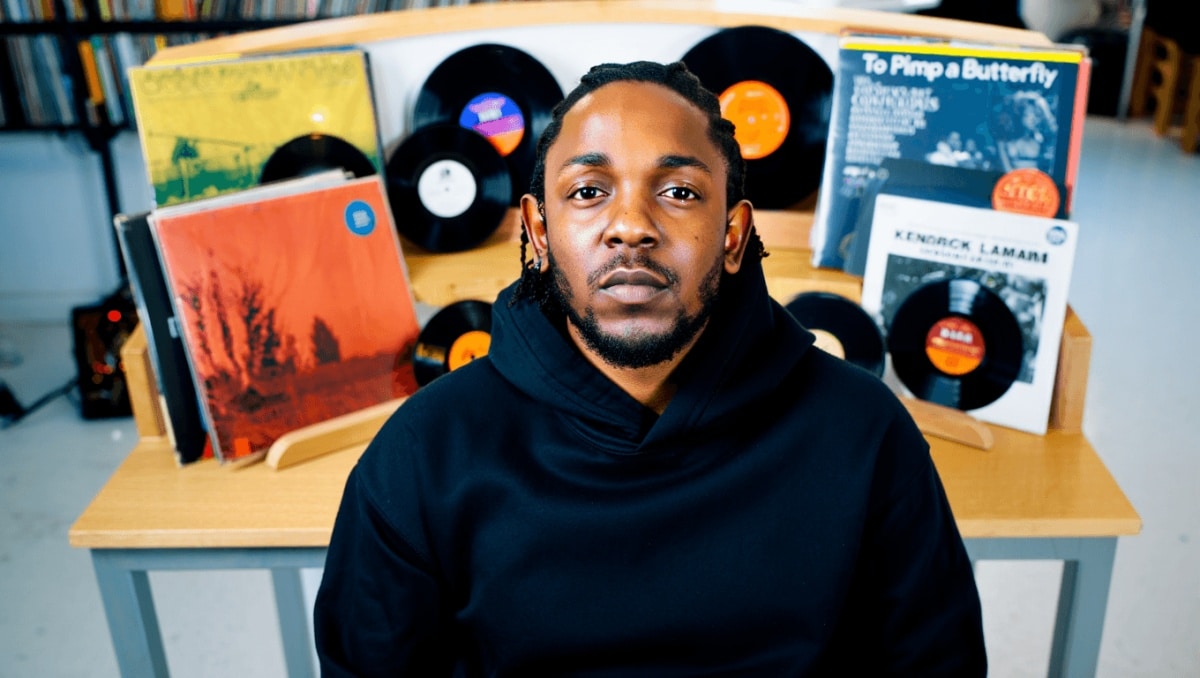
Kendrick Lamar’s reflections on his own catalog have ignited a fresh conversation among fans and critics. Whether you treat his self-assessment as humble honesty or strategic humility, any ranking from the artist himself invites debate. Below, I lay out the order often attributed to Kendrick, then unpack why that list might not hold up against the music, context, and cultural footprint of each record.
Kendrick Lamar’s claimed album ranking — the list people keep citing
Reports and interviews suggest Kendrick would order his studio albums like this. Take it as a snapshot of how an artist sees his own work at a moment in time.
Nas slams music industry over disrespect: teases new music, vows to address it
1992 vocal performances: 3 jaw-dropping moments that still amaze
- To Pimp a Butterfly
- good kid, m.A.A.d city
- DAMN.
- Mr. Morale & The Big Steppers
- Section.80
- untitled unmastered.
Why an artist’s ranking may not settle the debate
When musicians rank their own work, they mix craft with memory. The result is personal and not always objective.
- Artists weigh process, not just product.
- Context matters: what an album meant during its creation differs from its cultural afterlife.
- Fan and critic values diverge from the artist’s emotional calculus.
So Kendrick’s personal order tells us more about him than it does about the records’ lasting impact.
Track-by-track impact: what each album contributes to Kendrick’s legacy
To Pimp a Butterfly — a cultural earthquake
This album shifted the conversation. It fused jazz, funk, and spoken-word urgency.
- Its themes on race and identity reverberated beyond music.
- Critically, it transformed how hip-hop could engage with history and politics.
If one album stakes a claim as transformative, this is it.
good kid, m.A.A.d city — storytelling at its cinematic best
The record mapped Compton through narrative arcs and cinematic detail.
- It brought mainstream attention to Lamar’s storytelling finesse.
- Many listeners cite it as the gateway into Kendrick’s world.
DAMN. — precision and mainstream reach
DAMN. trimmed the sonic excess and sharpened hooks without losing depth.
- It balanced radio-friendly songwriting with philosophical lines.
- Its commercial success widened Kendrick’s audience globally.
Mr. Morale & The Big Steppers — personal introspection, polarizing turns
This record dug into therapy, fatherhood, and public scrutiny.
- Its vulnerability divided listeners.
- Some found its honesty refreshing; others wanted clearer artistic cohesion.
Section.80 — an early manifesto
As an early statement, Section.80 showed Kendrick’s hunger and narrative seeds.
- It captures raw potential and thematic themes that matured later.
untitled unmastered. — experiments and glimpses
This collection offered glimpses into improvisation and creative freedom.
- It reads as a companion piece, not a core studio statement.
Where I part ways with Kendrick’s order
Respecting an artist’s view is easy. But I disagree with this ranking for three simple reasons.
- Cultural footprint: Some albums shifted culture more than the artist’s private valuation suggests.
- Longevity over momentary emotion: Time reveals which records keep growing.
- Artistic risk vs. polish: Bold experiments deserve extra weight, even if they felt raw at release.
An alternative ranking based on influence and craft
Here’s a reorder that weighs cultural impact, innovation, and songwriting together.
- To Pimp a Butterfly — for reshaping the genre’s political voice.
- good kid, m.A.A.d city — for unmatched narrative craftsmanship.
- DAMN. — for marrying depth with mainstream reach.
- Mr. Morale & The Big Steppers — for emotional bravery and modern therapy-era themes.
- Section.80 — for planting seeds that grew into landmark records.
- untitled unmastered. — valuable, but more of a creative appendix.
How to judge an artist’s catalog fairly
Ranking albums is part taste, part method. To make it useful, consider criteria that are measurable.
- Artistic innovation: Did it change listeners’ expectations?
- Social and cultural impact: Did it alter conversations beyond music?
- Songwriting durability: Do songs still reward repeated listens?
- Production and performance: Did it push sonic boundaries?
A thoughtful ranking blends these axes rather than relying on sentiment alone.
Fan reaction and the role of debate in music culture
Arguments over order keep discs alive. Fans defending favorites spur replays and rereads.
- Debate helps albums find new listeners.
- It also refines how we think about art, legacy, and growth.
Regardless of any list, the discussion proves Kendrick’s records matter.










