
Show summary Hide summary
- Boy George opens up about AI in his songwriting process
- What AI actually brings to the lyric-writing table
- Practical examples artists are using now
- Legal and ethical questions surrounding AI in music
- How listeners and the market are reacting
- Tips from Boy George for artists exploring AI
- Where the conversation about AI and music goes next
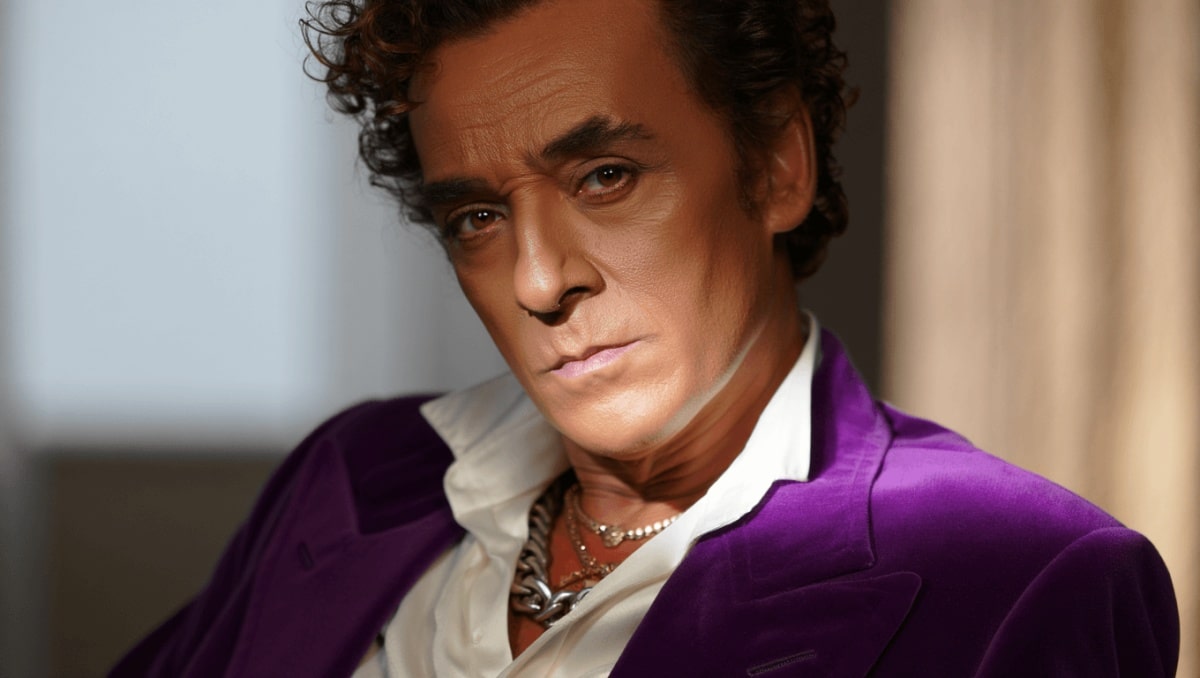
Boy George says he leans on artificial intelligence to spark new lines, and he credits the tech with sharpening his lyric-writing craft. In recent interviews the singer reflected on how AI tools have become part of his creative toolkit, not as a replacement but as a collaborator that pushes him into unexpected territory. His remarks add nuance to the ongoing debate about machines in music.
Boy George opens up about AI in his songwriting process
George O’Dowd, known worldwide as Boy George, has long mixed pop sensibility with candid storytelling. Now he’s experimenting with generative AI to coax fresh phrasing and new angles for his songs. He describes the software as a prompt-driven partner that can suggest images, turns of phrase, and alternate rhymes.
Nas slams music industry over disrespect: teases new music, vows to address it
1992 vocal performances: 3 jaw-dropping moments that still amaze
He emphasizes that AI is not creating finished songs on its own. Instead, it offers fragments and ideas that he edits, reshapes, and integrates into his own voice. For him, the machine is a creative stimulant rather than a ghostwriter.
What AI actually brings to the lyric-writing table
Musicians often need a nudge when a line won’t resolve. AI can supply that nudge in several practical ways:
- Generating a wide range of rhyming or slant-rhyme options.
- Offering image-driven metaphors from different eras or cultures.
- Suggesting emotional tone shifts—darker, more playful, or ironic.
- Producing alternative choruses or bridge concepts to test.
Boy George says the tool broadens his palette, revealing directions he might not try alone.
How he integrates suggestions into real songs
He inputs themes or a first line, then reviews dozens of outputs. Some ideas are discarded; others become seeds. He rephrases suggestions until they sound like his own. The final lyric is always filtered through his sensibility.
Practical examples artists are using now
Across the industry, creators use AI for different tasks. These are common workflows:
- Brainstorming themes or title ideas at the start of a project.
- Finding alternative phrasings for stubborn lines.
- Translating emotional intent into concrete images.
- Testing lyrical structures for chorus and verse placement.
Some musicians combine AI text output with melody generators. Others use AI purely as a text editor to clean up meter and cadence.
Legal and ethical questions surrounding AI in music
The rise of machine-assisted songwriting has raised legal and moral concerns. Copyright law struggles to define ownership when algorithms are involved. Who owns a phrase suggested by a model trained on archived lyrics?
Industry groups are debating policies. Many artists call for transparency about how datasets were constructed. Others demand safeguards to stop models from regurgitating lines that closely mirror existing songs.
Boy George acknowledges these problems but frames them as separate from the tool’s creative value. He calls for responsible use and clearer rules to protect songwriters.
How listeners and the market are reacting
Fans tend to care about the end result, not the process. If a song resonates, most listeners won’t probe how it was written. Yet critics and purists sometimes view AI as a shortcut that could erode craft.
Streaming platforms and labels are also watching. Songs with AI-assisted elements may face questions in metadata and rights management. That has practical implications for royalties and credits.
Tips from Boy George for artists exploring AI
- Use AI as a prompt, not an author. Keep control of the final voice.
- Experiment with tiny inputs to see how the model responds.
- Combine AI suggestions with your own edits to preserve authenticity.
- Document sources and keep records of how lines were developed.
- Respect existing works and avoid outputs that replicate them.
He stresses the value of curiosity and discipline when adopting new techniques. For him, technology is useful when it expands imagination.
Where the conversation about AI and music goes next
Debate will continue as tools become more sophisticated. Questions about authorship, transparency, and revenue splits will shape policy and practice. Many artists will keep testing AI while demanding clearer boundaries.
Boy George remains an outspoken example of an artist who blends old-school craft with new tools. His willingness to talk about the process helps frame the discussion about creativity in the AI era.










