
Show summary Hide summary
- Pusha T’s take on lyricism and what’s evolved
- How the industry’s mechanics changed the art
- Why this trend is not necessarily harmful
- Where lyricism still holds weight
- How artists are adapting without abandoning lyricism
- Listener choices and the future of rap
- Practical tips for rappers navigating the shift
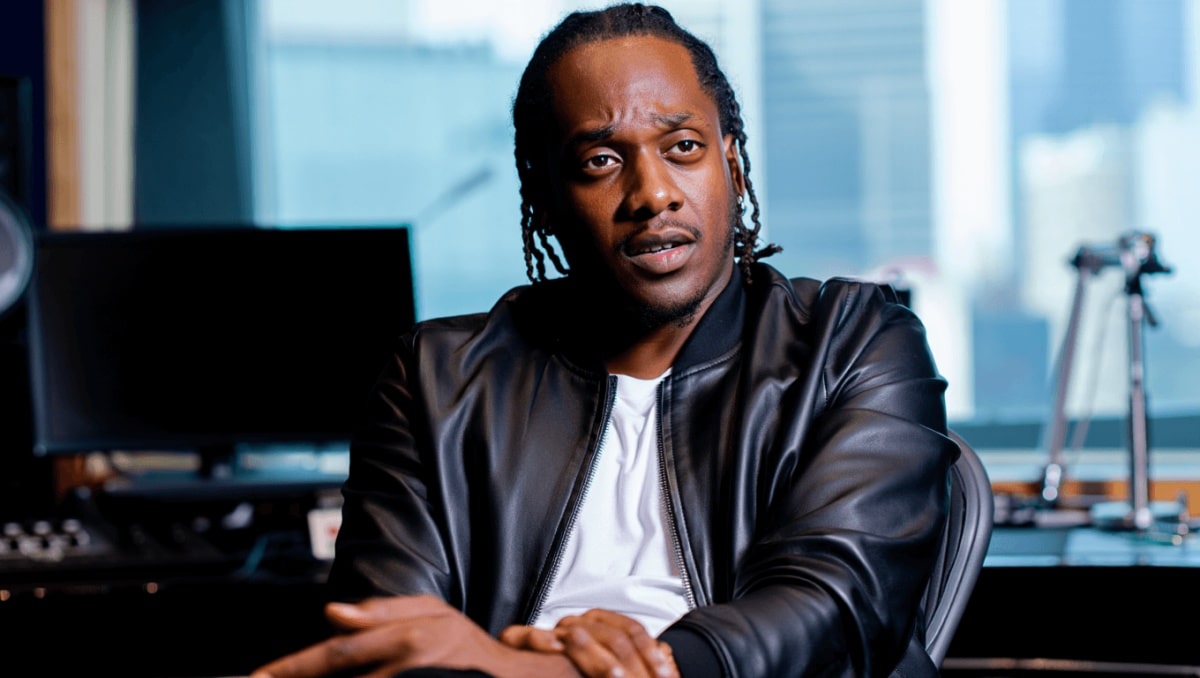
Pusha T says the rules of rap have changed. In recent interviews he argued that tight rhyme schemes and dense wordplay no longer hold the same sway. Instead, he points to mood, production, and cultural context as the new barometers of success for many artists. His view has sparked debate across hip-hop circles about what matters most in modern rap.
Pusha T’s take on lyricism and what’s evolved
Pusha T frames the conversation as a shift rather than a loss. He acknowledges lyricism’s historic role in hip-hop. Yet he also notes that music consumption habits and production priorities have altered the landscape.
Smashing Pumpkins reunite with legendary 90s producer Butch Vig on new Hunger Games track
U.K. terror plot: what we know and why the Gulf remains in limbo
- Context matters: Streaming and playlist culture prioritize immediate hooks.
- Sound over syllables: Many tracks succeed because of atmosphere and beat work.
- Different skill sets: Some artists focus on melody, vibe, or persona instead of dense bars.
How the industry’s mechanics changed the art
Three industry forces shape the present form of rap. Streaming platforms reward short attention spans. Social media amplifies moments. Producers craft ear-catching sounds that translate well on headphones and TikTok.
Streaming and playlist influence
Playlists prefer tracks that hook quickly. That alters songwriting. Artists now aim for instant recognition over slow-burn lyrical reveals.
Social platforms and viral moments
A 15-second clip can launch a song. Viral hooks often override lyrical complexity. The focus shifts to memorable lines or gestures that fit short-form video.
Why this trend is not necessarily harmful
Pusha T suggests that evolution is natural. Hip-hop has reinvented itself many times. Emphasizing different elements does not erase lyricism.
- Diversity of expression: New approaches add more options for artists.
- Room for specialization: Some musicians will prioritize lyrics, others energy or production.
- Historical cycles: Movements that favor one approach often invite counter-movements.
Where lyricism still holds weight
Even as priorities shift, lyrical skill remains influential in several spaces. Battlerap scenes, certain albums, and critical discourse still prize verbal dexterity.
- Underground hip-hop communities value intricate lyricism.
- Certain landmark albums are judged by their lyric content.
- Rap critics and dedicated listeners still highlight complex bars.
How artists are adapting without abandoning lyricism
Many rappers blend modern production with sharp writing. They use concise wordplay and memorable lines within atmospheric tracks. Others adjust structure to fit streaming patterns while keeping lyrical integrity.
- Shorter verses that land a punchy hook.
- Collaborations that pair lyricists with melodic performers.
- Experimentation with song form to balance art and reach.
Listener choices and the future of rap
Pusha T’s comments double as a prompt for listeners. Choice shapes what artists make. If audiences reward lyrical depth, labels and creators will respond. If listeners favor vibe and shareability, those elements will dominate.
How listeners can steer the culture
- Seek out albums and artists who prioritize words.
- Support independent releases that emphasize craft.
- Share and promote songs whose writing matters to you.
Practical tips for rappers navigating the shift
For emerging artists, Pusha T’s viewpoint offers strategic clarity. You can build a brand through bars, sound, or both. Here are actionable ideas to balance artistry with reach.
- Focus on unforgettable lines that fit short clips.
- Invest in production that enhances your voice.
- Collaborate with producers and vocalists to expand your sonic palette.
- Release singles that hook, then follow with projects that showcase depth.










