
Show summary Hide summary
- From chart-topper to financial collapse: the turning point
- How faith became a new stage for MC Hammer
- The “Holy Ghost” events and a lively revival
- Community work, mentorship, and life after fame
- What MC Hammer’s story teaches about reinvention
- How the music world responded
- Legacy in progress: more than a comeback
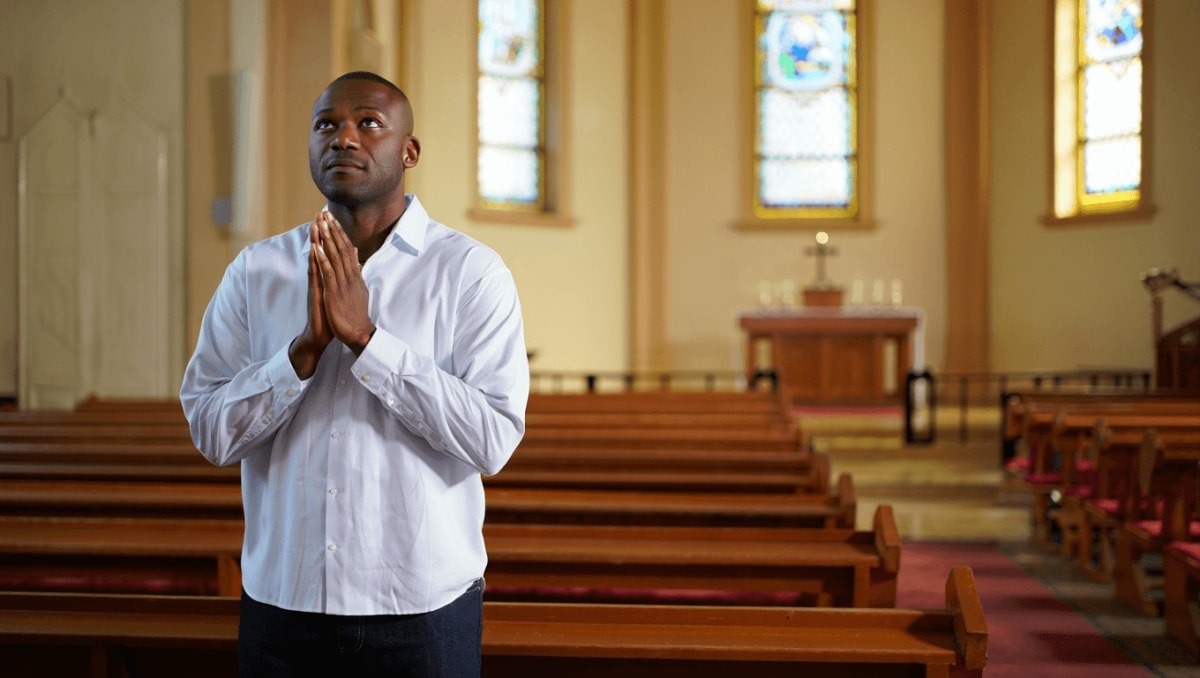
MC Hammer’s fall from pop superstardom to personal reinvention reads like a parable of fame, faith, and resilience. After the glitz and multimillion-dollar spending of the late 1980s and early 1990s, the rapper faced legal battles and bankruptcy. He then turned to a different pulpit: the church, where music, ministry, and community became the tools of his comeback.
From chart-topper to financial collapse: the turning point
In the early 1990s, MC Hammer was a household name. His catchy hooks and energetic performances made him one of hip hop’s first global stars.
Nas slams music industry over disrespect: teases new music, vows to address it
1992 vocal performances: 3 jaw-dropping moments that still amaze
But lavish tours, large payrolls, and ambitious business ventures strained his finances. By the mid-1990s, he declared bankruptcy.
The collapse didn’t erase his public persona. It forced a reckoning about priorities and purpose.
How faith became a new stage for MC Hammer
Raised in a Christian environment, Hammer returned to spiritual roots after his financial fall. He shifted from nightclub stages to church platforms.
His faith-led pivot included gospel collaborations and community outreach. Music remained central, but the message changed.
Blending gospel and hip-hop
- He infused gospel themes into hip-hop beats.
- He performed at church events and faith-based gatherings.
- He used his celebrity to draw new audiences to worship spaces.
The “Holy Ghost” events and a lively revival
One of Hammer’s notable moves was hosting energetic church gatherings. These often mixed sermon, sermonette, and high-energy performance.
Attendees described the atmosphere as celebratory and inclusive. The phrase “Holy Ghost party” captured that fusion of worship and entertainment.
These events helped him rebuild trust with fans and local communities.
Community work, mentorship, and life after fame
Beyond music, Hammer focused on mentorship and local initiatives. He took part in youth programs and spoke about financial responsibility.
His public transformation became an example many cited when discussing second acts in celebrity life.
Practical steps he emphasized
- Accountability with finances and staff.
- Investing time in spiritual and personal growth.
- Using fame to lift community projects.
What MC Hammer’s story teaches about reinvention
His journey shows fame can be fleeting. Faith and service can offer a sustainable path forward.
Reinvention can mean returning to your core values and reshaping public identity around lasting work.
How the music world responded
Some peers welcomed his return to gospel-infused performance. Others saw it as a natural evolution for an artist seeking meaning.
Either way, his presence in church circles bridged cultural gaps between secular hip hop and religious audiences.
Legacy in progress: more than a comeback
Today, Hammer remains a complex figure: an entertainer, a former mogul, and a man of faith. His efforts in ministry and mentorship continue to ripple.
His story endures as a study in the costs of rapid success and the resilience required to start anew.










