
Show summary Hide summary
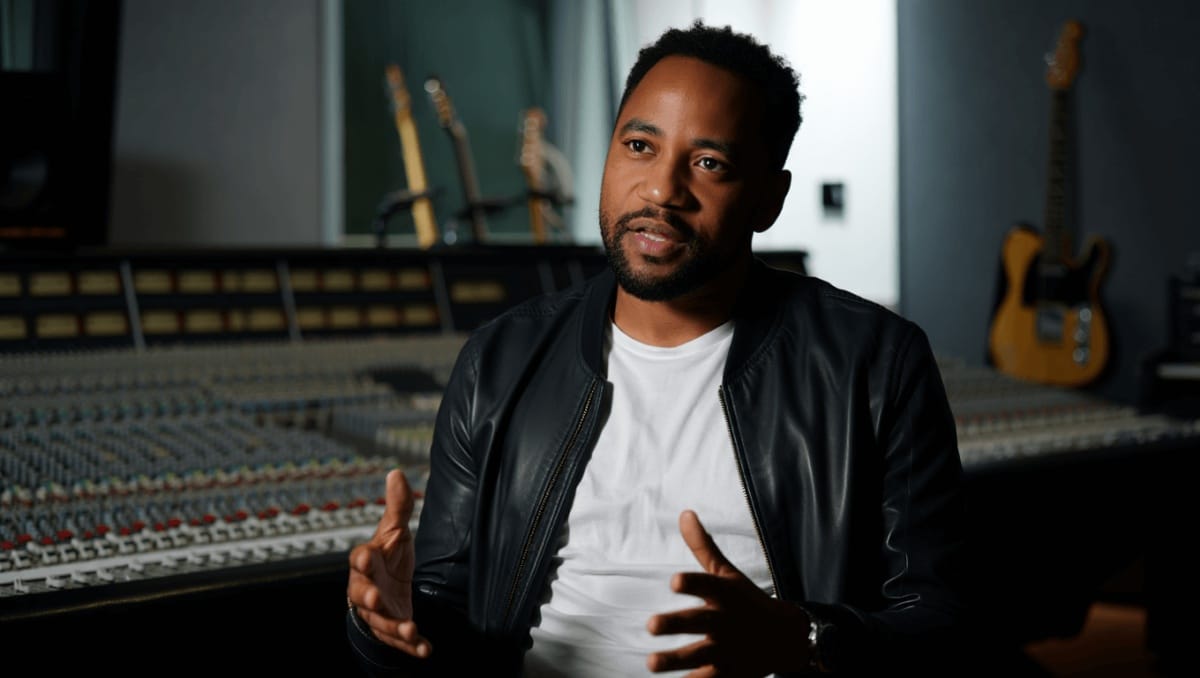
Raphael Saadiq has reignited a long-running debate about genre labels after rejecting the phrase “neo-soul” as a useful description for artists like D’Angelo. In a recent conversation, the veteran musician argued that the label flattens diverse creative expressions into a single marketing tag. His comments have prompted fresh discussion among fans, critics, and fellow musicians.
Why Saadiq says “neo-soul” falls short
Saadiq framed his objection around the idea that genres can become boxes. He suggested that once a term gains traction, it can overshadow the music itself.
Nas slams music industry over disrespect: teases new music, vows to address it
1992 vocal performances: 3 jaw-dropping moments that still amaze
- Too narrow: The phrase can reduce varied sounds to one tidy category.
- Marketing born label: Some genres exist more in press rooms than in studios.
- Creative limits: Labels may pressure artists to repeat a formula.
How he described D’Angelo’s music instead
Rather than accept a catch-all tag, Saadiq offered a more textured reading of D’Angelo’s work. He emphasized musicianship, emotion, and historical roots over tidy classification.
Key qualities Saadiq highlighted
- Deep vocal phrasing and improvisation.
- Rootedness in classic soul and jazz traditions.
- Complex arrangements that defy simple labeling.
Saadiq argued D’Angelo is better seen as a continuation of soul’s lineage than a product of a new subgenre.
Where the term “neo-soul” came from and why it stuck
The label emerged in the 1990s as critics and record labels sought to describe a wave of artists blending R&B, jazz, and hip-hop sensibilities. It helped spotlight a roster of innovative singers and producers.
- Helped audiences discover new artists.
- Offered an alternative to mainstream pop-R&B charts.
- Sometimes created expectations about sound and style.
Reactions from musicians and critics
Responses to Saadiq’s remarks have varied. Some artists agree that categories can be limiting. Others say labels provide useful cultural context.
- Supporters: Labels can pigeonhole artists and stifle growth.
- Opponents: Genres help fans find music and preserve cultural ties.
- Neutral voices: Terms are tools; their usefulness depends on intent.
What this debate means for modern R&B and soul
The conversation is part of a broader reassessment of how we name music. Streaming, playlists, and global influences are already reshaping how listeners discover sounds.
Possible outcomes
- Artists may reject labels publicly while their music fills multiple playlists.
- Critics might adopt more descriptive language focused on influences.
- Fans could embrace fluid categories that reflect hybrid styles.
The question remains: should genre names guide listeners or simply describe them?










