
Show summary Hide summary
- Why listeners linked A$AP Rocky with Tupac
- How A$AP Rocky reacted to the comparison
- Pressure and expectation during his breakthrough
- How it shaped his artistic choices and image
- Broader conversation about legacy in hip-hop
- What Rocky’s reflections tell us about influence
- Where the conversation goes from here
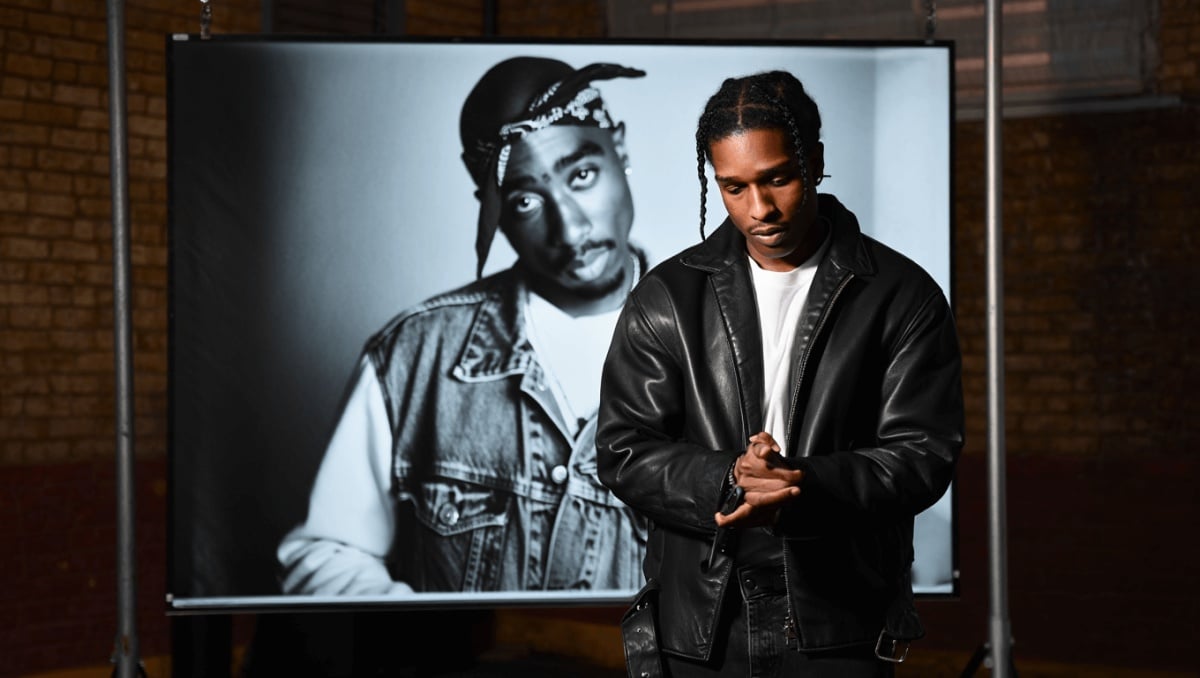
When A$AP Rocky first burst into the mainstream, fans and critics quickly reached for a bold comparison: some saw echoes of Tupac Shakur in Rocky’s presence and ambition. That reaction shaped conversations around his music and image, and Rocky has since reflected on how those early comparisons influenced his growth as an artist.
Why listeners linked A$AP Rocky with Tupac
In the late 2000s and early 2010s, Rocky’s mix of cinematic beats and charismatic delivery made a loud impression. Listeners often cited:
Nas slams music industry over disrespect: teases new music, vows to address it
1992 vocal performances: 3 jaw-dropping moments that still amaze
- charisma and screen-ready persona that invited larger-than-life comparisons
- lyrical moments that touched on struggle and street life
- a willingness to blend music with fashion and visual storytelling
Those elements, combined with social media buzz, led some fans to evoke Tupac’s name.
How A$AP Rocky reacted to the comparison
Rocky has described the comparison as flattering but complex. He recognized Tupac’s towering legacy and understood why fans searched for echoes of that figure in new talent.
Respect without imitation
Rather than mimic, Rocky leaned toward honoring influences while crafting his own path. He absorbed what resonated and rejected easy mimicry.
Pressure and expectation during his breakthrough
Being likened to a legend created extra pressure. Rocky felt the weight of expectations around political voice, artistic depth, and cultural leadership.
- Fans wanted a prophetic or activist role similar to Tupac’s.
- Critics measured Rocky against a different era and set of struggles.
- Rocky had to balance growth with audience assumptions.
How it shaped his artistic choices and image
The comparison nudged Rocky to clarify his identity. He experimented widely, from psychedelic rap to glossy fashion statements. His work became a conversation between influence and innovation.
Sound and collaborations
- He pursued diverse producers and unexpected features.
- He used visuals and fashion to expand the conversation.
- He emphasized personal narratives over direct homage.
Broader conversation about legacy in hip-hop
Rocky’s experience highlights a recurring theme in rap: new stars are often measured against the greats. That comparison can honor a lineage while complicating creative freedom.
- Fans look for continuity in themes and values.
- Artists balance tribute and originality.
- Critics debate whether comparisons help or hinder careers.
What Rocky’s reflections tell us about influence
Rocky’s response shows a mature approach to influence: he accepts praise, studies the past, and invests in forging his own signature. That path keeps the genre evolving while acknowledging its roots.
Where the conversation goes from here
As Rocky continues to release music and appear in fashion and film, comparisons will persist. Yet his reflections suggest he prefers to be an active part of hip-hop’s future, not just a reflection of its history.










