
Show summary Hide summary
- Why Saltburn’s notorious grave moment matters
- Brontë’s original: Heathcliff, the coffin, and Gothic obsession
- Fennell’s Wuthering Heights: a conscious cut
- Echoes between Saltburn and Wuthering Heights
- Why Fennell might have left the grave scene on the cutting-room floor
- How the films converse: estates, ambition, and intimacy with death
- Public framing, critics, and audience reaction
- Where things stand now
Fans expecting Emerald Fennell to recreate a macabre coffin scene on screen were in for a surprise. The director known for provocation chose a different path for her new take on Wuthering Heights.
Why Saltburn’s notorious grave moment matters
Saltburn, Fennell’s 2023 film, staked her claim as a boundary-pushing filmmaker. One image in particular stuck with viewers: Barry Keoghan’s Oliver visiting Felix’s fresh grave and acting out a disturbing, physical display of grief.
Nas slams music industry over disrespect: teases new music, vows to address it
1992 vocal performances: 3 jaw-dropping moments that still amaze
That sequence was framed as deliberate provocation. It forced audiences to face desire, mourning, and class rage in one compact gesture. Critics and social feeds spent weeks debating how far the scene pushed cinematic taboos.
Fennell later acknowledged that she drew inspiration from a Gothic source: Emily Brontë’s Wuthering Heights. In interviews before she announced her adaptation, she linked the Saltburn moment to the novel’s own grave-centered obsession.
Brontë’s original: Heathcliff, the coffin, and Gothic obsession
In Brontë’s classic, Heathcliff’s grief reaches a horrifying apex. He demands Catherine’s coffin be opened so he can see her face. He plans an arrangement so their graves will touch.
The scene is less about spectacle than it is about a soul unraveling. The act blends mourning, longing, and a perverse intimacy with death. For generations, filmmakers and readers have treated that moment as a key to Heathcliff’s character.
Fennell’s Wuthering Heights: a conscious cut
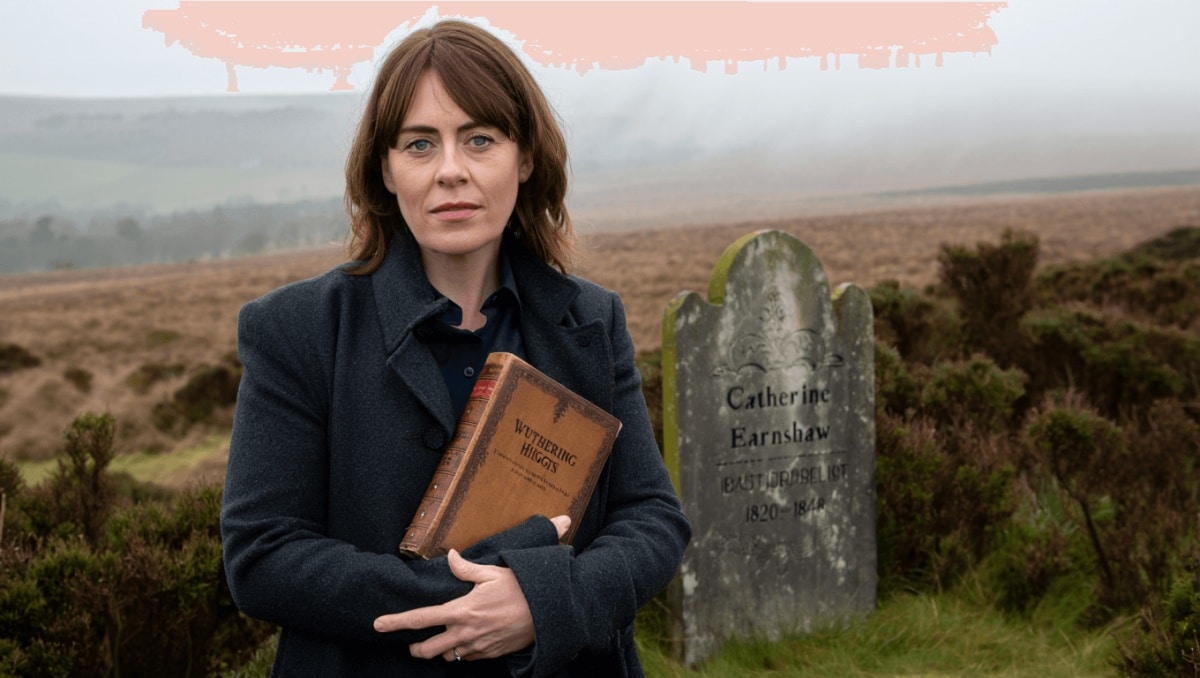
When Fennell adapted Wuthering Heights, she made a striking structural choice: the film stops at Catherine’s death. The second half of the novel — the children, Heathcliff’s revenge, and the grave-desecration — are absent.
That omission matters because the removed material is where Brontë’s most transgressive acts occur. By stopping early, Fennell sidesteps some of the book’s darker crescendos.
Other filmmakers who stopped early
- William Wyler’s 1939 Wuthering Heights avoids the later generation.
- Andrea Arnold’s 2011 version also truncates the novel’s full arc.
- Several other screen versions similarly compress Brontë’s multi-generational story.
Echoes between Saltburn and Wuthering Heights
Even with the grave scene excised, cultural echoes link Saltburn and Brontë’s novel. Saltburn’s plot centers on a newcomer who insinuates himself into a wealthy household.
That social climbing mirrors Brontë’s angles. Cathy’s entanglements with the Lintons and Heathcliff’s long, methodical campaign of retribution both examine class, access, and cruelty.
Saltburn also staged a calculated takedown of a family dynasty. That tactic overlaps with Heathcliff’s manipulations of the Earnshaws and Lintons in the novel’s later chapters.
Why Fennell might have left the grave scene on the cutting-room floor
Publicly, Fennell has described her movie as a recreation of her teenage reading of Brontë. She calls it a personal, adolescent-inflected vision.
That explanation covers many creative choices. But there are other possible reasons for the omission:
- She may have wanted to avoid repeating imagery she already mined in Saltburn.
- Cutting the second half prevents direct comparison to her previous work.
- She might have sought a tighter, emotionally focused film rather than a sprawling revenge saga.
Choosing not to replicate a shock moment can be a deliberate artistic move. It protects an auteur from being defined by a single provocative image.
How the films converse: estates, ambition, and intimacy with death
Both Saltburn and Fennell’s Wuthering Heights linger on grand houses and social theater. They stage intimacy and violence in rooms that also display wealth.
Where Brontë uses the moors to reflect inner turmoil, Fennell uses mansions and parties to ask about belonging. The settings become psychological tools.
Public framing, critics, and audience reaction
On press rounds, Fennell repeatedly invoked her teenage self as the lens for adaptation. That framing has become shorthand for critics trying to reconcile her stylistic risks with literary fidelity.
Some viewers read the cuts as prudence. Others see them as creative reinvention. Both reactions speak to how high-profile adaptations are mined for intent.
Where things stand now
Fennell’s Wuthering Heights is in theaters, and debate over what she left out has already begun. Viewers and commentators continue to map connections between her films.










