
Show summary Hide summary
- How the legal defense set off a celebrity firestorm
- 50 Cent’s public reaction: direct, sharp, and unfiltered
- Why this matters: law, culture, and the limits of expression
- Timeline of key moments in the dispute
- Responses from other artists and public figures
- What analysts say about courtroom defenses claiming artistic intent
- How social media shaped the rapid reaction
- What to watch next in this unfolding clash
When a high-profile legal filing framed extreme, antisemitic imagery as “artistic expression,” Curtis “50 Cent” Jackson reacted in a way only he could — blunt, public, and impossible to ignore. The exchange has become yet another flashpoint in a wider debate about free speech, hate speech, and the responsibilities of artists and their teams.
How the legal defense set off a celebrity firestorm
A recent court filing defending Kanye West’s controversial remarks described some of his statements as protected expression. That legal strategy instantly drew public scrutiny. Critics said it minimized violent and hateful language. Supporters argued it was a necessary shield under free-speech law.
Nas slams music industry over disrespect: teases new music, vows to address it
1992 vocal performances: 3 jaw-dropping moments that still amaze
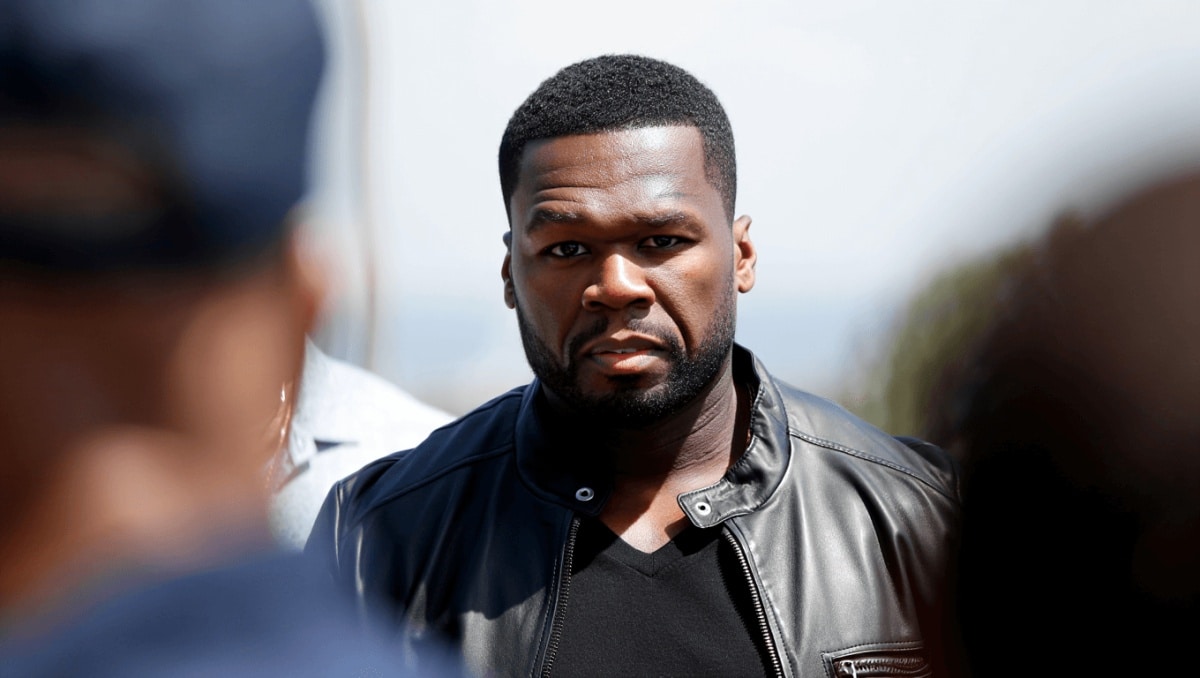
50 Cent’s response was swift and stinging. He used social media to call out the defense, refusing to let the rhetoric slide without comment.
50 Cent’s public reaction: direct, sharp, and unfiltered
Rather than a nuanced essay, 50 Cent opted for punchy, attention-grabbing replies. He posted messages that mixed sarcasm with moral outrage. Those posts quickly circulated across platforms and sparked additional commentary from fans and fellow artists.
- He mocked the idea that hate speech could be thinly glossed as art.
- He emphasized accountability over legal technicalities.
- He urged people to consider the real-world harm of such rhetoric.
Why this matters: law, culture, and the limits of expression
The clash raises a core question: where does artistic license end and dangerous speech begin? Courts often protect controversial work, but they also weigh context and harm. Legal teams arguing in favor of an artist’s statements are trying to navigate that balance.
For many observers, the key issue is intent and impact. Is shock value the goal, or does the work incite or normalize violence?
Timeline of key moments in the dispute
- Controversial comments by Kanye attract backlash.
- Legal counsel files a defense invoking “artistic expression.”
- Public figures, including 50 Cent, respond forcefully online.
- Media outlets amplify the debate about free speech vs. accountability.
Responses from other artists and public figures
Not everyone agreed with 50 Cent. Some defended the lawyer’s argument as a necessary legal posture. Others joined Jackson in condemning rhetoric they see as harmful. The split reflects a larger cultural divide.
- Artists concerned about censorship worry legal limits could chill creative work.
- Civic groups worry legal protection for speech might enable harassment.
- Legal experts point out that courtroom strategies do not equal moral endorsements.
What analysts say about courtroom defenses claiming artistic intent
Legal scholars explain these defenses are common. They often aim to reframe the content as expression rather than an actionable threat. But success varies by jurisdiction and the specifics of the case.
Context matters: the same phrase can be protected in one situation and punishable in another. Courts look at history, audience, and likelihood of harm.
How social media shaped the rapid reaction
Platforms accelerated the story. Viral posts turned a legal brief into a cultural moment within hours. That magnified the pressure on all sides to respond quickly.
- Short, bold statements spread faster than nuanced legal arguments.
- Memes and commentary amplified public sentiment.
- Media outlets repurposed social posts as headlines, driving more traffic back to the dispute.
What to watch next in this unfolding clash
Future court filings may clarify whether the “artistic expression” defense will hold up. Public reactions will continue to influence reputations and partnerships. Meanwhile, the conversation about speech and responsibility shows no sign of fading.
Keep an eye on official court documents and verified statements from the parties involved. Those will determine how the legal theory fares against public backlash and potential consequences.










