
Show summary Hide summary
- Context and timing: the 2018 interview that drew new attention
- Advice for his younger self: themes and takeaways
- Notable quotes and moments from the conversation
- Public response after his death: grief, analysis, and renewed interest
- How the interview shaped Mac Miller’s public image
- Lessons listeners took away and ongoing conversations
- Legacy in music and culture: what remains
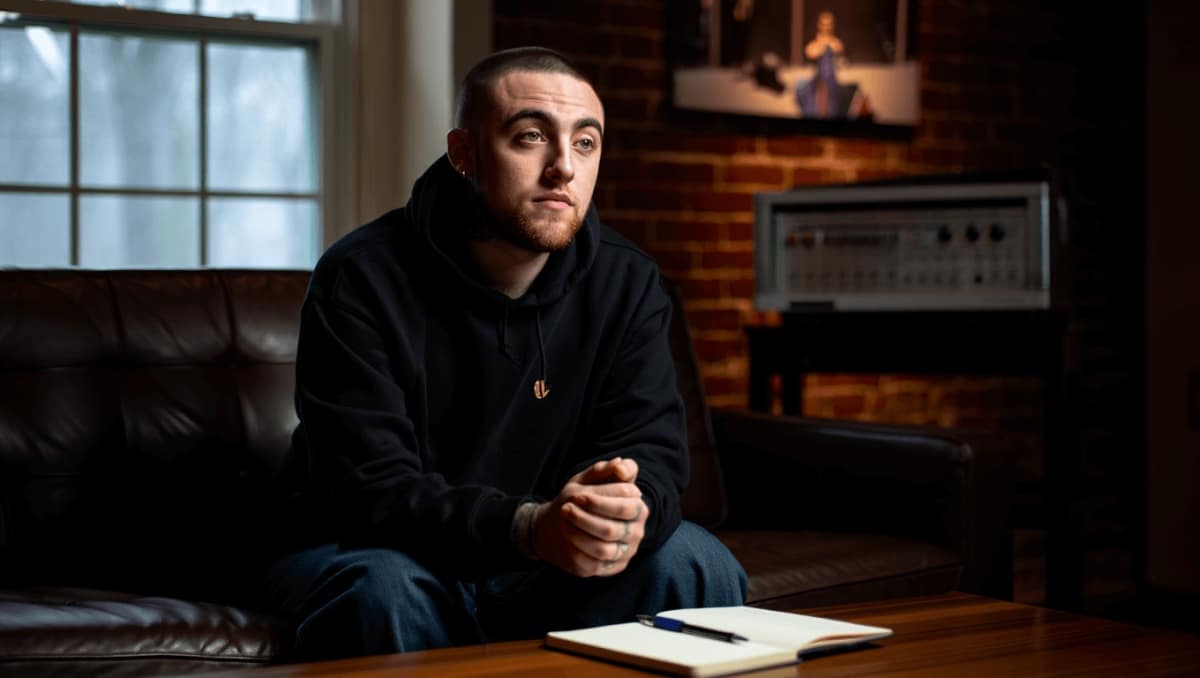
In a rare, candid conversation released in 2018, Mac Miller spoke openly about growth, mistakes and the advice he’d give to his younger self. The interview, which surfaced publicly just a day before his death, has since become a touchstone for fans and critics who look back on his final months with renewed interest. His words — calm, reflective and unexpectedly direct — offered a glimpse of a musician wrestling with fame, addiction, and the quest for authenticity.
Context and timing: the 2018 interview that drew new attention
The interview aired in September 2018 and reached wider attention after Mac Miller’s death the following day. Journalists and listeners noted how the timing cast his remarks in a different light. What had been an honest sit-down interview transformed into a record of one artist’s last public self-reflection.
Nas slams music industry over disrespect: teases new music, vows to address it
1992 vocal performances: 3 jaw-dropping moments that still amaze
- Published shortly before his death, the piece gained urgency for readers.
- It combined career reflections with personal concerns about well-being.
- Many media outlets revisited the conversation in the weeks after his passing.
Advice for his younger self: themes and takeaways
Throughout the interview, Mac Miller circled a few core ideas. He spoke about trust, pacing, and the cost of rapid success. His tone was often remorseful, but also practical. He did not romanticize pain. Instead, he named behaviors he would change and habits he wished he’d avoided.
- Prioritize mental health: He emphasized the need to address inner struggles earlier.
- Slow down the machine: Fame and constant output took a toll on his creativity.
- Choose friends carefully: He discussed how relationships affect career choices.
- Value growth over image: Authenticity mattered more than public perception.
Notable quotes and moments from the conversation
Certain lines stood out for their clarity and emotional weight. In a few short passages, he captured the tension between wanting to be prolific and needing space to heal. These statements were repeatedly shared by fans and journalists.
- He spoke bluntly about the pressures of expectation.
- He reflected on choices that prolonged personal struggles.
- He voiced a desire to be kinder to himself in hindsight.
Public response after his death: grief, analysis, and renewed interest
The interview became a focal point for mourning and retrospection. Fans scoured the audio and transcripts for clues about his state of mind. Critics used it to re-evaluate his later work. Conversations shifted from celebrity gossip to serious discussions about mental health in music.
- Social media amplified selected lines as fans sought meaning.
- Podcasts and think pieces examined how fame impacts artists.
- Some listeners found comfort in his frankness; others expressed regret.
How the interview shaped Mac Miller’s public image
Before the interview, Mac Miller was already respected for his musical range. After the conversation and his death, his narrative expanded. He became a symbol of creative struggle and a case study in the limits of success without support.
The interview painted him as thoughtful and self-aware. That portrait influenced how future releases and tributes were framed.
Lessons listeners took away and ongoing conversations
Long after the initial surge of attention, the interview continues to inform discussions about artist care. Mental health advocates point to it as an example of why early intervention matters. Fellow musicians reference it when talking about burnout and sobriety.
- Encourage open dialogue about mental health in creative fields.
- Create safer touring and recording practices for artists.
- Promote community support and better access to treatment.
Legacy in music and culture: what remains
Mac Miller’s final interviews and recordings feed into a larger legacy. His candid remarks are now part of the public record. They add nuance to his catalog and influence how future generations interpret his work.
Fans continue to revisit his words when they study his albums or mark anniversaries of his life. The interview is often cited in documentaries, articles, and conversations about the pressures of fame and the value of honest self-reflection.










