
Show summary Hide summary
- What the new “Human After All” visuals look like
- How the visuals were released and where to watch
- Fan and critical response across social platforms
- Why “Human After All” still matters in electronic music
- Artistic choices that echo the duo’s past work
- What this release could mean for the catalog
- Where to follow updates and reactions
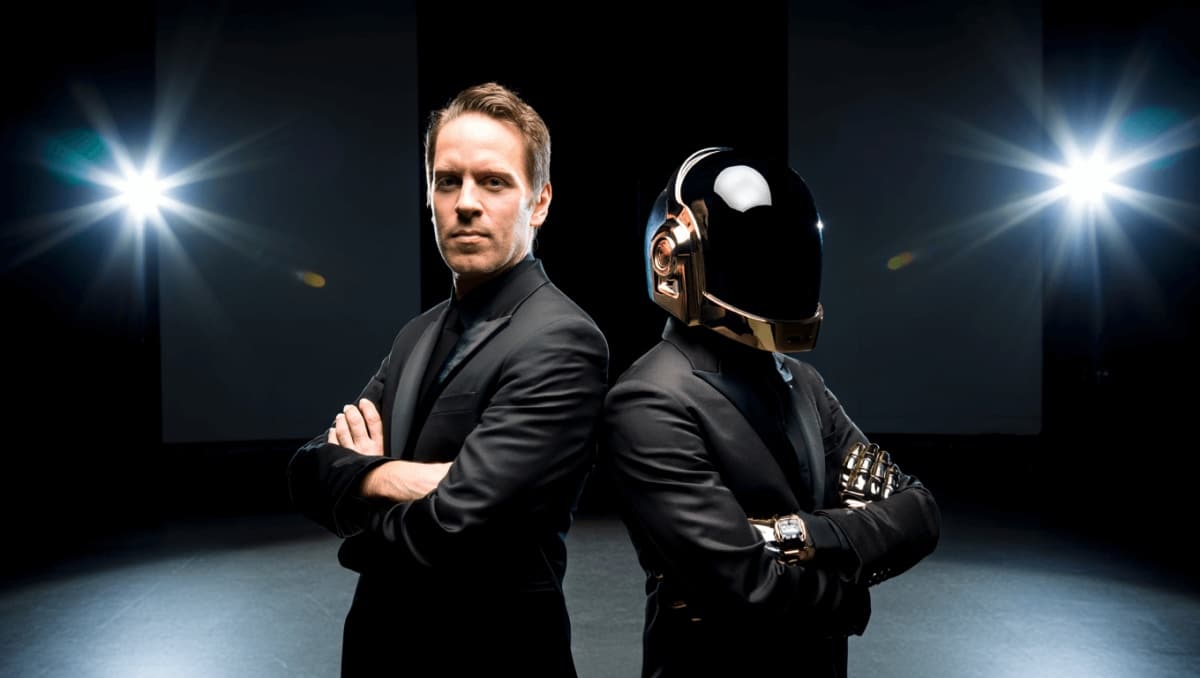
Daft Punk has quietly returned to the spotlight with a striking visual update for “Human After All,” released exactly five years after the duo announced their split. The new imagery blends retro-futuristic design and stark cinematic moods, prompting fans to revisit the pair’s influence on electronic music and pop culture.
What the new “Human After All” visuals look like
The imagery leans into stark contrasts and machine-like symmetry. Dark backgrounds, gleaming helmets, and slow-motion edits give the piece a hypnotic feel. Visual motifs include mirrors, fragmented faces, and mechanical movement.
Nas slams music industry over disrespect: teases new music, vows to address it
1992 vocal performances: 3 jaw-dropping moments that still amaze
- Color palette: muted metallics with sudden neon accents.
- Shot style: long takes, tight close-ups, and crisp slow-motion.
- Editing: glitch cuts and rhythmic pacing that sync with the track’s beats.
How the visuals were released and where to watch
The visuals arrived through the duo’s official online channels and were picked up across social platforms within hours. Clips and screenshots circulated on music forums and social feeds, driving renewed streams of the original track.
- Official music channel upload
- Short-form social edits shared by fans
- High-resolution stills reposted by music blogs
Fan and critical response across social platforms
Reaction has been intense and immediate. Longtime followers praised the craftsmanship. New listeners noted the work’s cinematic quality. Across feeds, the release sparked conversations about legacy and artistic closure.
- Fans highlighted the emotional resonance of the visuals.
- Critics noted a careful nod to the duo’s early aesthetic.
- Music communities debated whether this signals future archival releases.
Why “Human After All” still matters in electronic music
The track and the album marked a bold direction for Daft Punk. At the time of its original release, the sound challenged expectations and inspired a wave of producers. The new visuals remind listeners of that disruptive spirit.
- Influence: The song shaped later minimal and raw electronic trends.
- Legacy: Its stark production contrasted with earlier polished pop anthems.
- Reappraisal: New visuals encourage fresh listening and critical reassessment.
Artistic choices that echo the duo’s past work
The new piece borrows familiar elements without copying them. Helmeted silhouettes. Symmetrical framing. A balance of anonymity and intimacy that has been a hallmark of their imagery.
Visual language and symbolism
- Robotic forms suggest the tension between human and machine.
- Mirrors and reflections hint at identity and performance.
- Minimal color use draws attention to gesture and form.
What this release could mean for the catalog
Releasing new visuals on a notable anniversary raises questions about future archival or commemorative projects. Labels and estates often time such drops to renew interest and streaming numbers.
- Possibility of remastered audio or deluxe reissues
- Potential for curated visual archives
- Opportunities for licensed uses in film and advertising
Where to follow updates and reactions
For real-time discussion, music forums and fan communities remain the fastest source of commentary. Official channels provide the highest-quality versions of the visuals. Major music outlets will likely publish deeper analyses in the coming days.
- Official music channel and artist pages
- Major music news sites and feature articles
- Fan-led threads and social playlists










