
Show summary Hide summary
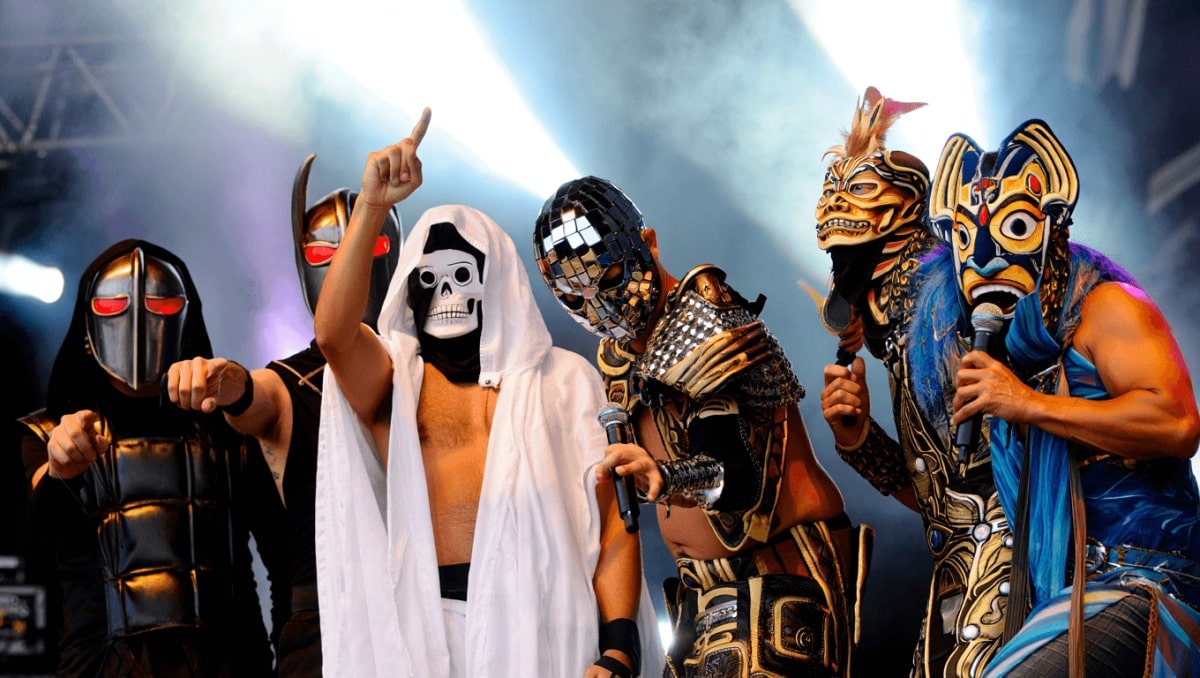
Some bands turn concerts into theater, hiding faces behind helmets, makeup, or surreal props. These disguises shape identity, feed mystique, and let music speak without a familiar face. Below are four influential acts that built careers around masks and costumes — excluding the likes of Slipknot, Sleep Token, and GWAR.
Daft Punk: Robots, helmets, and the rise of electronic mystique
Why the helmets mattered
Nas slams music industry over disrespect: teases new music, vows to address it
1992 vocal performances: 3 jaw-dropping moments that still amaze
When Daft Punk began wearing mirrored helmets, they transformed DJs into characters. The helmets made the duo into living icons of the electronic age.
- Anonymity as art: The masks diverted attention from the men to the music and the visual spectacle.
- They shaped a brand that fit the futuristic sound of their records.
- Fans came to expect immersive visuals at every show.
Stagecraft and visual identity
Daft Punk paired tight choreography and LED rigs with a strict image policy. Their shows felt like science-fiction rituals.
- Helmet designs evolved but remained instantly recognizable.
- Merch, album art, and videos all echoed the robotic persona.
Ghost: Pop hooks, Satanic pageantry, and the church of costume
From shadowy origin to front-and-center theatrics
Ghost built a cult around robed figures known as Nameless Ghouls and a rotating frontman called Papa Emeritus. The disguises blurred lines between satire and spectacle.
How costume fuels the experience
- Uniform anonymity: The Nameless Ghouls wear identical masks to emphasize the collective over the individual.
- The Pope-like lead uses makeup and robes to deliver a narrative character on stage.
- Visuals and storytelling reinforce the band’s theatrical rock sound.
Impact on performance and marketing
The masks help Ghost target both metal and pop audiences. Their image is central to press coverage and fan rituals.
KISS: Comic-book makeup, pyrotechnics, and brand power
Makeup as a business model
KISS turned painted faces into a global franchise. Each member adopted a persona — The Demon, The Starchild, The Spaceman, and The Catman.
- Characters sell: The personas made band members collectible figures and icons.
- They used makeup to create continuity even when lineups shifted.
- Massive stage shows reinforced the larger-than-life image.
How the look shaped rock shows
KISS combined face paint with fire, blood-spitting gimmicks, and elaborate costumes. The result was a template for stadium theatrics.
The Residents: Eyeballs, anonymity, and art-rock mystique
An experimental group that made secrecy its art
The Residents have worn eyeball helmets and tuxedos while releasing cryptic albums and films. Their anonymity is central to their avant-garde appeal.
Costume as concept
- Identity as a project: The Residents treat the mask as part of their creative statement.
- They explore themes of media, identity, and surveillance through performance.
- Their costumes create a buffer between private life and public persona.
Legacy in art and music scenes
For decades, The Residents have inspired performance artists and experimental musicians. Their persistent secrecy keeps audiences guessing.










