
Show summary Hide summary
- What Jaden Smith is proposing for Skid Row
- How the food program would operate on the ground
- Why Skid Row needs a targeted approach
- Community voices and partner reactions
- Funding, logistics, and sustainability
- Potential obstacles and criticisms
- How success will be measured
- Early steps and a tentative timeline
- Broader implications for Los Angeles’ approach to hunger
Jaden Smith has unveiled a bold plan to tackle hunger in Los Angeles’ Skid Row, promising a practical blueprint to feed people who live on the streets. His vision mixes immediate relief with long-term strategies, aiming to shift local conversation from temporary fixes to sustainable change.
What Jaden Smith is proposing for Skid Row
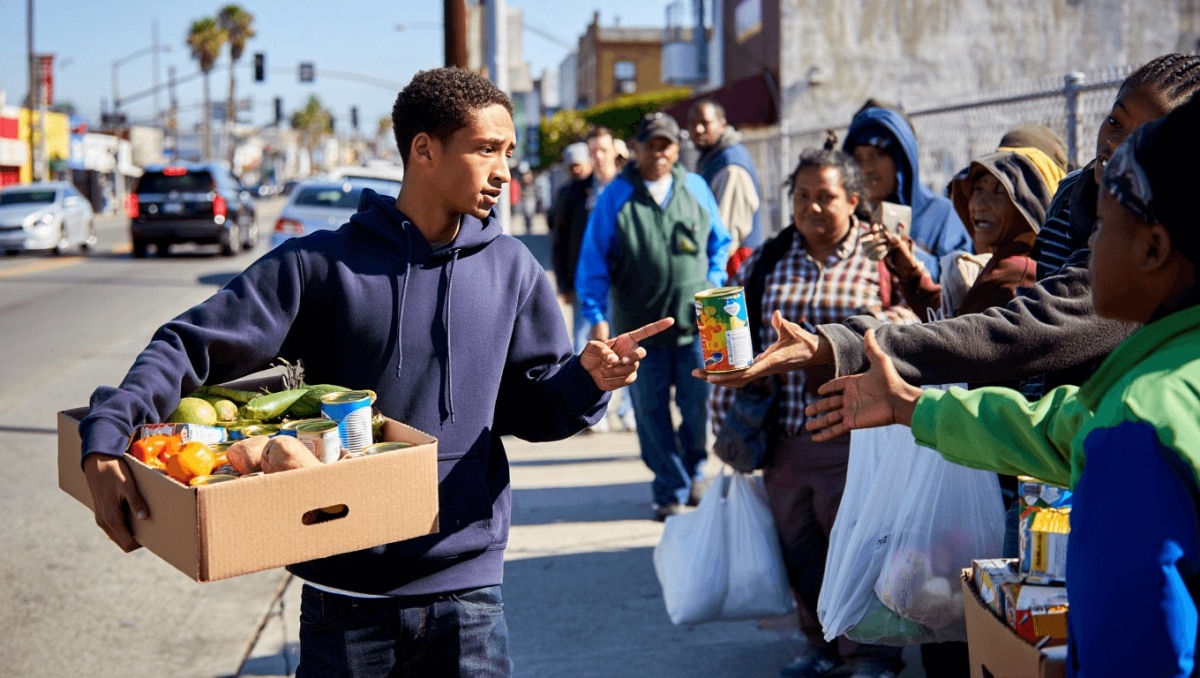
Smith’s concept centers on making food access constant and visible. It pairs mobile distribution with neighborhood-based hubs. The aim: reduce barriers to meals while creating routes into deeper services.
Nas slams music industry over disrespect: teases new music, vows to address it
1992 vocal performances: 3 jaw-dropping moments that still amaze
- Daily food distribution through staffed mobile units and pop-up kitchens.
- Partnerships with local nonprofits to coordinate supply and outreach.
- Education and training for participants who want to work in food service roles.
- Data-driven routes to target the most underserved blocks and avoid duplication.
How the food program would operate on the ground
The plan is practical and modular. Teams would deploy food trucks and temporary dining stations at scheduled times. Volunteers and paid staff would share duties. The model focuses on dignity and choice.
Operational features
- Regular schedules posted publicly for predictability.
- Sanitary serving areas and safe disposal systems.
- Options for warm meals and shelf-stable packages.
- Information tables to connect people with housing, medical care, and social services.
Why Skid Row needs a targeted approach
Skid Row has one of the highest concentrations of unhoused residents in Los Angeles. Food insecurity is compounded by mental health challenges, substance use, and limited access to consistent services. A one-size-fits-all program often fails to reach those most in need.
Targeted delivery can overcome obstacles like mobility issues and mistrust of institutions. Building relationships is as important as providing meals.
Community voices and partner reactions
Local leaders and service providers reacted with cautious optimism. Many applaud the focus on sustained access. Others emphasize that food distribution must connect to housing and medical care.
- Nonprofits say scalable coordination is essential.
- Some advocates stress prioritizing harm-reduction and case management.
- Residents ask for respect, safety, and reliable schedules.
Funding, logistics, and sustainability
Financing a city-level initiative requires diverse revenue sources. Smith’s plan envisions private donations, foundation grants, corporate partnerships, and local philanthropy. Cost-efficiency comes from bulk purchasing and volunteer networks.
Key logistical points
- Cold-chain and warm-food storage capabilities.
- Fleet coordination to avoid street congestion.
- Insurance, permits, and health inspections aligned with city rules.
- Transparent reporting on meals served and outcomes.
Potential obstacles and criticisms
Programs of this scale face real hurdles. Critics warn about dependency, diversion of city resources, and the risk of services being fragmented. Navigating municipal regulations and community pushback will be necessary.
- Legal and permitting challenges for public feeding.
- Safety and sanitation in high-density encampments.
- Ensuring continuity if donor funding fluctuates.
How success will be measured
Accountability is central. The plan calls for tracking meals, engagement with services, and measurable moves into housing or employment. Qualitative feedback from residents will also shape adjustments.
- Number of meals distributed per week.
- Referrals completed to housing or clinics.
- Participant satisfaction and trust indicators.
Early steps and a tentative timeline
Implementation would roll out in phases. First, pilot routes and pop-ups to test timing and demand. Next, expand coverage and formalize partnerships. Evaluation checkpoints would guide scaling.
- Pilot launch to run several weeks for data collection.
- Partnership agreements signed with local agencies.
- Scale-up after meeting pilot benchmarks.
Broader implications for Los Angeles’ approach to hunger
This effort points to a larger debate about how cities respond to homelessness and food insecurity. Combining direct aid with paths to services could reshape local policy. Observers will watch whether the program reduces need or simply relocates it.
City officials and advocates alike note that lasting change depends on aligning immediate relief with housing and health solutions.










