
Show summary Hide summary
- From Jersey roots to global studios: the path of a legendary engineer
- The creative bond with Timbaland and the sound they built
- What hip-hop means to a veteran engineer
- How modern tools changed who makes records
- Studio philosophy: balance of feel and technique
- Memorable studio stories and small lessons
- Tips for aspiring producers and engineers
- Where he sees the industry heading next
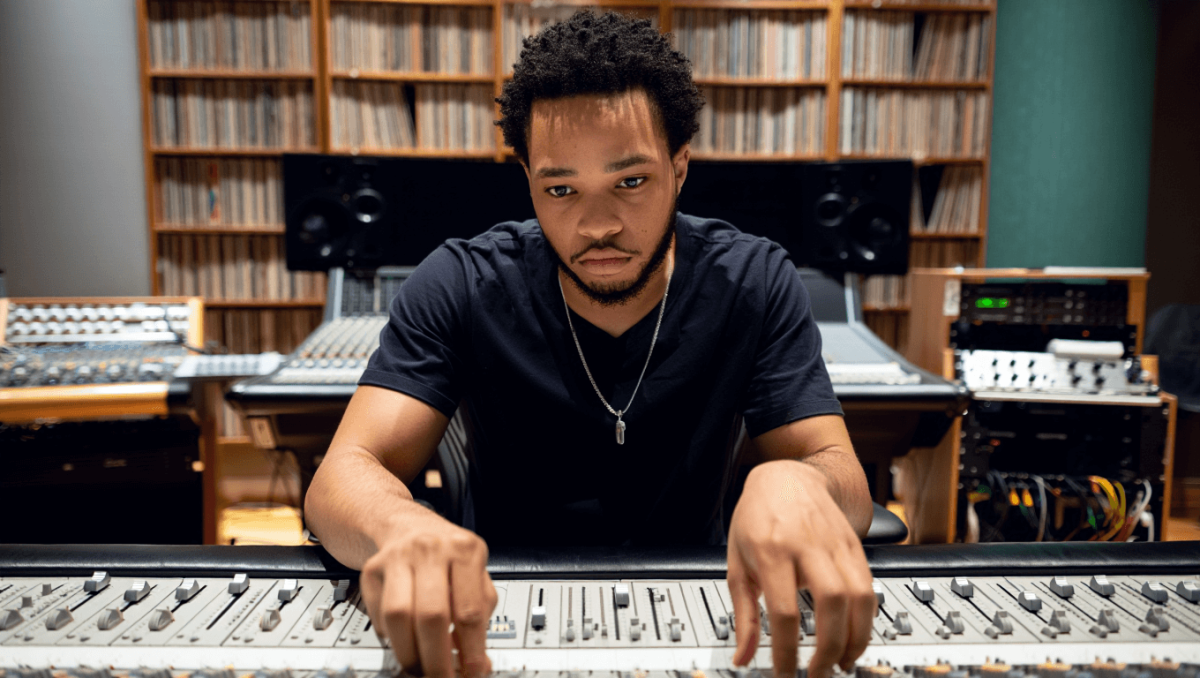
Jimmy Douglass has spent decades behind the faders shaping hits that define modern music. Known for a keen ear and a long creative partnership with Timbaland, Douglass speaks about what hip-hop truly is, how the studio has changed, and why anyone with passion can make a record today.
From Jersey roots to global studios: the path of a legendary engineer
Douglass began his career in the analog era. He learned tape machines, mic placement, and how to coax warmth out of circuits. Over time, his name became synonymous with quality mixing across genres.
Nas slams music industry over disrespect: teases new music, vows to address it
1992 vocal performances: 3 jaw-dropping moments that still amaze
- Started as a teenage assistant in local studios.
- Worked across R&B, soul, reggae, and hip-hop.
- Built a reputation for balancing raw energy with sonic polish.
Those early lessons in patience and technique still guide him. He believes the fundamentals never go out of style.
The creative bond with Timbaland and the sound they built
The Douglass–Timbaland partnership changed commercial music. Timbaland’s inventive rhythms met Douglass’s meticulous mixing. Together they pushed boundaries.
Their sessions produced textures listeners still reference today. Instead of relying on ready-made formulas, they experimented with sound as an instrument.
What hip-hop means to a veteran engineer
For Douglass, hip-hop is culture first and technique second. It’s a way to tell stories. It’s rhythm, voice, and community.
He argues that the genre’s essence is accessibility. Anyone with an idea can contribute. The tools are no longer gatekept by major studios.
- Hip-hop values authenticity over perfection.
- Innovation often comes from constraint and curiosity.
- Production trends evolve, but the core remains expressive.
How modern tools changed who makes records
Douglass notes that today’s digital workstations put powerful tools in anyone’s hands. That democratization shifts the landscape.
“Everyone could make a record,” he says, meaning the barrier to entry is lower than ever. Still, he adds, craft matters.
The difference now is curation. There may be more songs, but the ones that rise combine originality with discipline.
Studio philosophy: balance of feel and technique
His approach blends technical precision with human feel. He listens for emotion first. Then he refines frequencies and dynamics to serve the song.
Typical session priorities
- Capture a strong performance before tweaking.
- Use processing to enhance, not mask, the source.
- Preserve space in the mix so each element breathes.
Douglass prefers decisions that age well. He avoids chasing temporary sonic trends that date a record quickly.
Memorable studio stories and small lessons
Across decades, Douglass collected moments that shaped his craft. Some are technical fixes, others are human revelations.
- How a last-minute vocal change saved a song.
- Unexpected mic placement that created a signature sound.
- Learning to read artist moods and ease pressure in tense sessions.
These episodes taught him adaptability. In the studio, flexibility often beats rigid planning.
Tips for aspiring producers and engineers
Douglass shares practical guidance for emerging creators. His advice mixes mindset with concrete steps.
- Listen deeply to a wide range of music.
- Master the basics of gain staging and signal flow.
- Prioritize performance capture before heavy processing.
- Collaborate with people who challenge your ideas.
- Develop a sonic signature, but stay open to change.
He emphasizes persistence and curiosity. Careers are built on consistent learning and respectful collaboration.
Where he sees the industry heading next
Douglass predicts further fusion across genres. He expects tech to keep evolving how songs are made.
But he believes certain truths remain: emotional clarity, thoughtful arrangement, and the human voice will always matter.
New tools will create new possibilities. Yet the best records will still come from sessions that prioritize honesty and craft.










