
Show summary Hide summary
- Why checking mixes in a car is important for modern rock
- The story behind the car-in-studio tactic with Foo Fighters
- How the band responded and what changed in their mixes
- What producers can learn from Scheiner’s method
- Technical reasons a car can expose mix problems
- Accessible alternatives to a studio car test
- Why this story still matters for artists and listeners
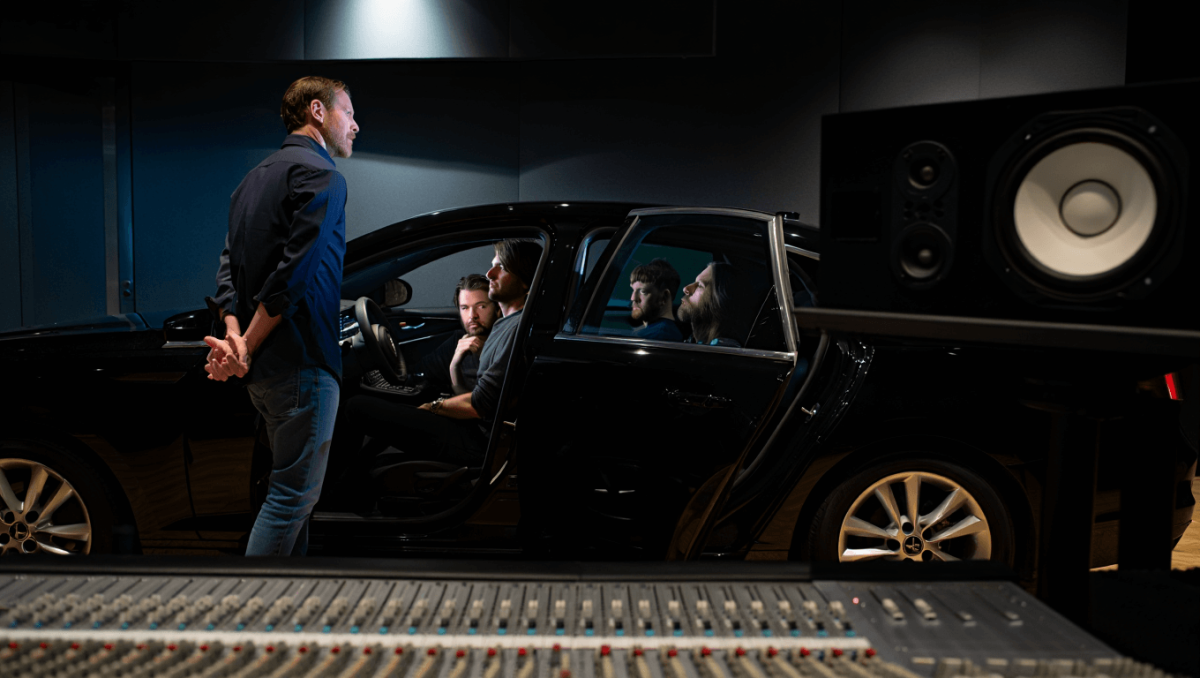
When a record sounds great in a control room but thin in a car, the problem may be the listening environment. Producer Elliot Scheiner once solved that gap in a memorable way: he had a car brought to the studio so the Foo Fighters could listen to their mixes as listeners would, on the road. The move is part legend, part lesson about how context changes what we hear.
Why checking mixes in a car is important for modern rock
Most people hear music on the go. Cars, earbuds, and phone speakers shape the listening experience. A room-calibrated studio can hide issues that appear in consumer environments.
Nas slams music industry over disrespect: teases new music, vows to address it
1992 vocal performances: 3 jaw-dropping moments that still amaze
- Car interiors reflect bass differently than a treated room.
- Road noise masks midrange detail.
- Compression and stereo balance can translate poorly outside the studio.
Professional engineers often use multiple reference systems to catch these differences. Scheiner’s solution was extreme, but it made the point clear.
The story behind the car-in-studio tactic with Foo Fighters
Elliot Scheiner, a veteran mixer and producer, is known for chasing realism in playback. During sessions with the Foo Fighters, he arranged to have a vehicle delivered so the band could hear mixes in a true in-car environment.
The setup let the group hear how bass lines, kick drum, and vocal presence behaved inside a vehicle. It also revealed how stereo imaging collapsed on narrow speakers and how heavy low end could bury details.
The experiment put the listener’s reality front and center. By simulating a common listening scenario, decisions made in the studio became more practical.
How the band responded and what changed in their mixes
The Foo Fighters used the car test to fine-tune several elements. They adjusted:
- Low-frequency balance to avoid muddiness at highway volumes.
- Vocal levels so lyrics remained clear over engine noise.
- Stereo width to maintain punch on smaller speakers.
Hearing a mix in a real vehicle prompted quick, targeted changes. Engineers often rely on this kind of direct feedback during final pass sessions.
What producers can learn from Scheiner’s method
The core lesson is simple: listen where your audience listens. You do not need a car in your control room to follow the approach.
- Reference across systems. Test on quality monitors, earbuds, phone speakers, and a car.
- Check mono compatibility. Many consumer devices sum channels to mono.
- Use realistic playback levels. Loudness and perception change with volume.
These practices reduce surprises after release and improve translation to real-world playback.
Quick checklist for in-car style testing
- Bring a final stereo file on a USB stick or phone.
- Play at typical listening levels, not studio reference volume.
- Note bass response and vocal clarity.
- Try different positions in the vehicle when possible.
Technical reasons a car can expose mix problems
Vehicles create unique acoustic challenges. Small, reflective spaces emphasize certain frequencies. Speaker placement and cabin resonance change perceived balance.
- Standing waves and modal buildup can exaggerate boominess.
- Close, low-efficiency speakers may hide transient detail.
- Cabin noise can mask low-level elements or reverb tails.
Understanding these effects helps producers craft mixes that hold up in real life. Scheiner’s car trick is an extreme reminder of that reality.
Accessible alternatives to a studio car test
If you cannot bring a vehicle to the studio, these options work well.
- Listen on multiple consumer devices, including phones and cheap radios.
- Use headphone simulators and impulse responses that mimic car cabins.
- Take mixes into a parked car and play them from a phone or USB device.
- Ask collaborators or fans to play test tracks in different environments.
Each method reveals different translation issues and guides final adjustments.
Why this story still matters for artists and listeners
Today’s listening habits are fragmented. Streaming, podcasts, and car audio dominate. The anecdote about Scheiner and the Foo Fighters is a practical parable.
Sound decisions made with the end listener in mind lead to stronger releases. Producers who test in realistic spaces cut fewer surprises after distribution and build records that connect with audiences on first play.










