
Show summary Hide summary
- How a public clash put music licensing in the spotlight
- What rights matter when music is used in sports performances?
- Where the breakdown usually happens
- How laws and platforms shape these clashes
- Practical steps athletes and artists can take
- What event organizers and broadcasters should change
- Why the dispute matters beyond a single performance
- Lessons for the industry and the public
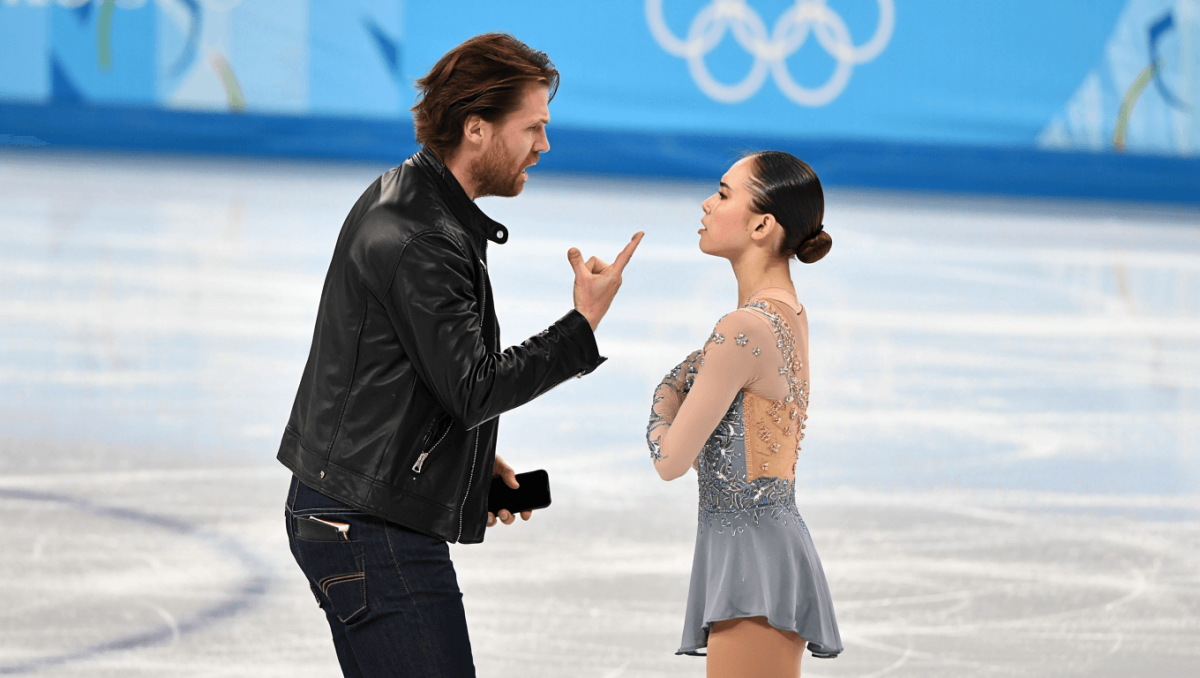
When a famous artist discovered an Olympic figure skater had used their music without clear permission, the resulting public dispute exposed how messy music rights still are. What began as a social-media spat quickly turned into a debate about licensing, moral rights, and the blurred lines between live performance and recorded music use.
How a public clash put music licensing in the spotlight
The incident began when a skater’s routine, set to a popular track, went viral during an international competition. Fans celebrated the performance. The musician’s team did not. Accusations of unauthorized use followed.
Nas slams music industry over disrespect: teases new music, vows to address it
1992 vocal performances: 3 jaw-dropping moments that still amaze
The fallout revealed a mix of ignorance, poor communication, and legal grey areas. Neither side was entirely at fault, yet the confusion amplified the problems built into modern music licensing systems.
What rights matter when music is used in sports performances?
Multiple rights can apply when a piece of music is played at a sporting event or used in a recorded routine. Understanding them helps explain why disputes flare.
- Copyright in the composition: The songwriter and publisher control the melody and lyrics.
- Recording rights: The owner of a master recording must permit use of that specific performance.
- Public performance licenses: Venues and broadcasters often need blanket licenses from performance rights organizations.
- Synchronization (sync) rights: Required when music is matched to visual media, such as a televised routine clip.
- Moral rights and attribution: In some countries, creators have rights that survive licensing disputes.
Where the breakdown usually happens
Several common failures can turn a harmless performance into a legal headache.
- Poor documentation of permissions between athlete, coach, and music publisher.
- Assumptions that venue or broadcaster licenses cover individual routines.
- Use of a cover or remix without securing the right sync or mechanical licenses.
- Unclear chain of communication when third-party choreographers select tracks.
Illustrative missteps
- A coach downloads a track from a streaming service and assumes that allows competition use.
- A federation’s venue license covers live play but not recorded clips used by the athlete’s social accounts.
- An athlete edits a song for timing and posts the routine online, triggering a claim from the rights holder.
How laws and platforms shape these clashes
Legal frameworks vary widely. Some countries protect artists with strong moral rights. Others leave gaps that platforms and event organizers must fill.
Streaming companies typically license catalogues for personal listening. That coverage rarely includes public performance or sync rights for broadcasts.
Social platforms add another layer. Automated content ID systems will flag matches, often before any human review. That can escalate disputes publicly and quickly.
Practical steps athletes and artists can take
Simple, proactive measures can prevent many disputes.
- Confirm who holds the composition and master rights before selecting a track.
- Request written permission for competition and broadcast use.
- Clarify whether venue or federation licenses cover recorded clips used online.
- Keep clear records of agreements between choreographers, coaches, and rights holders.
- Engage a music clearance specialist when routines depend on complex or well-known works.
What event organizers and broadcasters should change
Organizers and media outlets have a duty to reduce ambiguity.
- Include specific language about athlete-created content and social sharing in licensing agreements.
- Provide centralized resources for clearance requests during major competitions.
- Train staff and coaches about the differences between streaming, performance, and sync rights.
- Work with rights organizations to offer short-term or event-specific clearances.
Why the dispute matters beyond a single performance
When athletes and artists clash publicly, it creates chilling effects. Creators may refuse licensing or demand higher fees. Athletes may avoid evocative music to reduce risk.
The result is lost creativity and strained collaborations. Fans miss out on moments where music and movement combine to create unforgettable performances.
Lessons for the industry and the public
Clear lines and better communication would reduce theatrics online. Rights holders, sports bodies, and platforms each have roles to play.
- Improve transparency in licenses and who they cover.
- Make quick, affordable sync options available for live performances.
- Encourage direct dialogue between artists and athletes before disputes hit social media.










