
Show summary Hide summary
- Why these four songs stand for 90s West Coast rap
- “Nuthin’ but a ‘G’ Thang” — the G‑Funk anthem that rewired mainstream hip hop
- “California Love” — the bi-coastal party epic that turned a state into a symbol
- “Gin and Juice” — the party hymn with a storytelling edge
- “Regulate” — the narrative duet that blurred rap and R&B
- How production, visuals, and regional identity shaped each hit
- Streaming era echoes and modern influence on West Coast hip hop
Few musical movements defined a region like 90s West Coast rap. A handful of songs rose above the rest and set the tone for an era of G‑Funk grooves, cinematic videos, and streetwise storytelling. These four tracks capture the sound, swagger, and social pulse of West Coast hip hop in the 1990s.
Why these four songs stand for 90s West Coast rap
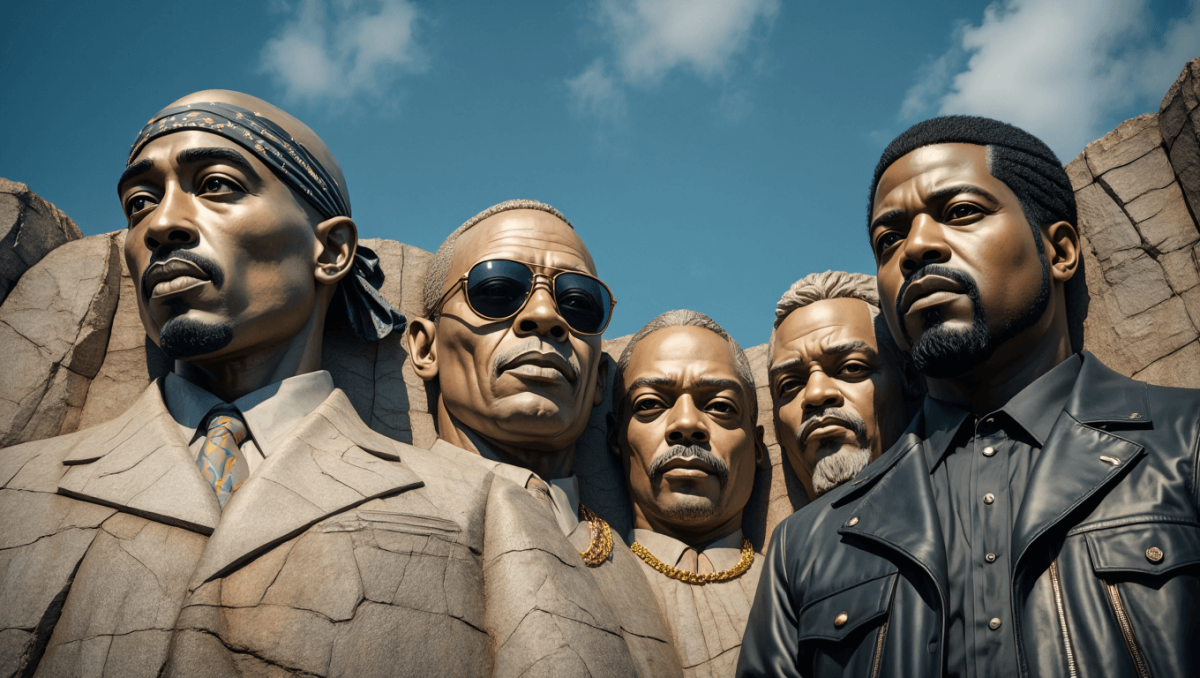
Picking a Mount Rushmore for any genre is subjective. Still, these songs share traits that make them emblematic.
Nas slams music industry over disrespect: teases new music, vows to address it
1992 vocal performances: 3 jaw-dropping moments that still amaze
- They pushed a signature sound: synth-heavy basslines and laid-back grooves.
- They launched careers: each track helped its artist become a household name.
- They crossed over: radio play and music videos brought West Coast hip hop to a national audience.
- They shaped culture: fashion, film, and slang followed their lead.
“Nuthin’ but a ‘G’ Thang” — the G‑Funk anthem that rewired mainstream hip hop
Released in the early 90s, this song marked a turning point. It blended old-school funk samples with modern hip hop rhythm. The result felt both nostalgic and fresh.
Key facts
- Breakout single for a new production era.
- Clean, rolling groove built around a classic funk loop.
- Introduced a relaxed delivery that became synonymous with West Coast rap.
Why it mattered
This track defined G‑Funk for mass audiences. It gave producers permission to use lush melodies and warm synths. Rappers swapped hurried cadences for smooth, conversational flows.
“California Love” — the bi-coastal party epic that turned a state into a symbol
With its celebratory chorus and sweeping production, this song became an anthem for the West Coast. The talkbox hook and vivid images of California life stuck instantly.
Production and star power
- Big, cinematic beat designed for stadium-size feel.
- Collaborative energy that merged rap bravado with funk showmanship.
- Video and radio exposure amplified its cultural reach.
Cultural footprint
California Love helped brand the region as both glamorous and gritty. It became a staple at parties, sports arenas, and film soundtracks.
“Gin and Juice” — the party hymn with a storytelling edge
Casual in tone but sharp in detail, this song blended party themes with vivid character sketches. It felt like eavesdropping on a scene that many listeners recognized.
What makes it stand out
- Carefully observed lyrics that mix humor and hustle.
- Beat that floats, letting the vocal delivery breathe.
- Fashion and slang from the song echoed in youth culture.
Legacy in style
Gin and Juice influenced both music and fashion. The track reinforced a West Coast image of cool, laid-back confidence.
“Regulate” — the narrative duet that blurred rap and R&B
Built around a haunting loop and smooth hooks, this song brought narrative rap to the mainstream. The call-and-response between rapper and singer created an instant emotional hook.
Elements that clicked
- Storytelling that reads like a short film.
- Melodic chorus that made the song radio-friendly.
- Production that married street-level detail to polished sonics.
Impact on crossover appeal
Regulate proved rap songs could tell cinematic stories and still chart on mainstream radio. It helped open doors for future rap-R&B collaborations.
How production, visuals, and regional identity shaped each hit
These songs rose not just from great lyrics, but from a unified package of sound, video, and persona. Producers used warm synths and live instrumentation to contrast harsher East Coast sounds. Videos painted lifestyle portraits. Artists cultivated images that fans recognized instantly.
- Production: layered synths, prominent bass, funk samples.
- Visuals: cinematic, location-driven music videos.
- Identity: a West Coast attitude that mixed toughness with laid-back flair.
Streaming era echoes and modern influence on West Coast hip hop
Decades later, these tracks still appear on playlists, movie soundtracks, and sampled records. New artists borrow their sonic hallmarks. Producers still reference the warm G‑Funk palette.
- Producers sample or recreate classic synth textures.
- Artists adopt melodic hooks and conversational flows.
- Playlists keep these songs in rotation for new listeners.










