
Show summary Hide summary
- The vanished sessions: the album that never reached shelves
- Why scrapping a record led to a new creative fire
- Building a punk-rock narrative: the concept behind American Idiot
- Recording anew: studio choices and collaborators
- Key tracks that defined the era and their search for a new voice
- How audiences and critics reacted to the reinvention
- Touring, stagecraft, and the rise of a rock opera
- Legacy: from a scrapped record to a cultural milestone
A shelved record and a creative reset changed Green Day’s path. What started as a traditional follow-up to their early-2000s work mutated into a sweeping, politically charged album. That pivot produced American Idiot, the 2004 record that redefined the band’s image and reached a global audience.
The vanished sessions: the album that never reached shelves
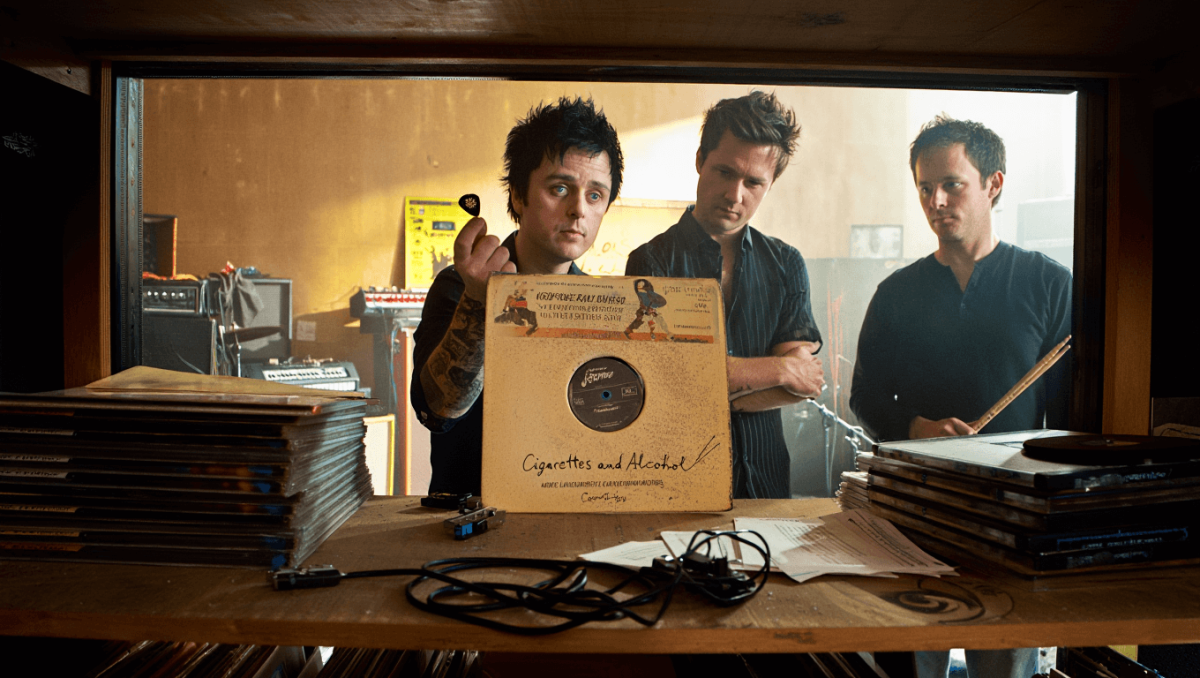
After years of steady output, Green Day returned to the studio in the early 2000s with new songs in hand. Fans and insiders later dubbed those sessions the lost “Cigarettes and Valentines” project. Details are murky, but the band chose not to release what they had recorded.
Nas slams music industry over disrespect: teases new music, vows to address it
1992 vocal performances: 3 jaw-dropping moments that still amaze
- Some reports claim master tapes disappeared; other accounts say the band simply felt the tracks were uninspired.
- Instead of forcing a release, Green Day walked away from the completed work.
- That decision opened space for a bolder, riskier creative move.
Why scrapping a record led to a new creative fire
The band members felt restless. Routine had dulled their ambition. Billie Joe Armstrong, Mike Dirnt, and Tre Cool wanted meaning beyond radio singles.
Rather than polish a familiar sound, they examined their anger and anxieties about the national mood. The result was a decision to aim for something bigger.
Building a punk-rock narrative: the concept behind American Idiot
Green Day shifted from standalone songs to a connected story. They crafted characters and scenes that reflected youth frustration and political disillusionment.
The record follows characters like Jesus of Suburbia and St. Jimmy. It blends personal turmoil with national commentary. That approach turned a pop-punk band into storytellers.
Recording anew: studio choices and collaborators
For their rebirth, Green Day reunited with producer Rob Cavallo. He helped shape the record’s cinematic scope and tight dynamics.
- Extended arrangements and layered guitars gave songs anthemic power.
- New recording techniques emphasized vocal drama and melodic hooks.
- The band embraced a theatrical style without abandoning punk roots.
Key tracks that defined the era and their search for a new voice
Several songs became instant touchstones. They captured both radio audiences and critical attention.
- “American Idiot” — a blunt, fast opener full of political bite.
- “Boulevard of Broken Dreams” — a moody, introspective single that widened their appeal.
- “Holiday” and “Wake Me Up When September Ends” — songs that mixed melody with urgency.
How audiences and critics reacted to the reinvention
The record shocked some long-time fans. Others embraced the change. Critics noted the band’s ambition and storytelling.
Commercially, the album soared. It produced multiple hit singles and sold millions. Green Day moved from alt-punk success to mainstream cultural relevance.
Touring, stagecraft, and the rise of a rock opera
On stage, the songs demanded theatrical delivery. Tours embraced visual storytelling and dramatic staging.
- Concerts featured narrative pacing and characters.
- Set lists highlighted the album’s sequence to retain its plot arc.
- Performances blurred the line between rock show and musical theater.
Legacy: from a scrapped record to a cultural milestone
What began as a discarded project helped push Green Day into new territory. American Idiot influenced other artists and sparked broader conversations about politics and youth culture.
The record later inspired a stage musical and continues to be cited in discussions about ambitious concept albums in modern rock.










