
Show summary Hide summary
- How the concept turned into a cinematic dare
- On-set conditions: heat, sweat, and nonstop motion
- Costume, hair, and the visual identity shift
- Choreography and dancers: a synchronized frenzy
- Technical craft: camera, lighting, and practical effects
- On-set stories from crew members
- Controversy and immediate reaction
- Legacy: why the video still matters
The “Dirrty” video rewired pop-star image rules and left a lasting imprint on early‑2000s culture. Those who were on set remember heat, chaos, and a deliberate push to shock. Their stories reveal how a controlled creative gamble turned into a sweaty, cinematic spectacle that defined a decade.
How the concept turned into a cinematic dare
The idea behind the video came from a plan to shift Christina Aguilera’s public persona. The aim was bold: trade polished teen-pop for a rougher, more sexualized aesthetic. Director David LaChapelle embraced an overt, gritty visual language. The production wanted a clublike, post‑apocalyptic vibe.
Nas slams music industry over disrespect: teases new music, vows to address it
1992 vocal performances: 3 jaw-dropping moments that still amaze
The goal was provocation. Stylists, choreographers, and set designers worked to make every frame feel like an assault on expectation.
On-set conditions: heat, sweat, and nonstop motion
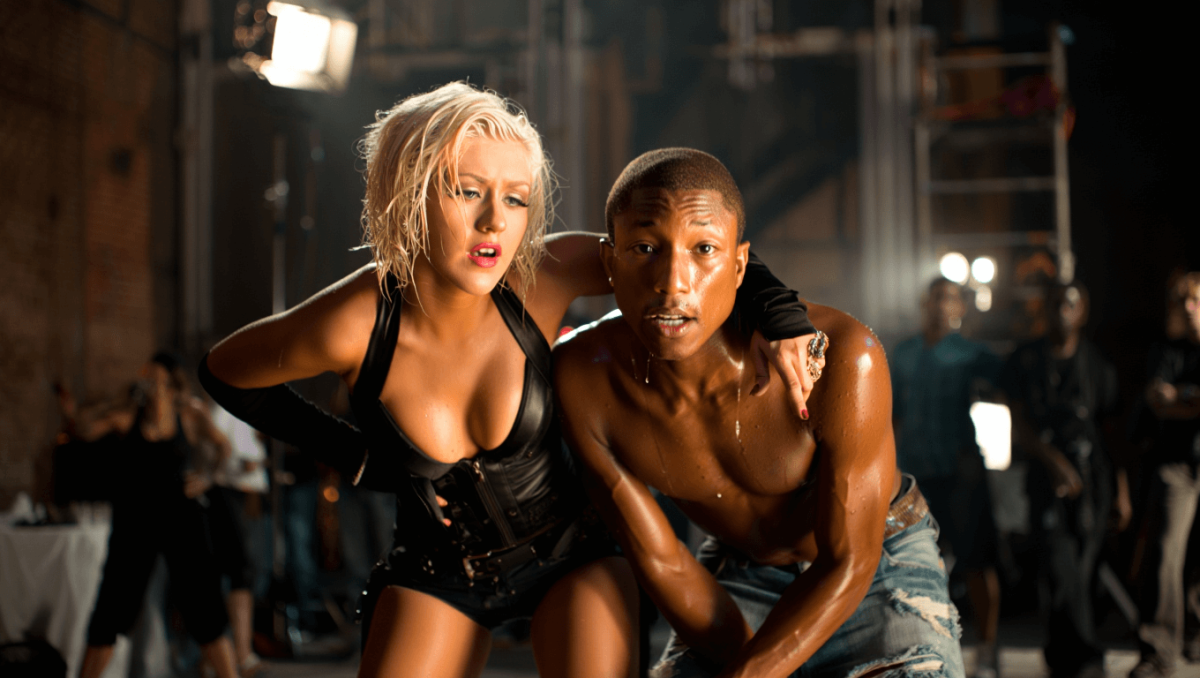
People who were there describe an intense physical atmosphere. Lighting rigs and stage smoke raised temperatures. Continuous camera passes left no breaks for performers.
- Makeup had to be reapplied constantly because of sweat.
- Costumes were minimal and often impractical under lights.
- Dancers ran full sequences for many takes to capture the raw energy the director wanted.
Long days and high humidity became part of the aesthetic; the perspiration was both a problem and a planned element.
Costume, hair, and the visual identity shift
Wardrobe choices played a central role in the transformation. The styling leaned into urban grit and fetishized textures. Leather, chains, and bold makeup came together to manufacture a controversial new look.
Key wardrobe decisions
- Skin‑revealing pieces to enforce the sexed‑up image.
- Layered metallic elements to catch the harsh lighting.
- Accessories chosen to read clearly on camera from all distances.
Hair and makeup were intentionally exaggerated to read as fearless and confrontational on fast cuts and wide shots.
Choreography and dancers: a synchronized frenzy
Choreographers built routines to feel both improvised and tightly executed. Dancers had to sell the reckless energy while maintaining formation under tough conditions.
- Practices were intense and fast, mirroring the tempo of the song.
- Safety was sometimes stretched thin as costume and movement choices collided.
- Improvised moments were preserved when they read well on camera.
The result was kinetic and confrontational, matching the song’s urgent rhythm.
Technical craft: camera, lighting, and practical effects
Technicians used handheld cameras and tight dolly moves to make the action feel immediate. High-contrast lighting emphasized sweat and texture. Smoke machines and dust added depth.
Repeated takes and complex camera choreography required meticulous planning. The production relied on practical tricks over digital fixes to achieve authenticity.
On-set stories from crew members
Several crew anecdotes highlight the production’s intensity. One crew member recalled clutching gear while sweat dripped into lens mechanisms. Another described hair stylists working in near darkness to keep continuity between takes.
While some staff liked the creative freedom, others found the environment physically taxing. Yet most agree that the tension produced a unique result.
Controversy and immediate reaction
The video ignited debate as soon as it aired. Critics attacked the provocative visuals. Fans and commentators saw a bold reinvention instead of a misstep. Mainstream media coverage spiked, ensuring the clip became a cultural touchstone.
- Television networks debated airplay and edits.
- Tabloid headlines fueled the controversy.
- Supporters argued the move was an artist reclaiming agency.
Polarized responses only amplified the video’s reach.
Legacy: why the video still matters
Years later, the “Dirrty” shoot is referenced when artists choose radical rebrands. The combination of a tightly directed vision and raw, on‑set intensity created a template for pop transformation.
Behind the sweat and spectacle there was careful orchestration. The production blended fashion, camera work, and choreography to force a new conversation about pop identity.










