
Show summary Hide summary
- Rick Astley — the rickroll that rewired online pranks
- Darude — how a trance loop became an inside-comment punchline
- Smash Mouth — “All Star” as an unlikely soundtrack for irony
- Ylvis — “The Fox”: absurdity as a viral engine
- Why some songs outlive their charts as memes
- How artists and audiences repurpose songs
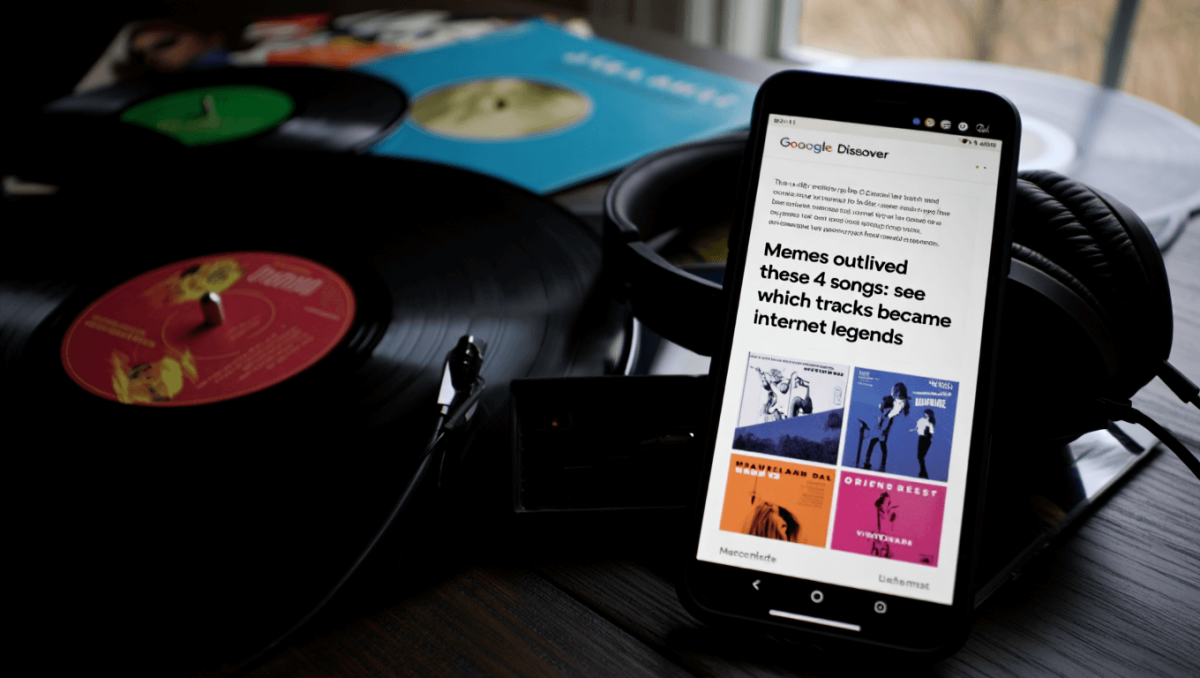
Some songs never die on the radio. They keep living in comment threads, remix reels, and late-night jokes. These four tracks became less about charts and more about internet culture. They now survive as memes, reshaped by fans and platforms, often eclipsing the artist’s original intent.
Rick Astley — the rickroll that rewired online pranks
When a 1987 pop single resurfaced in the mid-2000s, it changed how the web pranks itself. The practice of hiding a link behind an unrelated promise and revealing “Never Gonna Give You Up” became known as rickrolling.
Nas slams music industry over disrespect: teases new music, vows to address it
1992 vocal performances: 3 jaw-dropping moments that still amaze
- Origin: a prank that spread through forums and emails.
- Mechanics: surprise, nostalgia, and a catchy chorus made it repeatable.
- Longevity: periodic revivals on social platforms keep it visible.
Rick Astley’s face and the chorus now function as shorthand for playful deception online. The song’s commercial success is dwarfed by its cultural afterlife. Artists and fans both embraced the meme, turning a simple pop tune into a global inside joke.
Darude — how a trance loop became an inside-comment punchline
“Sandstorm” was a late-1990s club hit. On the internet, it became a running gag: whenever someone asked “What song is this?” the answer was simply “Darude — Sandstorm.”
- Why it stuck: instrumental hooks are easy to recognize and reuse.
- Spread: comments, livestreams, and gaming chats reproduced the joke.
- Result: the track’s title replaced actual song identification in many threads.
The joke’s brevity made it perfect for fast-paced online spaces. The artist has both leaned into and laughed at the phenomenon, performing for fans who partly know him as a meme.
Smash Mouth — “All Star” as an unlikely soundtrack for irony
“All Star” was once a radio staple. It later resurfaced in compilations of absurd nostalgia and remixed videos. The song’s upbeat melody and quotable lines lent themselves to ironic reuse.
Forms the meme took
- Video mashups that splice the chorus into unrelated clips.
- Looped edits that emphasize a single line for comic effect.
- Soundtracking moments of mock triumph or surreal failure.
The result: people often cite the song to convey a wink or to create a nostalgic punchline.
Ylvis — “The Fox”: absurdity as a viral engine
A comic song about a mysterious animal sound exploded into virality. “The Fox (What Does the Fox Say?)” rode the wave of YouTube shares and late-night features.
- Novelty factor: the lyrics asked a silly question people wanted answered.
- Visuals: the original video amplified shareability with a memorable aesthetic.
- Reworkability: memes, parodies, and covers multiplied the song’s presence.
Its popularity came less from radio play and more from online spread. The track turned into a cultural artifact people referenced to signal whimsy or internet-awareness.
Why some songs outlive their charts as memes
Not every hit turns into an internet joke. Certain traits raise the odds of meme immortality.
- Catchy, repeatable hooks: easy to clip and reuse.
- Simple, quotable lines: they travel well in short-form posts.
- Visual or lyrical oddity: gives creators material to remix.
- Timing and platform fit: early adoption on YouTube or forums helps.
- Community participation: jokes spread when users actively remix them.
Memes often depend on collective repetition. A song becomes part of online grammar when enough people reapply it in new contexts.
How artists and audiences repurpose songs
Once a track becomes meme material, its lifecycle shifts. Artists can resist, embrace, or play along.
- Some performers incorporate memes into live sets.
- Others monetize remixes or release anniversary content.
- Fans create remixes, mashups, and parody videos that keep songs in circulation.
Meme status doesn’t erase artistry. Instead, it creates a parallel lifespan where the track continues to evolve as a cultural reference point.










