
Show summary Hide summary
- Allegations from the photographer: unauthorized use and damages
- How the band is defending itself in court
- Key legal issues judges will focus on
- Possible outcomes and what each party risks
- Why this matter matters to musicians and visual creators
- What to watch next in the litigation
- Legal precedent and broader copyright trends
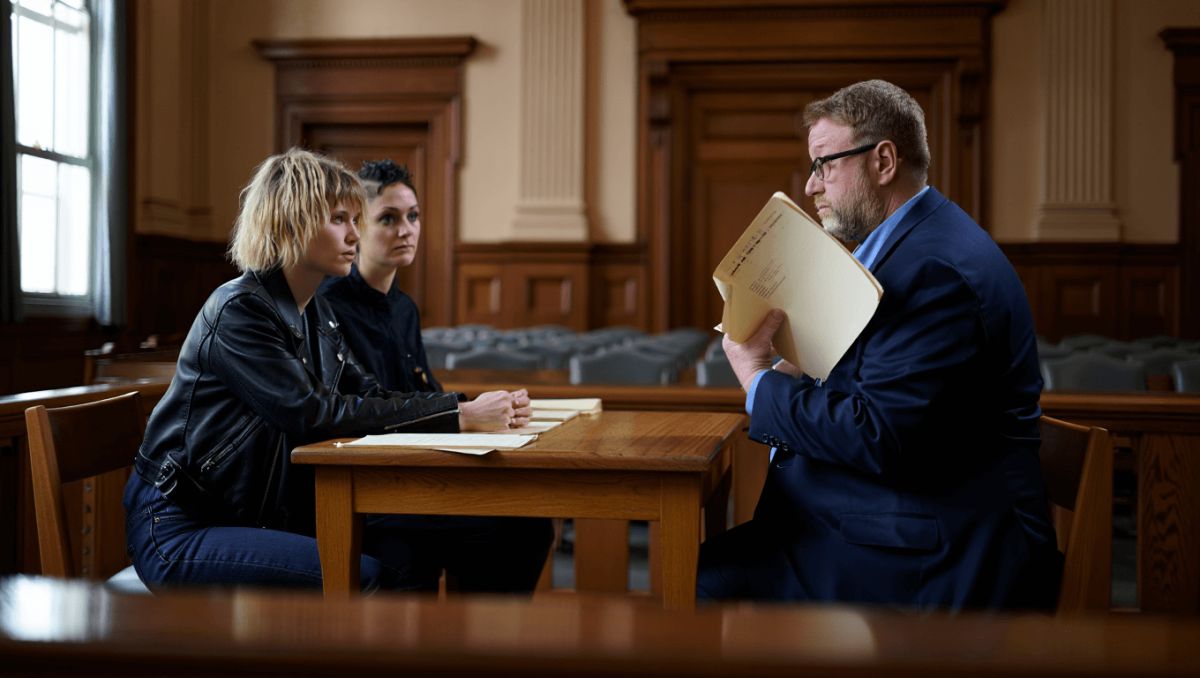
A Los Angeles photographer and the punk band Amyl & the Sniffers are locked in a courtroom dispute over who owns the rights to an image used in publicity and merchandise. The case raises familiar questions about copyright registration, fair use, and how visual art is licensed in the music business.
Allegations from the photographer: unauthorized use and damages
The photographer’s complaint claims that the band used a photograph without permission. The suit seeks monetary damages and an injunction to stop further use.
Nas slams music industry over disrespect: teases new music, vows to address it
1992 vocal performances: 3 jaw-dropping moments that still amaze
- Claims: Copyright infringement for use on album art, posters, and promotional items.
- Registration: The plaintiff states the image was timely registered with the U.S. Copyright Office.
- Relief sought: Statutory damages, profits attributable to the infringement, and a court order barring future use.
How the band is defending itself in court
The band’s legal team has responded by challenging the photographer’s account and raising several defenses. They dispute ownership and the scope of any license.
- License dispute: The band says it believed it had permission to use the photo.
- State of mind: They argue there was no willful misconduct.
- Fair use: Counsel may argue that the use was transformative or limited, though that defense is often complex.
Key legal issues judges will focus on
Copyright lawsuits hinge on a handful of technical questions. This case will likely turn on proof of ownership and the specifics of how the image was used.
- Registration timing: Whether the image was registered before the suit or within relevant deadlines.
- Access and copying: Whether the band had access and whether the use amounts to copying protected expression.
- License terms: If a prior agreement existed, what did it allow?
Possible outcomes and what each party risks
Results in copyright cases range from dismissal to large damage awards. Each side has exposure depending on the evidence.
- If the photographer prevails, remedies could include statutory damages and an injunction.
- If the band prevails, the photograph could remain in use and the band might avoid paying damages.
- Settlement is also likely; many disputes end with licensing deals or payments short of a full jury award.
Why this matter matters to musicians and visual creators
The suit spotlights the tricky overlap of music promotion and visual art licensing. Bands often rely on photographers for imagery, which creates risk when rights are unclear.
- Best practice: Always confirm written licenses before using images for commerce.
- Risk management: Register key photos and keep records of communications and permissions.
- Industry norms: Clear contracts protect both artists and photographers and avoid costly litigation.
What to watch next in the litigation
Upcoming motions and discovery will reveal more. Watch for early rulings on copyright registration and any filing that narrows the dispute.
- Motion to dismiss or for summary judgment could resolve factual issues.
- Depositions and document production will show whether a license existed.
- Settlement talks may intensify if discovery uncovers strong evidence for either side.
Legal precedent and broader copyright trends
Courts have issued varied rulings on visual works used by musicians. This case may reinforce how courts treat promotional use and the scope of implied licenses.
- Recent rulings stress the importance of written agreements.
- Transformative use is narrowly applied in many circuits.
- Statutory damages can be significant when registration is timely.










