
Show summary Hide summary
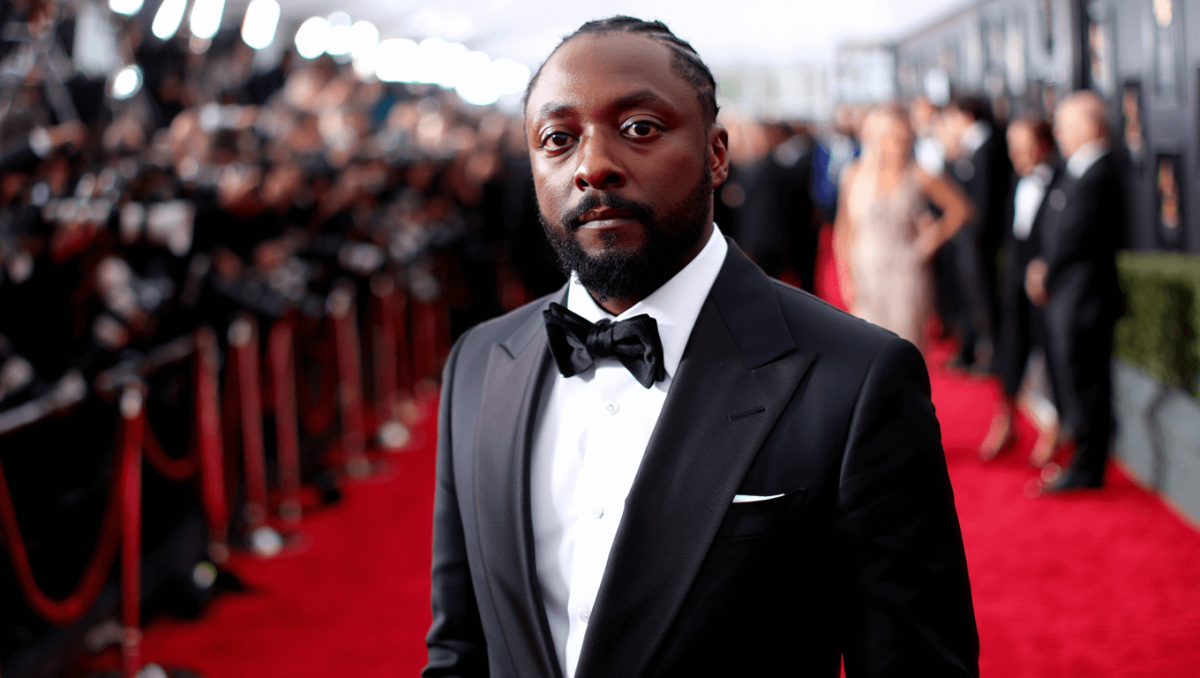
Will.i.am walked the 2026 Grammys red carpet with a clear reason: he wanted to experience a stars-only evening before robots became part of the scene. His presence felt like a small, deliberate protest and a nostalgic nod to human-only celebrity nights, delivered with the kind of tech-minded urgency that has marked his career.
Why Will.i.am chose to attend the 2026 Grammys
The musician-producer has long balanced artistry with a fascination for gadgets. This year, that interest translated into a public statement. He told reporters he thought the 2026 Grammys might be one of the last editions where the red carpet remained free of robotic guests.
Nas slams music industry over disrespect: teases new music, vows to address it
1992 vocal performances: 3 jaw-dropping moments that still amaze
For Will.i.am, attending was about more than a photo op. He described wanting to savor in-person human interactions. He also wanted to draw attention to how quickly automated technologies are encroaching on spaces once reserved for people.
Robots on the red carpet: a fast-approaching reality
Conversations about AI and robotics at entertainment events have moved from speculative to practical. Producers and brands are experimenting with humanoid robots, virtual avatars, and AI-generated personas.
- Brands are testing robot ambassadors at launch events.
- Producers discuss avatar presenters and deepfake performances.
- Security teams weigh how to manage nonhuman attendees.
Will.i.am’s comment tapped into those larger industry debates. He framed his attendance as a moment to witness celebrity culture before it shifted again.
How Will.i.am’s background connects music and technology
His career has not been limited to the stage. Will.i.am has invested in tech startups, explored wearable designs, and collaborated on connected devices. That history gives his red-carpet remarks extra weight.
Key tech moves in his career
- Early support for music-tech platforms and apps.
- Collaborations that mixed fashion with functionality.
- Public advocacy for STEM and creative tech education.
These efforts show a pattern: he engages with technology, but also considers its cultural and social consequences.
Industry reaction and what to expect at future award shows
Event organizers face new questions about inclusivity, spectacle, and authenticity. Will.i.am’s remark underscored a dilemma: embrace technological novelty or preserve human-centered ceremony.
- Some producers see robots as a way to innovate red carpets.
- Others worry about losing the lived experience that defines awards nights.
- Legal and logistical issues could shape whether robots become regular attendees.
Designers, PR teams, and security vendors are already discussing policies that would govern nonhuman guests.
What a robot presence would change on the carpet
The arrival of robots would alter visuals, flow, and media coverage. Photographers, interviewers, and audiences would need new approaches.
- Red carpet staging might require charging stations and maintenance zones.
- Interview formats would adapt to nonverbal or preprogrammed responses.
- Brands could use robotic ambassadors to create headline moments.
Will.i.am hinted that the novelty could be short-lived, suggesting a rapid normalization once robots start appearing regularly.
Balancing excitement with caution
Will.i.am’s stance mixes optimism about innovation with a plea to preserve human connection. His voice adds an influential perspective to ongoing debates.
Artists, technologists, and event planners will likely continue negotiating what red carpets should feel like. The decisions made now could shape public perception of both entertainment and technology for years to come.










