
Show summary Hide summary
- Why Megadeth tackled “Ride the Lightning” now
- Mustaine’s response to fan feedback
- What critics and listeners are saying
- Musical differences: how Megadeth made the song its own
- Streaming numbers and visibility online
- How this cover fits Megadeth’s catalog strategy
- Fan reactions in forums and comment sections
- What Mustaine hinted about future releases
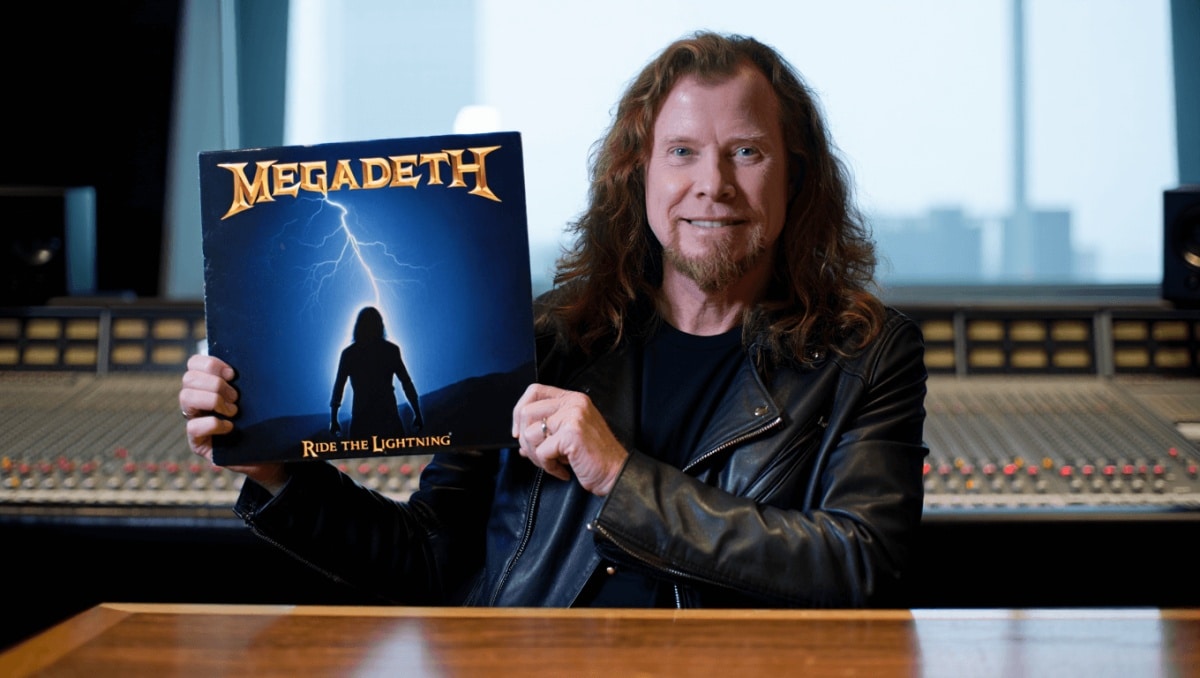
Dave Mustaine, Megadeth’s frontman, is drawing fresh attention after the band released its version of Metallica’s classic “Ride the Lightning.” The cover has sparked conversations across social media and music press, with Mustaine saying the reaction has been overwhelmingly positive.
Why Megadeth tackled “Ride the Lightning” now
Megadeth’s decision to reinterpret a Metallica staple surprised many fans. They timed the release to coincide with anniversary events and renewed interest in 1980s metal. The band wanted to put its stamp on a song that shaped thrash history.
Nas slams music industry over disrespect: teases new music, vows to address it
1992 vocal performances: 3 jaw-dropping moments that still amaze
- Artistic tribute to a seminal album.
- A chance to highlight Megadeth’s early roots.
- To engage both longtime followers and newer listeners.
Mustaine’s response to fan feedback
In interviews, Dave Mustaine said he’s been flooded with messages. He called much of the feedback “positive” and said it felt validating.
Mustaine emphasized gratitude for fans who compared the cover favorably to the original. He also noted that some responses came from listeners who appreciated Megadeth’s distinct approach.
What critics and listeners are saying
Reviews have been mixed but leaning warm. Some critics praised the performance and production. Others preferred Metallica’s original recording.
- Compliments on technical precision and tone.
- Comments about reinterpretation rather than replication.
- Debates about whether covers should stay faithful or reinvent.
Musical differences: how Megadeth made the song its own
Megadeth didn’t merely mimic the original arrangement. They adjusted tempos, guitar tones, and vocal delivery to fit their sound. Small shifts give the track a sharper, more modern edge.
Key stylistic changes
- Heavier guitar layering in the mix.
- More aggressive vocal phrasing.
- Updated production values and mastering.
Streaming numbers and visibility online
The cover boosted Megadeth’s streaming metrics. Plays increased across platforms and the song found placement on several editorial playlists. Social clips of the track generated trending conversations.
- Spike in streams on release day.
- Higher engagement on social channels.
- Renewed media coverage for both bands.
How this cover fits Megadeth’s catalog strategy
For Megadeth, the cover serves multiple purposes. It reconnects the band with its early influences. It also introduces classic material to a younger audience. The move aligns with a larger plan to bridge legacy and current projects.
The band views such covers as a way to honor influence while expanding reach.
Fan reactions in forums and comment sections
Online communities were quick to weigh in. Some fans celebrated the cover as a respectful homage. Others argued for the sanctity of the original.
- Supportive threads praising musicianship.
- Comparisons between versions.
- Calls for more covers or re-recordings.
What Mustaine hinted about future releases
Mustaine left open the idea of more reinterpretations. He suggested the band might explore other songs that influenced them. He framed the covers as part of a creative conversation with fans and peers.










