
Show summary Hide summary
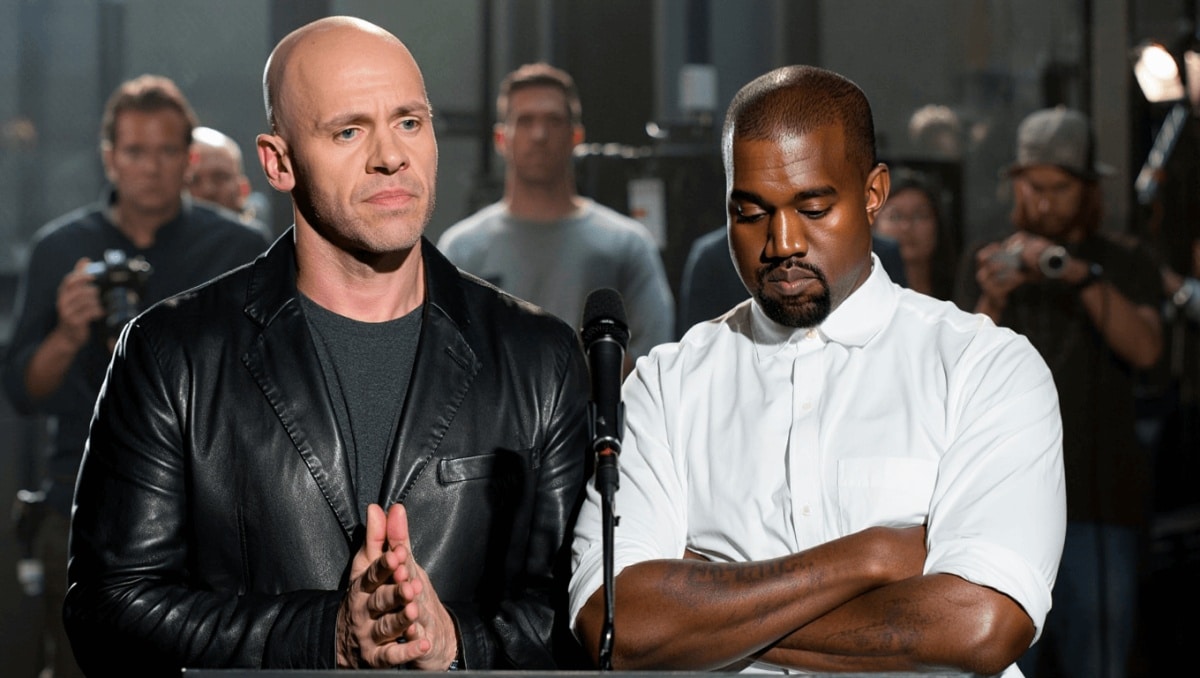
David Draiman, lead singer of Disturbed, publicly reacted after Kanye West issued an apology for past anti-Semitic remarks. Draiman acknowledged the apology and went further, offering to appear with West at so-called “unity events.” The unexpected overture has sparked discussion across music circles and social media.
What Draiman said and why it matters
Draiman’s response arrived on social media and through interviews with music outlets. He framed his message around accountability and healing. Rather than simply accepting an apology, he proposed tangible steps toward reconciliation.
Nas slams music industry over disrespect: teases new music, vows to address it
1992 vocal performances: 3 jaw-dropping moments that still amaze
He offered to attend public unity events with Kanye West, signaling a willingness to test whether words can turn into constructive action. Draiman’s stance blends skepticism with cautious openness.
How the offer was framed
- Emphasis on public accountability over private forgiveness.
- Support for community-led dialogue and educational events.
- An apparent desire to involve affected groups in any reconciliation process.
Background: the apology and the controversy
Kanye West faced intense backlash after making comments widely condemned as anti-Semitic. The remarks led to lost partnerships and public criticism from peers.
In response to the fallout, Kanye issued what he described as an apology. Reactions to that apology have been mixed. Many found it incomplete. Others saw it as a first step toward repair.
How artists and fans are reacting
The music community has split between cautious optimism and outright rejection. Some artists praise attempts at reconciliation. Others demand more than words.
- Supporters of Draiman applaud his move to demand public action.
- Critics argue that an apology must be backed by sustained effort.
- Fans are debating whether unity events can genuinely address systemic harm.
Social media has amplified every statement. Threads and comment sections quickly filled with calls for clarity on what a unity event would entail.
What a “unity event” could look like
That phrase covers many formats. Organizers could aim for forums that combine education, testimony, and restorative practice.
- Panel discussions with community leaders and experts.
- Public dialogues that include victims and marginalized voices.
- Educational sessions about anti-Semitism and bias.
- Musical performances paired with moderated conversation.
Key to any such event would be transparency. Who leads the conversation and who vets the agenda matters.
Possible pitfalls and demands from critics
Critics warn that staged events can appear performative. They urge measurable commitments instead.
- Concrete timelines for reparative actions.
- Independent oversight to verify follow-through.
- Prioritizing voices of those harmed by the original remarks.
Many insist that apologies must meet clear standards to restore trust in public figures.
What this means for the entertainment industry
The episode highlights a growing expectation that artists answer for their words. Brands, venues, and collaborators now weigh reputational risk more carefully.
Offers like Draiman’s may set a precedent. They show how peers can push for public remediation rather than private absolution.
Next steps and what to watch for
Observers will monitor whether any unity events are scheduled and who participates. The structure and leadership of those gatherings will shape public judgment.
- Will affected communities be central to planning?
- Will there be follow-up measures and reporting?
- How will the media cover these efforts?
The answers will determine whether the conversation moves beyond headlines to real change.










